

Non-Toxic Cleaning: What Actually Needs to Be Clean and What Doesn't

Non-toxic cleaning is mostly subtraction. Ordinary surfaces need soap and water, not disinfectant; disinfectant belongs on the few surfaces where raw meat, illness or bathroom contamination is involved. Removing the unnecessary products does more for your indoor air than switching brands.
Cleaning and disinfecting are different jobs
Cleaning physically removes soil and most microbes with surfactant and friction. Disinfecting kills what remains and is only necessary when there is a real pathogen risk. Most homes disinfect everything and clean almost nothing, which is backwards.
Routine disinfectant use also drives the indoor air quality problems people blame on other things — volatile compounds from quaternary ammonium and chlorine products build up in closed rooms.
- Counters, floors, tables: soap and water is sufficient
- Raw meat prep areas: disinfect
- Bathroom surfaces during illness in the household: disinfect
- Everything else: clean, ventilate, move on
The fragrance problem is the actual air quality problem
Scented cleaners, plug-ins and dryer sheets are the largest deliberate source of volatile organic compounds in most homes. "Fresh linen" is a compound blend, and the terpenes in it react with indoor ozone to form secondary pollutants including formaldehyde.
Unscented is the single highest-impact change available in the cleaning aisle, and it is usually cheaper.
Produce washing: worth it, but not how most people do it
Rinsing produce under running water with light friction removes the majority of surface residue and soil. A dedicated fruit-and-vegetable rinse improves removal of waxes and lipophilic residues that plain water leaves behind, particularly on waxed apples, cucumbers and peppers.
Soap intended for dishes is not appropriate for produce — it is not formulated to be ingested and leaves residue of its own.
Laundry is where the residue lives
Detergent, softener and dryer sheets leave a coating that sits against your skin for hours a day, which makes laundry the highest-exposure cleaning product in the house.
A concentrated, unscented detergent used at the correct dose, with fabric softener dropped entirely, removes most of that exposure. Softener also degrades towel absorbency and moisture-wicking athletic fabric, so this one is a free win.
The concentrated, fragrance-free basics: a produce rinse, a laundry concentrate, and a daily beverage that replaces bottled drinks.
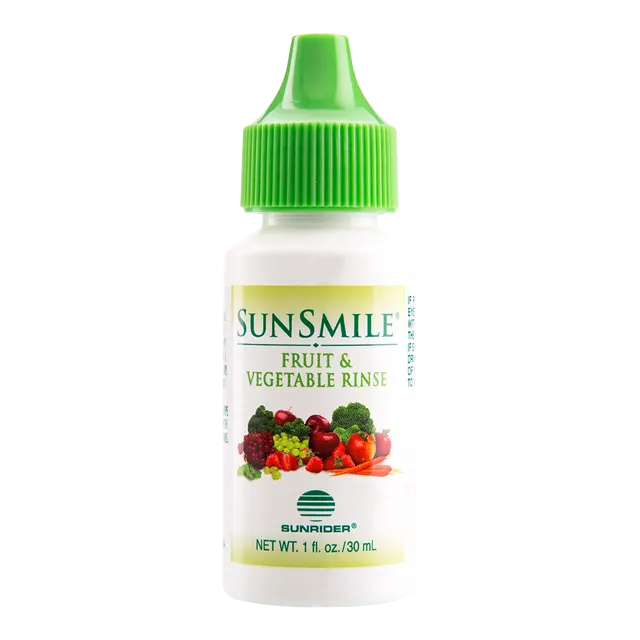
SunSmile® Fruit & Vegetable Rinse
$9.00Buy now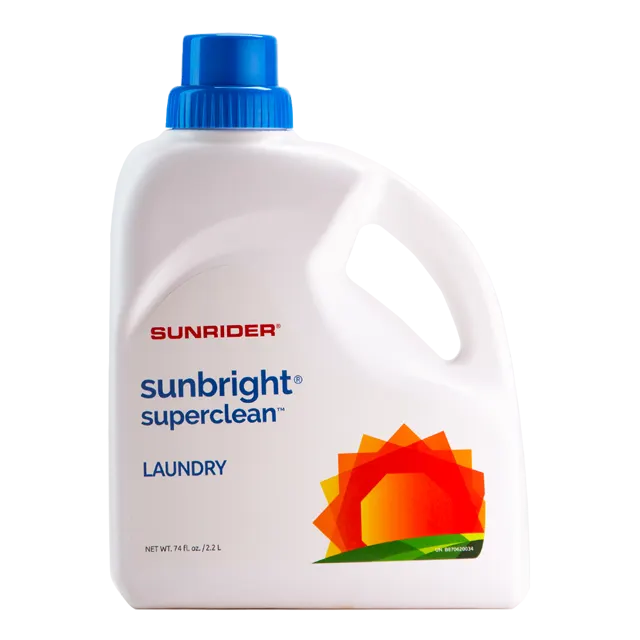
SunBright® SuperClean™ Laundry
$84.78Buy now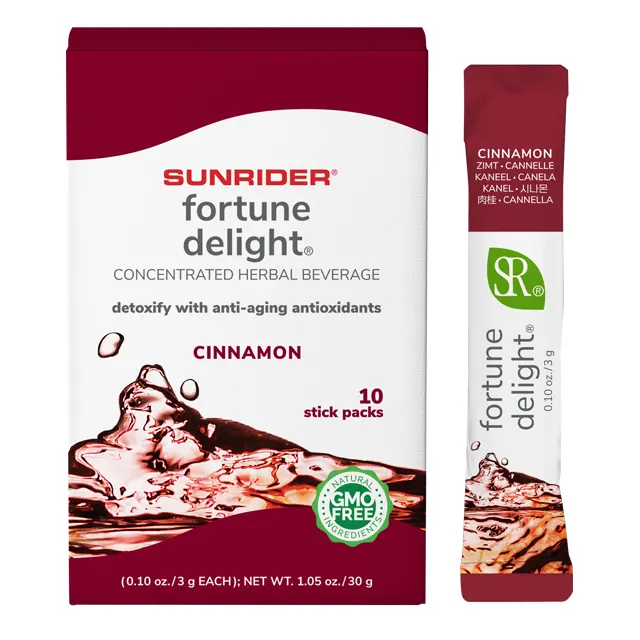
Fortune Delight®
$14.88Buy now
Frequently asked
- What are the safest cleaning products for a home?
- Unscented concentrated soap-based cleaners for general surfaces, a dedicated disinfectant reserved for raw meat areas and bathrooms during illness, and an unscented concentrated laundry detergent. Fragrance-free matters more than the brand.
- Do I need to disinfect my kitchen counters daily?
- No. Soap, water and friction handle ordinary kitchen soil. Reserve disinfectant for surfaces that contacted raw meat or that are involved in an active illness in the household.
- Is washing fruit and vegetables with a rinse better than water?
- For waxed or oily-surfaced produce, yes — a produce rinse removes lipophilic residues that water alone leaves. For berries and leafy greens, running water with agitation is close to as effective.
- Are natural cleaning products less effective?
- For cleaning, no — surfactants are surfactants. For disinfection, plant-based products vary widely, which is another reason to reserve disinfection for the few surfaces that need it.
Put it into practice
Browse whole-food herbal nutrition, clean beauty, and non-toxic home essentials — or explore building a wellness business of your own.
Keep reading
Ready to order?
Every product mentioned ships direct from Sunrider at official pricing with the manufacturer guarantee.
SunSmile® Fruit & Vegetable Rinse — $9.00 · SKU 6005134 · in stock, ships from Sunrider