
Sunrider Independent Business Owner

Spirulina: What It Does, How Much to Take, What to Buy

The original superfood, minus the marketing — dosage, formats, quality signals and the concentrated version we actually use.

The short answer

What is spirulina and what does it do?

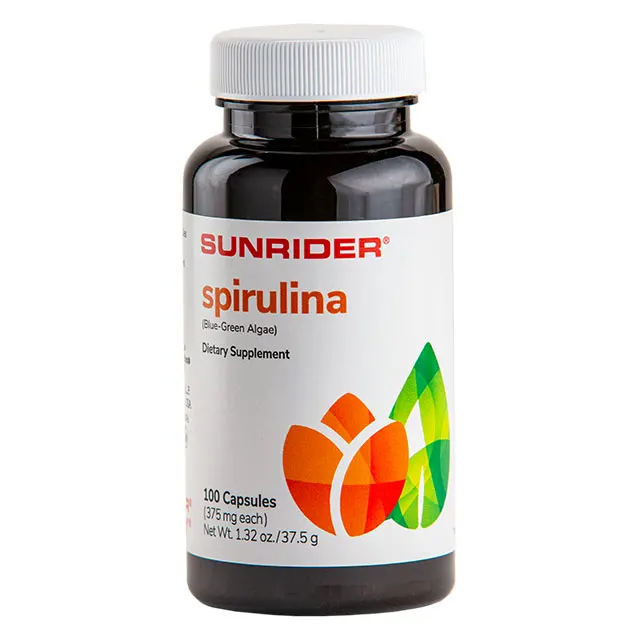
Spirulina is a blue-green algae eaten as a whole food rather than an isolated supplement: gram for gram it carries complete plant protein, omega-3 fatty acids, B vitamins, iron and the blue-green pigments phycocyanin and chlorophyll. Most people take one to three grams a day, either as tablets with water or as powder blended into a shake, and take it earlier in the day because many find it energising. Quality varies enormously between brands because algae concentrates whatever is in its growing water, so the important questions are where it was grown, who tested it, and whether the maker controls its own production. Sunrider's Spirulina is a super-concentrated formula produced through Sunrider's own owned facilities and sold direct at official pricing.

  • Complete plant protein, omega-3s, B vitamins, iron
  • Typical serving: 1–3 g daily, earlier in the day
  • Quality depends on growing water and testing control
  • Sunrider Spirulina — $39.07, SKU 2806134
Quick answers

What does spirulina do for the body?

It supplies complete plant protein, iron, B vitamins and antioxidant pigments in a food form the body recognises. People typically take it for steady daily energy, for filling gaps in a plant-leaning diet, and as a dense green food when vegetables are hard to fit in.
How much spirulina should I take a day?

One to three grams daily is the common range, taken with water or blended into a shake. Start at the low end for a week — the deep green colour and taste take adjusting to — and take it earlier in the day rather than at night.

Spirulina tablets or spirulina powder?

Tablets are convenient, portable and taste-free; powder is cheaper per gram and blends into shakes, but the flavour is assertive. The nutrition is the same, so pick whichever you will take consistently.

Is all spirulina the same quality?

No. Algae takes up what is in its water, so growing conditions and testing matter more than the label. Prefer producers that control their own growing, extraction and testing rather than buying bulk powder on the open market.

Who should not take spirulina?

Anyone with phenylketonuria, an autoimmune condition, or who is pregnant, nursing or on medication should check with their own clinician first. Spirulina is a food, but it is a concentrated one.

How to take spirulina

  1. 1

    Start at one gram

    Take the smallest serving for the first week with a full glass of water and see how you respond.

  2. 2

    Take it earlier in the day

    Most people find spirulina energising, so morning or midday beats evening.

  3. 3

    Pair it with food or a shake

    Blending powder into a fruit shake hides the flavour; tablets go down easiest with a meal.

  4. 4

    Judge it after four weeks

    Whole-food nutrition accumulates. Give it a month of consistent daily use before deciding.

Whole-food green nutrition

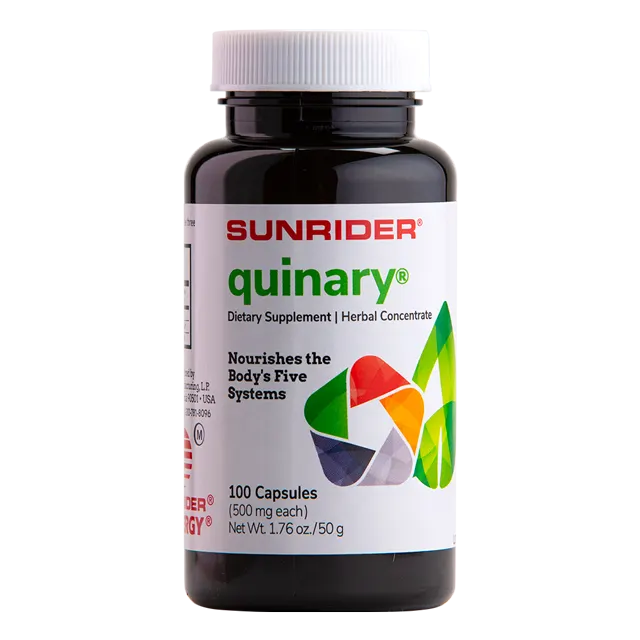
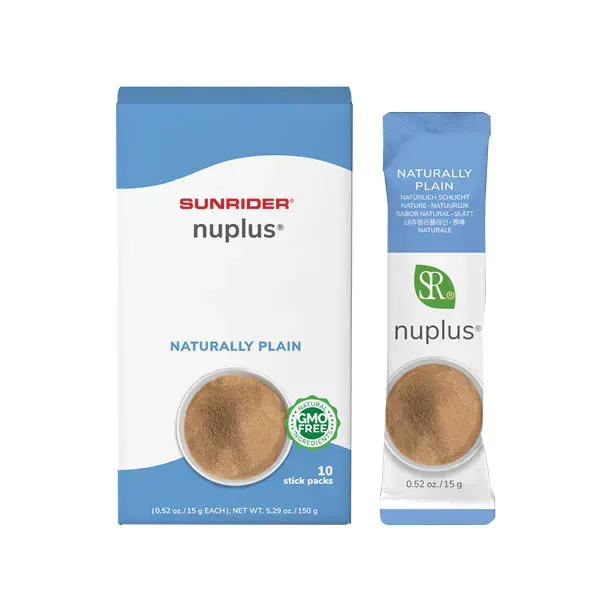
Spirulina pairs naturally with NuPlus and Quinary for a whole-food base.

Browse the full catalog

Buy Sunrider Spirulina direct

Super-concentrated, produced in Sunrider's own facilities, shipped from their warehouse at official pricing.

Spirulina$39.07 · SKU 2806134 · in stock, ships from Sunrider