
Protein on GLP-1 Medication: How to Protect Muscle While Losing Weight
Should you eat protein before or after your injection?
On GLP-1 medication, aim for 0.7–1.0 g of protein per pound of goal body weight per day and add resistance training twice a week. Trials of GLP-1 weight loss consistently show that 25–40% of the weight lost is lean mass when protein and training are not deliberately protected — a much higher share than most people expect. The practical difficulty is appetite: eating 120–150 g of protein is hard when you are full after half a meal. The workable strategy is protein-first meals, smaller and more frequent eating windows, and one or two liquid protein servings a day, since shakes bypass the fullness that solid food creates.
- Target 0.7–1.0 g protein per lb of goal body weight
- Up to 25–40% of GLP-1 weight loss can be lean mass
- Resistance training twice a week is the strongest protector
- Eat protein first, before carbohydrates and fats
- Liquid protein is easier to tolerate when appetite is suppressed
How much protein should you eat on GLP-1 medication?
Roughly 0.7–1.0 g per pound of goal body weight daily — commonly 100–150 g. The target is based on goal weight rather than current weight so it stays stable as you lose.
Does GLP-1 medication cause muscle loss?
It can. Trials show 25–40% of lost weight coming from lean mass when protein intake and resistance training are not deliberately maintained. That share drops substantially when both are addressed.
How do you eat enough protein when you have no appetite?
Protein first at every meal, smaller meals more often, and one or two protein shakes. Liquids empty from the stomach faster than solids, so they are usually tolerated when a plate of food is not.
What else is commonly under-eaten on GLP-1 medication?
Fiber, fluids, and micronutrients. Total intake falls across the board, so a smaller plate needs to be denser: vegetables, whole-food concentrates and adequate water become more important, not less.
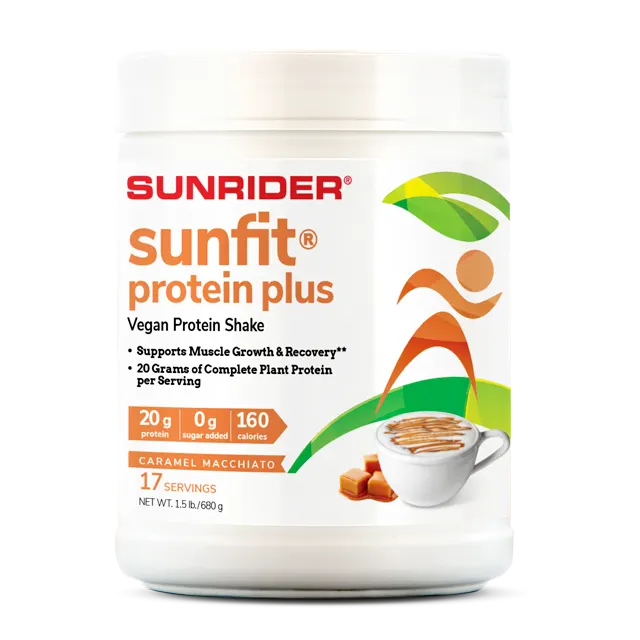
When you can only eat a little, density matters. These are the whole-food protein and concentrate formulas that make a small meal count.
Browse the full catalog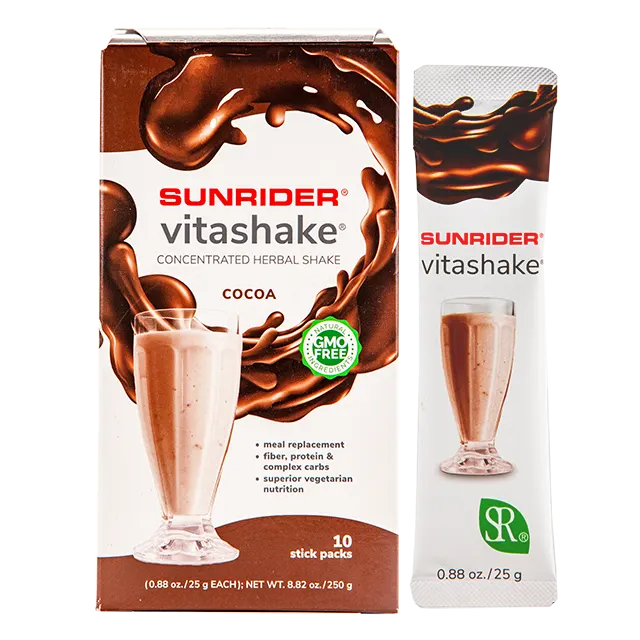
GLP-1 medications solve the appetite problem so effectively that they create a nutrition problem: it becomes very easy to lose weight and muscle at the same time. This is the part of the plan most people are not given.
Why lean mass is at risk
Any rapid weight loss costs some lean mass. What makes GLP-1 medication distinct is the speed and the depth of appetite suppression, which pushes both protein intake and total energy down at once.
Muscle is metabolically expensive tissue. When intake falls and there is no mechanical reason to keep it, the body lets it go — and lean mass lost during weight loss is not automatically regained afterward.
Setting your protein number
Use goal body weight rather than current weight so the number does not shrink as you lose. Multiply goal weight in pounds by 0.7 to 1.0 to get daily grams.
Split the total into three or four servings of 25–40 g. Distribution matters more than usual here, because total intake is low.
| Goal weight | Daily protein | Per meal (4 meals) |
|---|---|---|
| 140 lb | 100–140 g | 25–35 g |
| 165 lb | 115–165 g | 30–40 g |
| 190 lb | 135–190 g | 35–45 g |
Practical ways to hit the number
Eat the protein portion of every meal first, while you still have appetite. Whatever gets left on the plate should be the part that matters least.
Liquids are the reliable workaround. A shake delivers 25–40 g without the volume of solid food, and it empties from the stomach faster, which matters when gastric emptying is already slowed.
- Protein first, every meal, before carbohydrates
- Four smaller meals instead of three larger ones
- One or two protein shakes daily
- Keep ready protein on hand for low-appetite days
Resistance training is not optional here
Two full-body resistance sessions a week is the minimum effective dose for signaling that muscle should be kept. It does more to preserve lean mass than any dietary tweak short of protein itself.
Sessions can be short. Twenty to thirty minutes of compound movements, twice a week, is enough to change the composition of the weight you lose.
Beyond protein: fiber, fluid and micronutrients
Eating less of everything means eating less fiber, less water from food, and fewer micronutrients. Constipation and fatigue on GLP-1 medication are frequently nutrition problems rather than drug side effects.
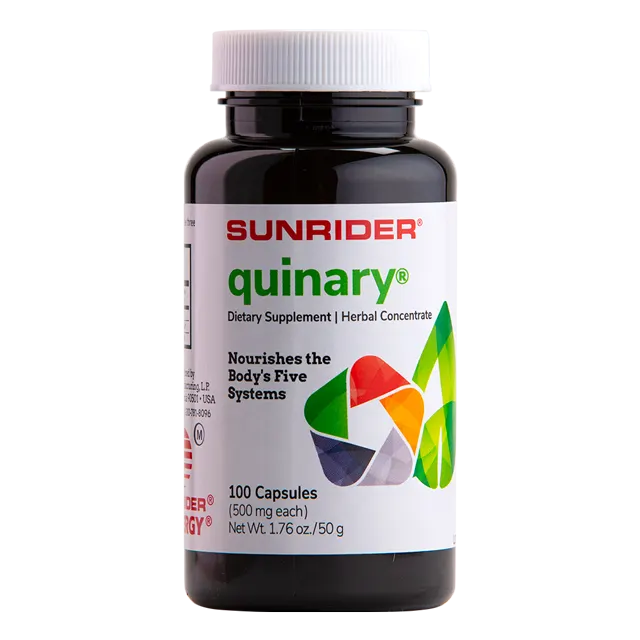
Concentrated whole-food formulas are useful here precisely because the plate is small: they raise nutrient density without raising volume.
When you can only eat a little, density matters. These are the whole-food protein and concentrate formulas that make a small meal count.
Browse the full catalogFrequently asked
- Should you eat protein before or after your injection?
- Timing relative to the injection does not matter. Daily consistency does. Many people find appetite is lowest in the first two days after a dose, so plan shakes then.
- Can you build muscle while on GLP-1 medication?
- Preserving muscle is the realistic goal during active weight loss. Building is possible for beginners, but requires hitting protein targets and training consistently.
- Are protein shakes safe on GLP-1 medication?
- For most people, yes, and they are often better tolerated than solid food. Choose a formula that digests easily and discuss any medical conditions with your clinician.
Put it into practice
Browse whole-food herbal nutrition, clean beauty, and non-toxic home essentials from Sunrider's own farms and labs.
Keep reading
Natural GLP-1 Support: What Food and Fiber Actually Do for Appetite Hormones
NutritionHow Much Protein Should You Eat a Day? A Practical Guide by Body Weight and Goal
NutritionThe Best Protein Powder for Muscle Gain: How to Choose Without the Marketing
NutritionMeal Replacement Shakes: What to Look For and When They Actually Help
Ready to order?
Everything here ships direct from Sunrider at official pricing, with the manufacturer guarantee — no marketplace reseller in between.
SunFit® Protein Plus | Pea & Rice Protein — $76.74 · SKU 0154134 · in stock, ships from Sunrider