
Natural GLP-1 Support: What Food and Fiber Actually Do for Appetite Hormones
How quickly do food changes affect appetite?
GLP-1 is a gut hormone released after eating that slows stomach emptying, signals fullness, and improves blood-sugar control. You can raise your own GLP-1 release naturally: protein and soluble fiber are the strongest food triggers, fermented foods and resistant starch feed the short-chain-fatty-acid pathway that stimulates release, and eating protein and vegetables before carbohydrates blunts the glucose spike. These effects are real but modest — natural approaches typically produce a fraction of the appetite suppression that GLP-1 medications do. They are best understood as a foundation, whether or not someone is taking medication.
- GLP-1 slows gastric emptying and signals satiety
- Protein and soluble fiber are the strongest natural triggers
- Fermented foods and resistant starch support the SCFA pathway
- Eating protein and vegetables first blunts glucose spikes
- Natural effects are real but far smaller than medication
What foods naturally increase GLP-1?
High-protein foods, soluble fiber such as oats, beans, chia and psyllium, healthy fats like olive oil and avocado, fermented foods, and resistant starch from cooled potatoes or rice. Protein plus soluble fiber in the same meal produces the largest response.
Can natural methods replace GLP-1 medication?
No. Diet and fiber raise your own GLP-1 by a modest amount for a short window after eating. Medications hold receptor activation far higher for far longer. Food strategies complement medication; they do not substitute for it.
Does fiber really help with appetite?
Soluble fiber slows gastric emptying directly and ferments into short-chain fatty acids that stimulate GLP-1 release hours later. It is the most reliable non-protein lever most people are not using.
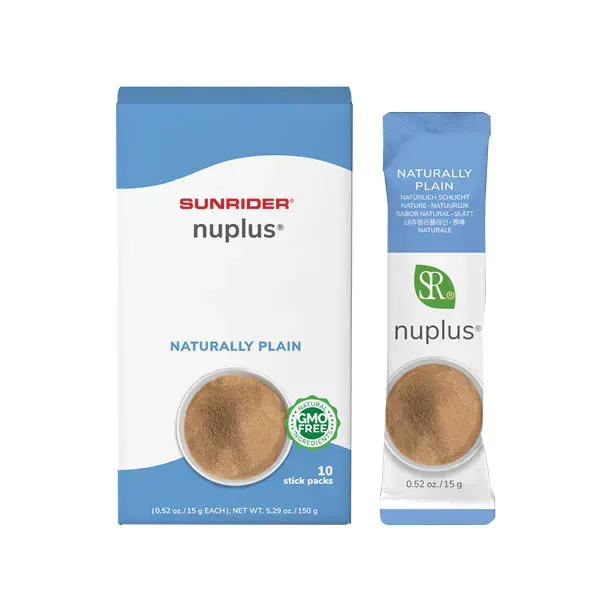
Whole-food concentrates make a protein-and-fiber-first meal genuinely easy. These are the formulas we reach for when appetite and blood sugar are the goal.
Browse the full catalog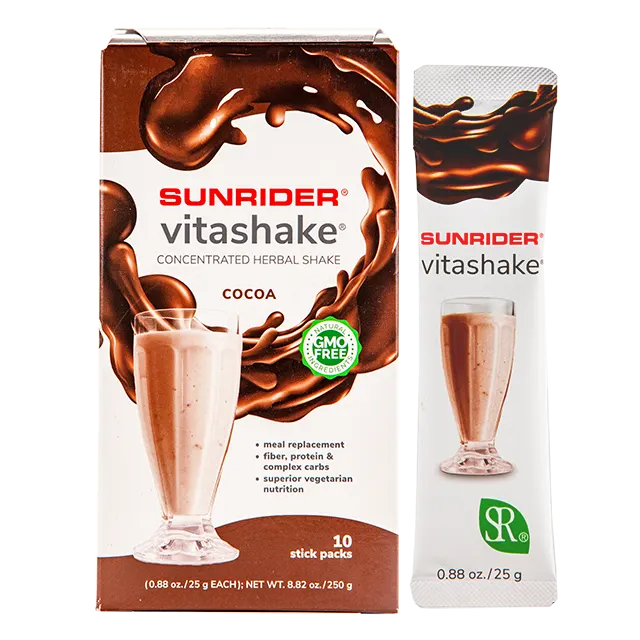
GLP-1 went from an obscure gut peptide to a household term in about three years. The medication conversation is loud; the food conversation underneath it is quieter and worth having on its own terms.
What GLP-1 does
GLP-1 (glucagon-like peptide-1) is released by cells in the small intestine when food arrives. It slows how quickly the stomach empties, prompts insulin release in proportion to the meal, and signals satiety to the brain.
Its natural half-life is only a couple of minutes, which is why medications are engineered to resist breakdown. Your own GLP-1 works in short pulses tied to meals.
The foods with the strongest evidence
Protein is the most reliable trigger: a 25–40 g protein meal produces a clear GLP-1 response and reduces intake at the next meal.
Soluble fiber acts twice — mechanically, by thickening the meal and slowing gastric emptying, and metabolically, by fermenting in the colon into short-chain fatty acids that stimulate further GLP-1 release hours later.
- Protein: 25–40 g per meal
- Soluble fiber: oats, beans, lentils, chia, psyllium
- Healthy fats: olive oil, avocado, nuts
- Fermented foods: yogurt, kefir, kimchi, miso
- Resistant starch: cooled potatoes, rice, green bananas
Why fiber does double duty
Most adults eat roughly half the fiber they should. Raising soluble fiber intake changes both the speed of digestion and the microbial signaling that follows it, which is why fiber shows up in almost every credible appetite study.
Increase it gradually and with water. Going from 12 g to 35 g overnight is uncomfortable and unnecessary.
Meal sequencing: a free lever
Eating protein and non-starchy vegetables before the carbohydrate portion of a meal consistently lowers the post-meal glucose spike and raises GLP-1 response, without changing what is on the plate.
It costs nothing, requires no product, and is one of the few interventions that works on the first day you try it.
An honest comparison with medication
Food-based approaches raise your own GLP-1 modestly and briefly. Medications sustain receptor activation at levels food cannot reach, which is why their appetite effect is categorically larger.
The useful framing is not either-or. People on medication still need protein, fiber and micronutrients — arguably more, because total intake falls. People not on medication get real, if smaller, benefits from the same habits.
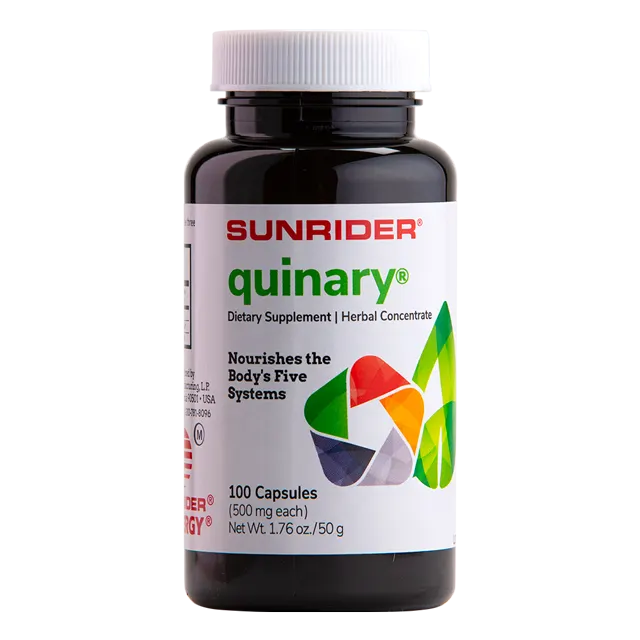
Whole-food concentrates make a protein-and-fiber-first meal genuinely easy. These are the formulas we reach for when appetite and blood sugar are the goal.
Browse the full catalogFrequently asked
- How quickly do food changes affect appetite?
- The meal-sequencing and protein effects show up immediately. Fiber and microbiome-driven changes build over two to four weeks.
- Do supplements boost GLP-1?
- Evidence is thin for most. Soluble fiber supplements such as psyllium have the best support, largely because they are fiber.
- Is berberine a natural GLP-1 drug?
- No. Berberine affects glucose metabolism through different pathways and is not comparable to GLP-1 medication despite the marketing.
Put it into practice
Browse whole-food herbal nutrition, clean beauty, and non-toxic home essentials from Sunrider's own farms and labs.
Keep reading
Protein on GLP-1 Medication: How to Protect Muscle While Losing Weight
NutritionHow Much Protein Should You Eat a Day? A Practical Guide by Body Weight and Goal
NutritionWhole-Food Nutrition vs Synthetic Supplements: Why the Form Matters
NutritionMeal Replacement Shakes: What to Look For and When They Actually Help
Ready to order?
Everything here ships direct from Sunrider at official pricing, with the manufacturer guarantee — no marketplace reseller in between.
NuPlus® — $32.64 · SKU 0186734 · temporarily out of stock