
How Much Protein Should You Eat a Day? A Practical Guide by Body Weight and Goal
How much protein should I eat a day to build muscle?
Most healthy adults do well on 0.7–1.0 grams of protein per pound of body weight per day (1.6–2.2 g/kg) when the goal is building or preserving muscle. Sedentary adults need less — around 0.36 g/lb (0.8 g/kg) is the minimum to avoid deficiency, not the optimum. Adults over 60 and people in a calorie deficit should sit at the upper end, near 1.0 g/lb, because protein needs rise when total energy or anabolic sensitivity falls. Spreading intake across three or four meals of 25–40 g each is more effective for muscle protein synthesis than eating the same total in one sitting.
- Minimum to avoid deficiency: 0.36 g per lb of body weight (0.8 g/kg)
- Building or keeping muscle: 0.7–1.0 g per lb (1.6–2.2 g/kg)
- Over 60, or dieting: aim near the top of that range
- 25–40 g per meal, 3–4 times a day, beats one large dose
- Whole-food and plant protein counts fully toward the total
How many grams of protein do I need per day?
For building or preserving muscle, 0.7–1.0 grams per pound of body weight daily (1.6–2.2 g/kg). The 0.36 g/lb RDA is a deficiency floor, not an optimum.
Is it better to spread protein across meals?
Yes. Three to four meals of 25–40 grams stimulate muscle protein synthesis more effectively than the same total eaten in one sitting.
Can you get enough protein without meat?
Yes, with slightly higher totals and variety across legumes, soy, grains and a quality plant protein powder to cover the gap.
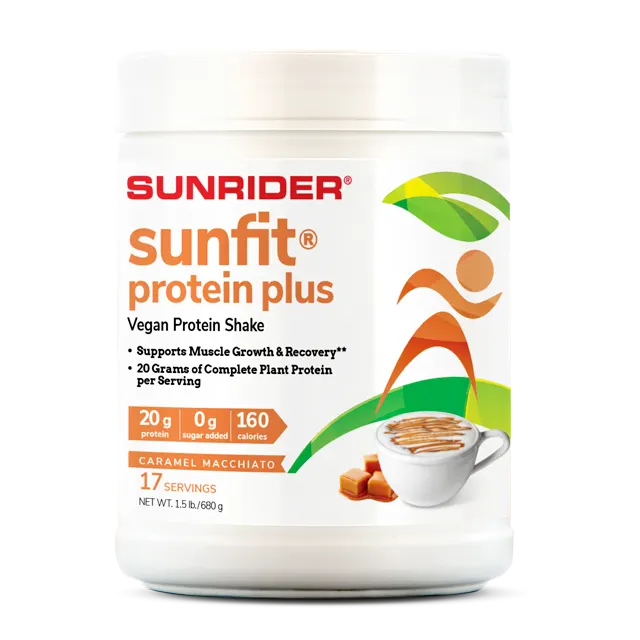
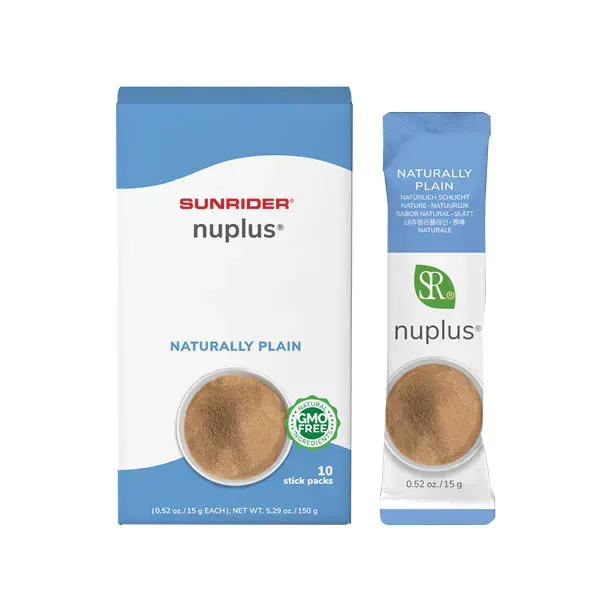
Hitting your number is a logistics problem. These whole-food protein and shake formulas close the daily gap without a second thought.
Browse the full catalog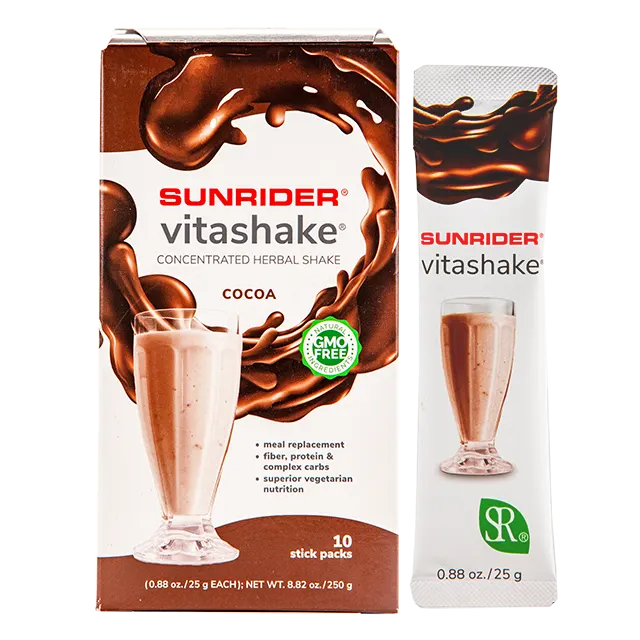
Protein is the one macronutrient almost everyone under-eats and over-thinks. The good news is that the research has converged on a fairly narrow range, and once you know your number, hitting it is a logistics problem rather than a nutrition problem.
Start with your body weight, then adjust for your goal
The government RDA of 0.8 g/kg (about 0.36 g per pound) is a floor designed to prevent deficiency in a sedentary adult. It was never meant to describe the intake that produces the best body composition, recovery, or satiety.
Research on resistance-trained adults consistently lands between 1.6 and 2.2 g/kg — roughly 0.7 to 1.0 g per pound. Above that, the extra protein is not harmful for healthy kidneys, but it stops adding measurable benefit.
| Body weight | Sedentary floor | Active / muscle-building | Dieting or 60+ |
|---|---|---|---|
| 130 lb (59 kg) | 47 g | 91–130 g | 130 g |
| 160 lb (73 kg) | 58 g | 112–160 g | 160 g |
| 190 lb (86 kg) | 68 g | 133–190 g | 190 g |
| 220 lb (100 kg) | 79 g | 154–220 g | 220 g |
Distribution matters as much as the total
Muscle protein synthesis responds to a dose, not a daily sum. A meal containing roughly 25–40 g of protein with a good leucine content maximally stimulates that response for a few hours; more protein in the same sitting is largely oxidized or used elsewhere.
Practically, this means three or four protein-anchored meals beat a bagel breakfast, a salad lunch, and a giant steak dinner — even if both add up to the same 150 g.
- Breakfast is the meal most people under-protein by 20–30 g
- A shake is the easiest fix for breakfast and post-workout
- Older adults need a slightly larger per-meal dose to hit the same response
Plant protein counts — with one adjustment
Plant proteins are typically slightly lower in leucine and less digestible than dairy or egg, so a reasonable rule is to add about 10–20% to your target if the majority of your protein is plant-based, and to vary sources across the day so amino acids complement each other.
That is a modest adjustment, not a disqualification. Long-term studies find no meaningful difference in lean mass gain between plant- and animal-based diets once total protein is matched.
Where whole-food formulas fit
Isolated protein powders hit a big number per scoop because everything else in the plant has been stripped away. Whole-food concentrates take the opposite approach — less protein per scoop, but the fiber, fats and phytonutrients travel with it, which is why many people digest them more comfortably.
If protein powder has historically made you bloated, the fix is usually not less protein. It is a less-processed protein plus a shorter ingredient list.
How to hit your protein target in a week
- 1
Calculate your number
Multiply your body weight in pounds by 0.8 for a solid all-purpose target.
- 2
Divide by four
That is your per-meal target. For a 160 lb adult, that's roughly 32 g four times a day.
- 3
Fix breakfast first
Add a whole-food protein shake or a savory protein breakfast; this alone usually closes half the gap.
- 4
Anchor every meal
Choose the protein before you choose the rest of the plate.
- 5
Track for five days only
Long enough to calibrate your eye, short enough that you will actually do it.
Hitting your number is a logistics problem. These whole-food protein and shake formulas close the daily gap without a second thought.
Browse the full catalogFrequently asked
- How much protein should I eat a day to build muscle?
- Aim for 0.7–1.0 grams per pound of body weight per day (1.6–2.2 g/kg), split across three or four meals of 25–40 g each, alongside progressive resistance training.
- Is too much protein bad for your kidneys?
- In people with healthy kidneys, higher protein intakes up to roughly 2.2 g/kg have not been shown to cause kidney damage. People with existing kidney disease should follow medical guidance.
- Can I get enough protein on a plant-based diet?
- Yes. Hit the same gram target, add roughly 10–20% to account for lower digestibility and leucine content, and vary your sources across legumes, soy, grains and whole-food protein blends.
- Do I need a protein shake?
- No, but a shake is the most reliable way to close a 30 g gap at breakfast or after training without cooking. Whole-food-based formulas tend to digest more comfortably than isolates.
Put it into practice
Browse whole-food herbal nutrition, clean beauty, and non-toxic home essentials from Sunrider's own farms and labs.
Keep reading
Ready to order?
Everything here ships direct from Sunrider at official pricing, with the manufacturer guarantee — no marketplace reseller in between.
SunFit® Protein Plus | Pea & Rice Protein — $76.74 · SKU 0154134 · in stock, ships from Sunrider