

Plant-Based Protein vs Whey: Which Actually Works Better?
Is plant protein as good as whey for building muscle?
For muscle growth, plant protein and whey produce comparable results when total daily protein is matched, though whey is modestly more leucine-dense per gram so plant users should eat slightly larger servings. Whey is faster-absorbing and cheaper per gram of protein; plant protein is dairy-free, generally better tolerated by people with lactose sensitivity, lower in environmental impact, and — in whole-food rather than isolate form — comes with fiber and phytonutrients. The most common cause of bloating attributed to either type is not the protein but the gums, sweeteners and flavorings added to make isolates palatable.
- Matched total protein produces comparable muscle outcomes
- Whey is ~10–15% more leucine-dense per gram
- Plant protein is dairy-free and typically easier for lactose-sensitive people
- Additives, not protein source, cause most reported bloating
- Whole-food concentrates trade protein density for digestibility
Is plant protein as good as whey?
For muscle growth, yes, provided total daily protein is equal and the plant source covers essential amino acids. Whey digests faster; over a full day that difference is minor.
Which plant protein is closest to whey?
A pea-and-rice blend, which pairs rice's methionine with pea's lysine to produce a complete amino acid profile.
If you are switching away from whey, these are the plant and whole-food protein options we recommend.
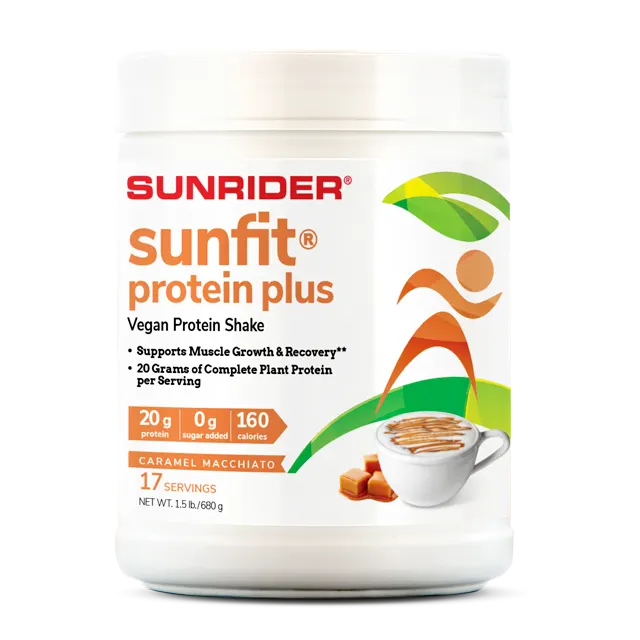
SunFit® Protein Plus | Pea & Rice Protein
$76.74Buy now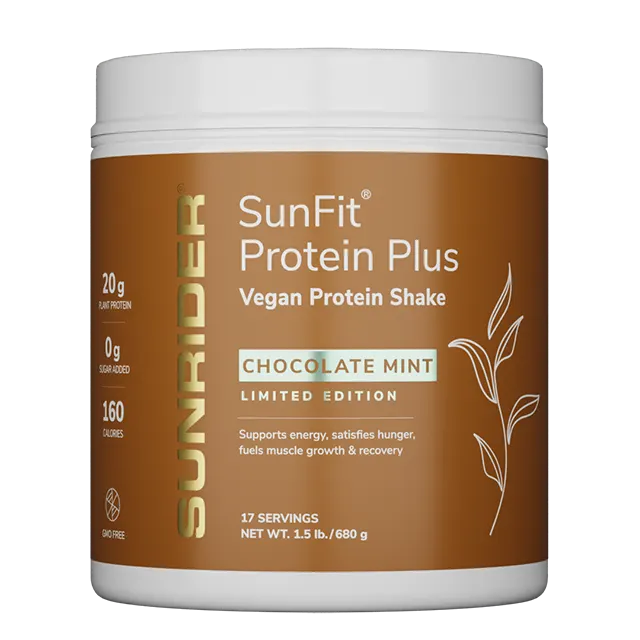
SunFit Protein Plus Chocolate Mint | Soy Protein
$76.74Buy now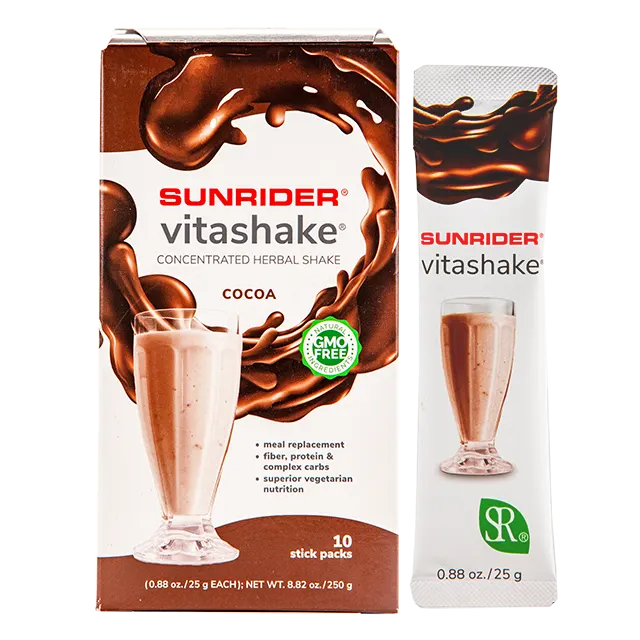
VitaShake®
$38.31Buy now
This debate is usually argued on ideology and settled on logistics. Here is what the evidence actually supports, and where the real differences live.
Muscle growth: a near-tie
Head-to-head trials comparing soy or pea protein against whey at matched daily protein intakes generally find no significant difference in lean mass or strength gains over 8–12 weeks.
The exception appears at low doses. At 20 g, whey's higher leucine content gives it an edge; at 35–40 g, plant protein catches up because the absolute leucine delivered clears the threshold anyway.
| Factor | Whey | Plant / whole-food |
|---|---|---|
| Muscle gain (matched intake) | Equal | Equal |
| Leucine per gram | Higher | Slightly lower |
| Lactose | Present in concentrate | None |
| Fiber content | None | Present in whole-food forms |
| Typical additives | Common | Common in isolates, rare in concentrates |
| Environmental footprint | Higher | Lower |
Digestion is where people actually differ
Roughly two-thirds of adults worldwide have reduced lactase activity, which makes whey concentrate a poor fit for a large share of the population. Whey isolate removes most lactose, but at the cost of more processing.
On the plant side, the culprits are usually gums, sugar alcohols and sucralose rather than the protein. Reading the back of the tub resolves most complaints.
How to choose
If you tolerate dairy, want the cheapest gram of protein, and train hard, whey is a perfectly good default. If you are dairy-free, prioritize digestive comfort, or want your protein to arrive as food rather than as an extracted fraction, a whole-food plant formula is the better fit.
Either way: check the serving size, count the actual grams, and prefer a short ingredient list.
If you are switching away from whey, these are the plant and whole-food protein options we recommend.
SunFit® Protein Plus | Pea & Rice Protein
$76.74Buy nowSunFit Protein Plus Chocolate Mint | Soy Protein
$76.74Buy nowVitaShake®
$38.31Buy now
Frequently asked
- Is plant protein as good as whey for building muscle?
- Yes, when total daily protein is matched. Serving sizes may need to be slightly larger to deliver equivalent leucine.
- Which protein is easier to digest?
- For most people, plant-based whole-food protein is easier to digest than whey concentrate, largely because it contains no lactose. Additives affect comfort more than the protein source does.
- Does plant protein have heavy metals?
- Plants absorb trace minerals from soil, so testing and sourcing matter. Choose brands that control their own farms and manufacturing and batch-test finished product.
Put it into practice
Browse whole-food herbal nutrition, clean beauty, and non-toxic home essentials from Sunrider's own farms and labs.
Keep reading
Ready to order?
Everything here ships direct from Sunrider at official pricing, with the manufacturer guarantee — no marketplace reseller in between.
SunFit® Protein Plus | Pea & Rice Protein — $76.74 · SKU 0154134 · in stock, ships from Sunrider