
Whole-Food Nutrition vs. Isolated Supplements: Why Concentration Beats Extraction
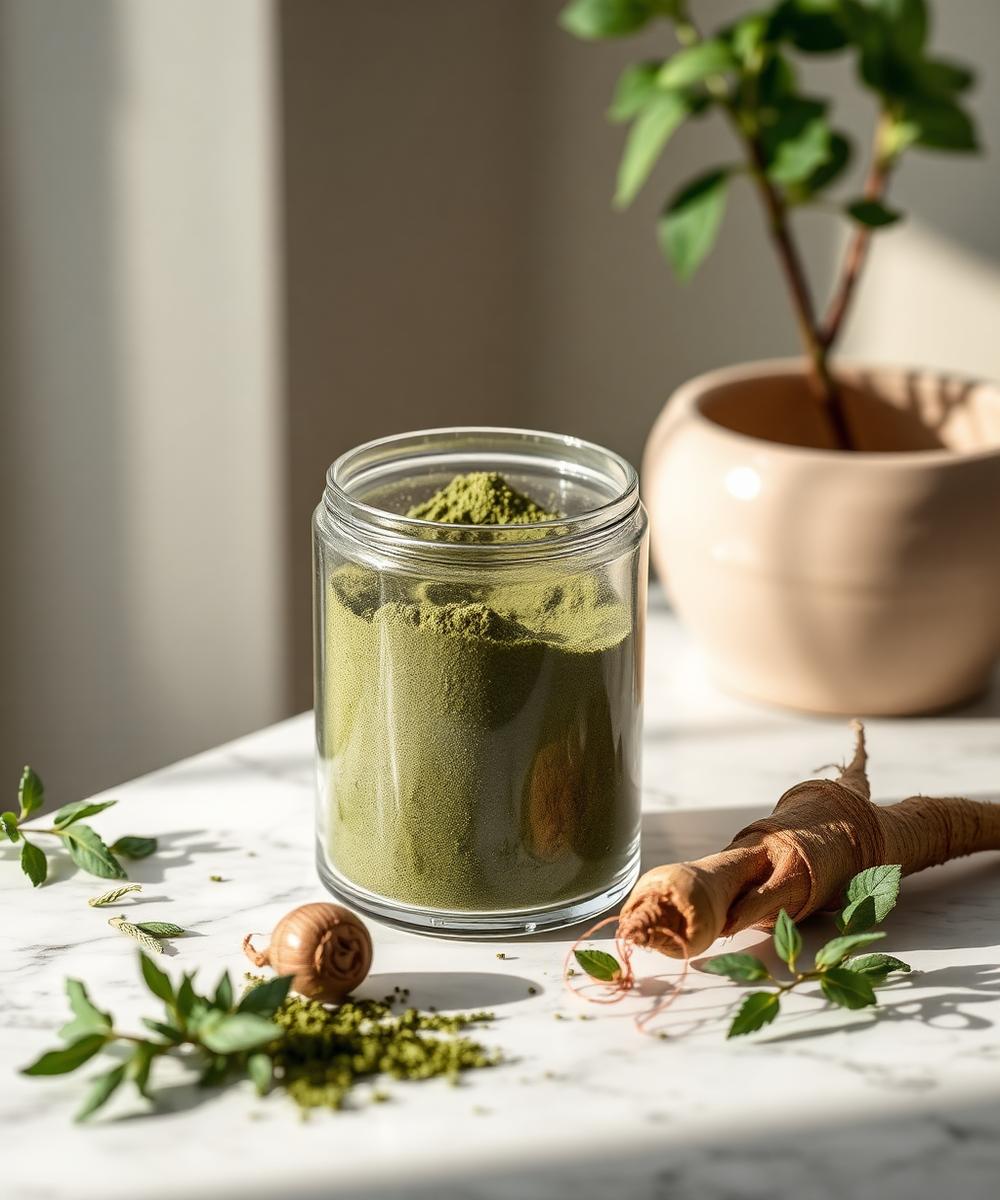
An orange is not vitamin C. It is vitamin C surrounded by bioflavonoids, fiber, enzymes, and hundreds of compounds that arrived together and behave differently apart. That gap explains most of the confusion in the supplement aisle.
Extraction pulls one note out of the chord
Isolation is a manufacturing convenience. It gives a milligram number to put on a label and a molecule cheap to synthesize. What it discards are the cofactors that determine whether the body can actually use the nutrient.
This is why high-dose isolated nutrients so often underperform the food they were taken from in real studies.
Concentration keeps the chord and turns up the volume
Concentration is the opposite approach: take the whole plant, gently remove water and inert bulk, and keep the ratios intact. You end up with more of everything the plant made, in the proportion it made them.
This is the philosophy behind the whole-food herbal formulas we use and recommend — food first, dosage second.
How to tell which one you're holding
Labels are readable once you know the tell. An isolate label reads like a periodic table with percentages of daily value. A whole-food label reads like a grocery list.
- Ingredient list names plants, not compounds → whole food
- Long %DV column with round numbers → isolate blend
- "Proprietary blend" with no plant names → be skeptical
- Manufacturer owns its farms → traceable inputs
The regeneration principle
The traditional view we work from is that the body does not need to be stimulated or sedated; it needs to be nourished so it can regenerate. Whole foods do that quietly and cumulatively. It is a slower story than a pre-workout, and a far more durable one.
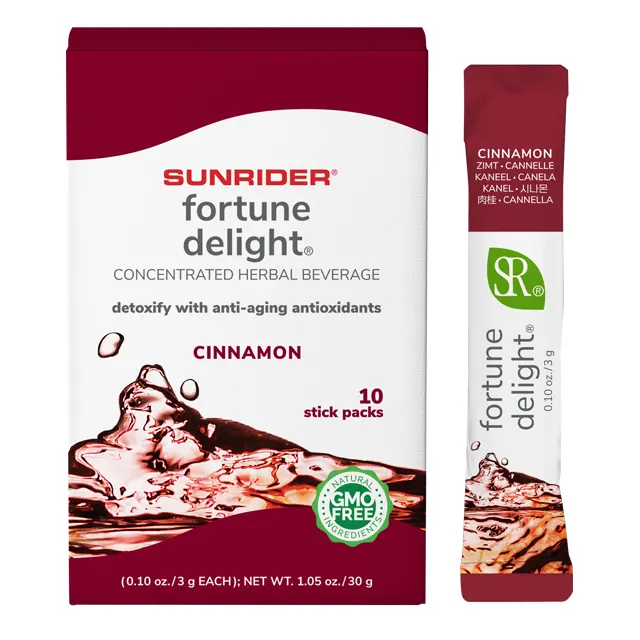
Concentrated whole-food formulas, not synthetic isolates.
Browse the full catalog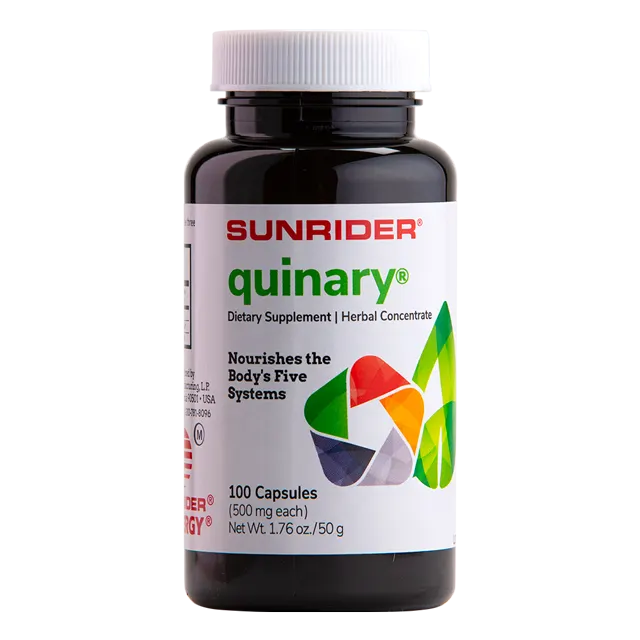
Frequently asked
- Are whole-food supplements better absorbed?
- Generally yes. Nutrients arriving with their natural cofactors and fiber are absorbed and used more predictably than isolated high-dose compounds.
- Do I still need a multivitamin?
- If your diet is genuinely varied, often not. A whole-food concentrate is a better gap-filler than a synthetic multivitamin for most people.
Put it into practice
Browse whole-food herbal nutrition, clean beauty, and non-toxic home essentials — or explore building a wellness business of your own.
Keep reading
Ready to order?
Every product mentioned ships direct from Sunrider at official pricing with the manufacturer guarantee.
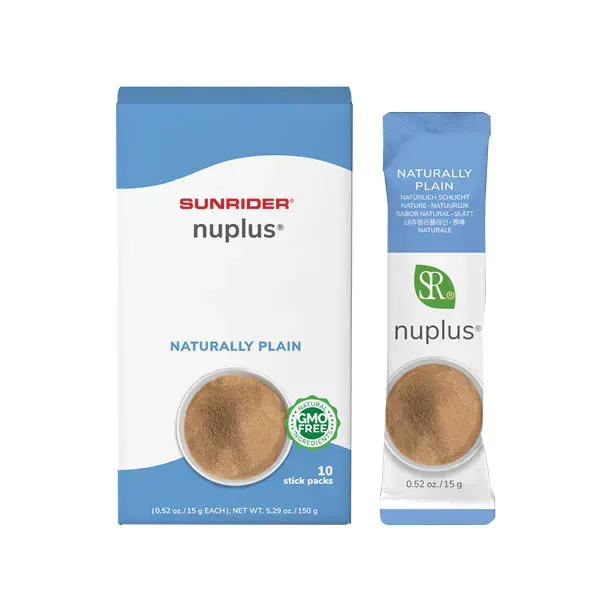
NuPlus® — $32.64 · SKU 0186734 · temporarily out of stock