
How to Build Muscle: The Complete Beginner-to-Intermediate Guide
Can you build muscle and lose fat at the same time?
To build muscle you need three things at the same time: progressive resistance training 3–5 days a week, roughly 0.7–1.0 g of protein per pound of body weight per day, and a small calorie surplus of 200–400 calories with 7–9 hours of sleep. Each muscle group responds best to about 10–20 hard sets per week, taken close to failure, with the load or reps increasing over time. Beginners can expect roughly 1–2 lb of muscle per month in the first year; that rate roughly halves in year two and continues to slow. Supplements matter far less than consistency — creatine monohydrate and adequate daily protein are the only two with strong, repeatable evidence.
- Train each muscle 2x per week, 10–20 hard sets weekly
- Eat 0.7–1.0 g protein per lb of body weight daily
- Small surplus: 200–400 calories above maintenance
- Sleep 7–9 hours — recovery is when growth happens
- Only creatine and protein have strong supplement evidence
How long does it take to build noticeable muscle?
Most people see visible change in 8–12 weeks of consistent training and eating, and clear change at 6 months. Strength improves in the first 2–3 weeks, but that is mostly your nervous system learning the movement, not new tissue.
Rates depend on training age, sleep, protein intake, and hormones.
Read more: How fast should you expect to grow?Can you build muscle without going to a gym?
Yes, up to a point. Bodyweight and band training builds real muscle for beginners because any load is progressive overload at first. Once push-ups and squats stop being hard, you need heavier resistance to keep progressing.
Do you need to eat in a calorie surplus to build muscle?
Not always. Beginners, people returning after a layoff, and those with higher body fat can build muscle at maintenance or a slight deficit. Everyone else grows faster with a modest 200–400 calorie surplus.
What is the single biggest mistake beginners make?
Program hopping. Muscle grows from repeating the same movements with more load over months. Switching routines every three weeks resets the progression that causes growth in the first place.
Growth is a daily protein and micronutrient problem before it is a supplement problem. These are the whole-food formulas we use to hit the number without living on shakes.
Browse the full catalog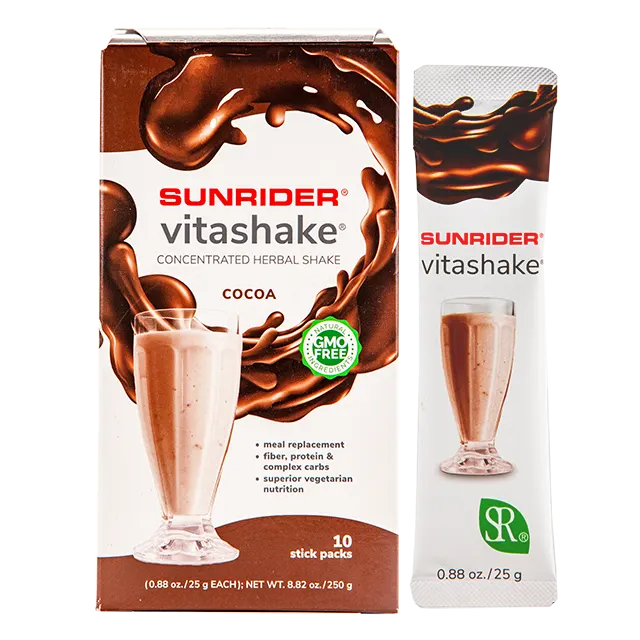

Muscle building is not complicated, but it is unforgiving of inconsistency. The variables that matter can fit on an index card; the reason most people stall is that they change the card every month.
The training that actually causes growth
Muscle grows in response to mechanical tension applied repeatedly and increased over time. In practice that means lifting a load you can move for roughly 5–30 reps, stopping within a couple of reps of failure, and making the sets harder week over week by adding weight or reps.
Frequency matters less than total weekly volume, but hitting each muscle twice a week lets you spread that volume across fresher sets. Ten to twenty hard sets per muscle per week is the range where most people find their sweet spot.
- 3–5 training days per week is enough for almost everyone
- Each muscle group: 10–20 hard sets weekly, split over two sessions
- Stay 1–3 reps from failure on most sets
- Add weight or reps every week you can — that is the whole program
Eating for growth without gaining fat
Protein is the structural requirement: 0.7–1.0 g per pound of body weight per day, spread across three or four meals of 25–40 g. Below that you can train perfectly and still not grow.
Energy is the permissive requirement. A 200–400 calorie surplus supports growth while keeping fat gain slow enough that you do not have to diet it off later. Carbohydrates fuel the training itself, so cutting them aggressively while trying to grow works against you.
| Body weight | Protein | Approx. calories over maintenance |
|---|---|---|
| 140 lb | 100–140 g | +200–300 |
| 170 lb | 120–170 g | +250–350 |
| 200 lb | 140–200 g | +300–400 |
How fast should you expect to grow?
First-year trainees can gain roughly 1–2 lb of muscle per month under good conditions. Year two is about half that, and by year three or four, a few pounds across a whole year is a genuinely good outcome.
This is why patience beats intensity spikes. The people with the most muscle are rarely the ones who trained hardest for eight weeks — they are the ones who never stopped.
Recovery: the part people skip
Training is the stimulus; sleep and nutrition are where adaptation happens. Chronic short sleep blunts muscle protein synthesis and raises perceived effort, so the same program produces less.
Hydration and mineral balance matter more than most supplements. If your training is hard and you sweat heavily, replacing sodium, potassium and magnesium keeps performance and recovery from quietly degrading.
- 7–9 hours of sleep, consistent bed and wake times
- Replace electrolytes after heavy or hot sessions
- One or two lower-intensity days per week, not zero movement
Supplements worth the money
Two things clear the evidence bar: enough daily protein, and 3–5 g of creatine monohydrate per day. Everything else is either marginal or unproven.
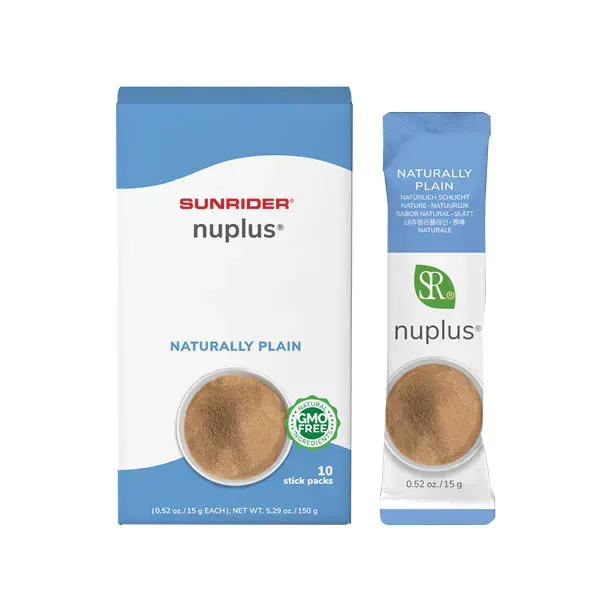
Whole-food protein and concentrated food formulas are how we prefer to close the gap, because they bring the fiber and micronutrients that isolates strip out.
How to build muscle, step by step
- 1
Pick a program and keep it
Choose a 3–5 day resistance program and run it for at least 12 weeks before changing anything.
- 2
Set your protein number
Multiply your body weight in pounds by 0.8. That is your daily protein target in grams.
- 3
Add a small surplus
Eat 200–400 calories above maintenance, adjusting monthly based on the scale and the mirror.
- 4
Progress the load
Each week add a rep or a small amount of weight to your main lifts.
- 5
Protect recovery
Sleep 7–9 hours, hydrate, and replace electrolytes after hard sessions.
Growth is a daily protein and micronutrient problem before it is a supplement problem. These are the whole-food formulas we use to hit the number without living on shakes.
Browse the full catalogFrequently asked
- Can you build muscle and lose fat at the same time?
- Yes, most reliably for beginners, returning trainees, and people with higher body fat. For lean, trained people it is slow and usually not worth chasing.
- How many days a week should I train?
- Three to five. Fewer than three makes weekly volume hard to accumulate; more than five rarely adds much unless you are advanced.
- Is soreness a sign of growth?
- No. Soreness tracks novelty and eccentric load, not growth. Progressive overload is the signal that matters.
- Do I need protein powder?
- No, but it makes hitting the daily number far easier. A whole-food shake covers a 25–40 g meal in about a minute.
Put it into practice
Browse whole-food herbal nutrition, clean beauty, and non-toxic home essentials from Sunrider's own farms and labs.
Keep reading
How Much Protein Should You Eat a Day? A Practical Guide by Body Weight and Goal
NutritionThe Best Protein Powder for Muscle Gain: How to Choose Without the Marketing
FitnessWhat Does Creatine Do? Inside the Most Studied Supplement in Sports Nutrition
FitnessHow to Build Muscle on a Plant-Based Diet
Ready to order?
Everything here ships direct from Sunrider at official pricing, with the manufacturer guarantee — no marketplace reseller in between.
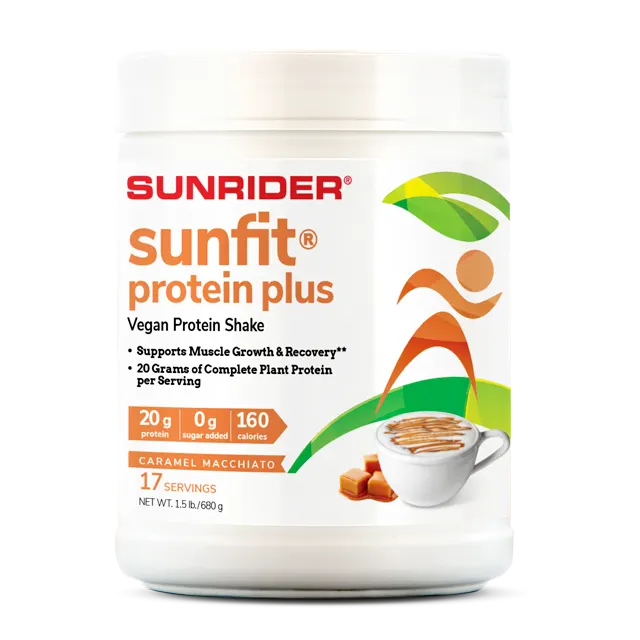
SunFit® Protein Plus | Pea & Rice Protein — $76.74 · SKU 0154134 · in stock, ships from Sunrider