

Sunrider Reviews: An Honest Assessment
Written by an independent Sunrider business owner — which means we earn if you buy, and it means this page states the criticisms plainly rather than pretending they do not exist.
Is Sunrider worth it?
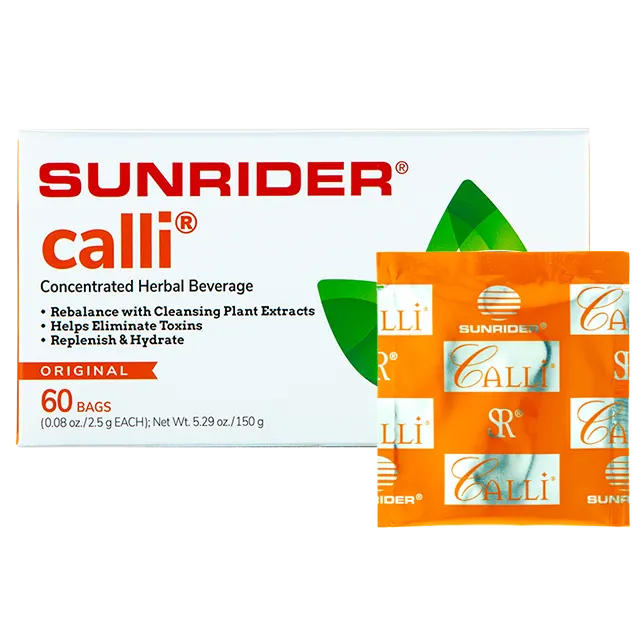
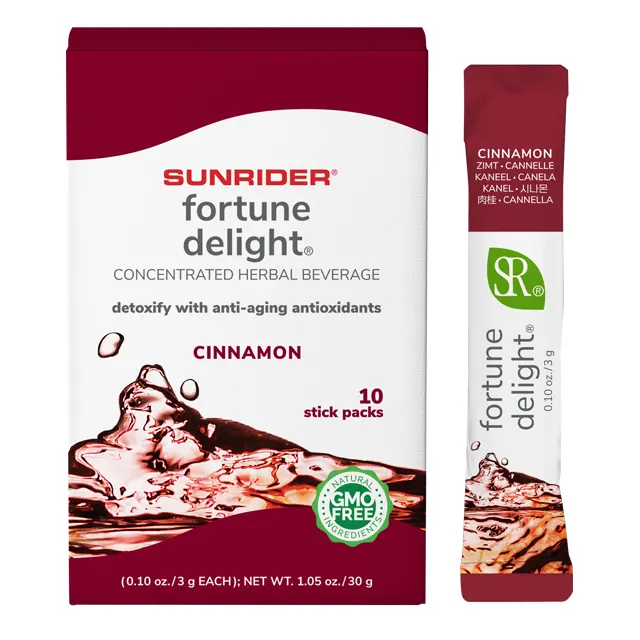
Sunrider is a legitimate, family-owned manufacturer founded in 1982 that grows, formulates and packages most of its own products — which is rare in supplements and is the strongest argument in its favour. The honest criticisms are also real: prices are well above mass-market equivalents, the taste of the herbal concentrates divides people, and the direct-sales model means much of what you read online is written by someone who earns when you buy. Products worth the money for most people are NuPlus, Calli and Fortune Delight. Products to skip until you have a reason are the deeper specialty formulas. If a review promises weight loss, disease treatment or a cure, ignore it — Sunrider products are foods and cosmetics, not medicine.
What Sunrider genuinely gets right
- Owns its farms, extraction facilities and manufacturing — very few supplement brands control the full chain.
- Whole-food concentration rather than isolated synthetic vitamins, which is a genuinely different formulation philosophy.
- Product line has been stable for 40+ years; formulas are not reinvented every season to chase trends.
- Ships directly from the manufacturer's warehouse, so freshness and authenticity are not in question when you buy officially.
The fair criticisms
- Prices are 2–4x mass-market supplements. That premium is only worth it if the sourcing matters to you.
- The taste of the herbal concentrates is an acquired one. Some people never get past it.
- It is a direct-sales company, so most published reviews — including pages like this one — come from people with a financial interest. Weigh accordingly.
- Results are cumulative and undramatic. If you want something you feel in three days, this is not it.
- No large independent clinical trials on the finished formulas; the evidence base is on the individual botanicals.
Who Sunrider is and is not for
| If you… | Verdict |
|---|---|
| Care where ingredients are grown and processed | Strong fit. This is the whole argument for the brand. |
| Want the lowest cost per gram of protein or vitamin | Poor fit. Buy a commodity isolate instead. |
| Struggle to eat vegetables consistently | Good fit. NuPlus is a practical daily floor. |
| Want a product that treats a medical condition | Wrong category. These are foods; talk to a clinician. |
| Want to buy at wholesale and possibly earn | Good fit. The IBO route costs little and has no sales requirement. |
If you want to judge Sunrider for yourself, these are the products to judge it on.
Browse the full catalog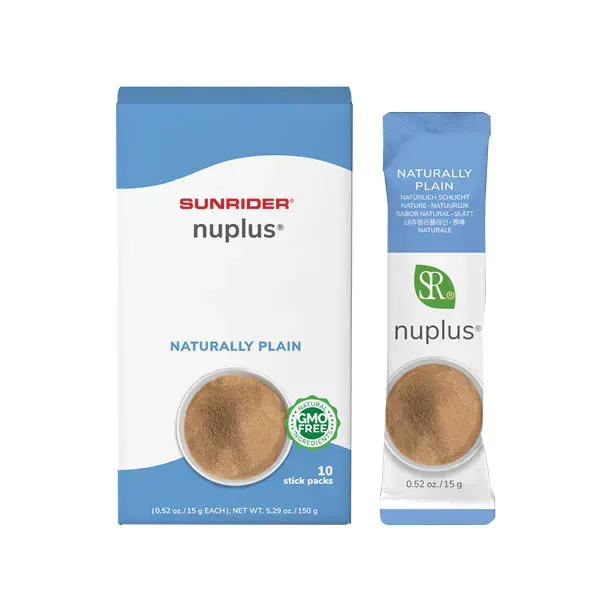
Frequently asked
- Is Sunrider a legitimate company?
- Yes. Sunrider International was founded in 1982, is family-owned, and operates its own farms, manufacturing and laboratories in the US and Asia. It is a long-established manufacturer, not a rebranded white-label brand.
- Is Sunrider a pyramid scheme?
- No. It is a multi-level direct-sales company: income comes from product sales, and the products are real, manufactured goods sold at retail. That said, most people who register do so to buy at wholesale rather than to build an income, and anyone considering the business side should read the income disclosure before making assumptions.
- Do Sunrider products actually work?
- They are foods and food concentrates, so the honest framing is nutritional rather than medical. People most often report better energy, digestion and hydration after four to six weeks of consistent use. Nobody should expect a Sunrider product to treat or cure a condition.
- Why is Sunrider so expensive?
- Whole-herb concentration takes far more raw material per serving than isolating a synthetic vitamin, and Sunrider does its own farming and manufacturing rather than buying commodity powder. That is where the price goes.
- What do people complain about most with Sunrider?
- Price and taste, in that order. The third is the direct-sales model itself — some buyers simply prefer to shop from a retailer rather than through a person.