What is the best nutrition for weight loss?
A high-protein, high-fiber, whole-food diet in a modest calorie deficit. Build each meal around a lean or plant protein and half a plate of vegetables, and cut liquid calories first.

No crash diets or detox teas. Just the protein, fiber and whole-food habits with real evidence — and the products that make them easy.
Sustainable weight loss comes from a modest calorie deficit that you can keep for months, not weeks. The nutrition habits with the strongest evidence are eating 0.7–1.0 g of protein per pound of goal body weight, reaching 25–35 g of fiber daily, replacing sugary drinks with water or unsweetened tea, and replacing one meal a day with a low-sugar, high-protein shake if that makes the deficit easier. Protein and fiber are the two nutrients that most reliably keep you full and support your body's natural fullness hormones such as GLP-1.
Breakfast replacement: plant protein, low sugar
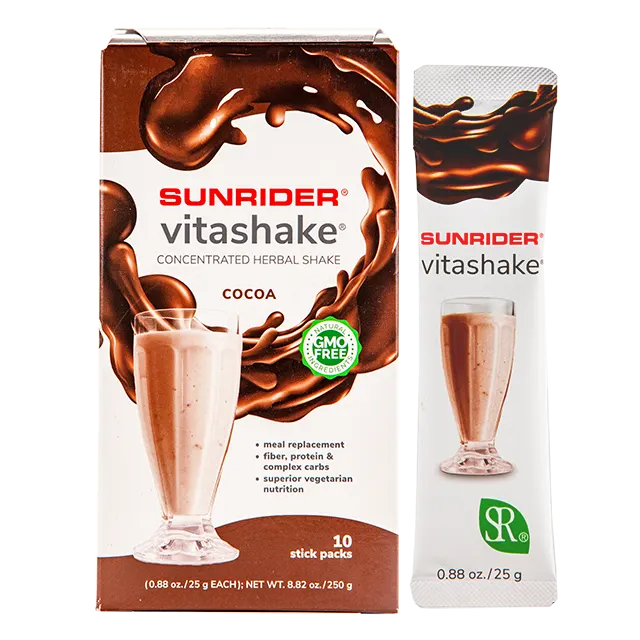
VitaShake®Extra protein to protect muscle while dieting
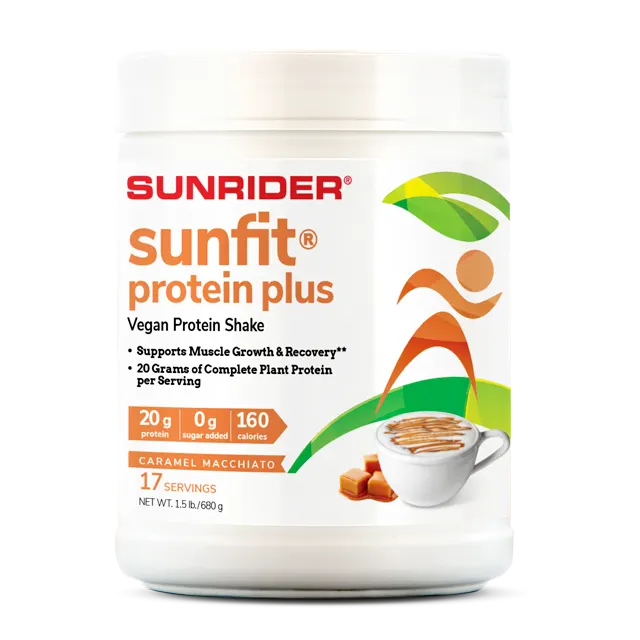
SunFit® Protein Plus | Pea & Rice ProteinHerbal tea to replace sweet drinks and curb cravings
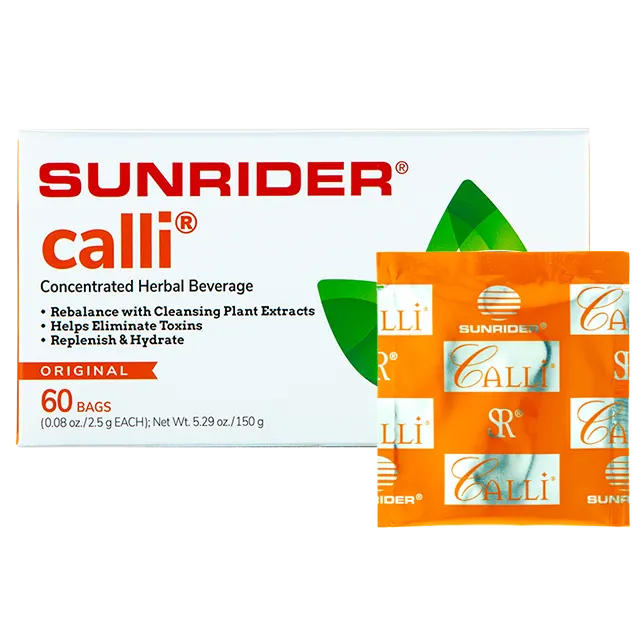
Calli®Whole-food fiber for fullness
Fibertone®How to choose a protein powder for weight loss: protein per calorie, fiber, sugar, and ingredient quality — plus the plant-based options we recommend.
Are protein shakes good for weight loss? Learn the best time to drink them (including for women), how many per day, and the mistakes that stall results.
The best high protein, low calorie foods for weight loss, ranked by protein per 100 calories — plant, animal and convenient options in one list.
Does green tea help you lose weight? The honest research on green tea, oolong and herbal teas for weight loss, and how to use tea to cut cravings.
An honest look at GLP-1 supplements and 'natural GLP-1 boosters' — what raises GLP-1 naturally through food, fiber and protein, and what is just marketing.
How fiber helps weight loss, how many grams to eat per day, the best high-fiber foods, and when a whole-food fiber supplement makes sense.
Which shake formulations actually support fat loss — protein and fibre thresholds, the satiety trap, and how to use one without losing muscle.
How GLP-1 works, which foods and fibers genuinely stimulate your own GLP-1 release, and an honest look at what natural approaches can and cannot match compared with medication.
How the Sunrider weight-management range is meant to work, what each product does, realistic expectations, and how to protect muscle while losing fat.
A high-protein, high-fiber, whole-food diet in a modest calorie deficit. Build each meal around a lean or plant protein and half a plate of vegetables, and cut liquid calories first.
Yes, when they replace a higher-calorie meal. Replacing breakfast with a 20 g protein, low-sugar shake is one of the easiest ways to create a daily deficit without feeling hungry.
About 0.5–2 lb per week, or roughly 1% of body weight weekly. Faster loss usually costs muscle and is harder to maintain.
Low-sugar plant protein, fiber and herbal tea — the core of a calorie-conscious routine.
Browse the full catalogReplacing breakfast with VitaShake is the simplest daily calorie deficit we know of.
VitaShake® — $38.31 · SKU 0186334 · in stock, ships from Sunrider