
The Best Meal Replacement Shakes in 2026 (And How to Judge One Yourself)
Can I have two meal replacement shakes a day?
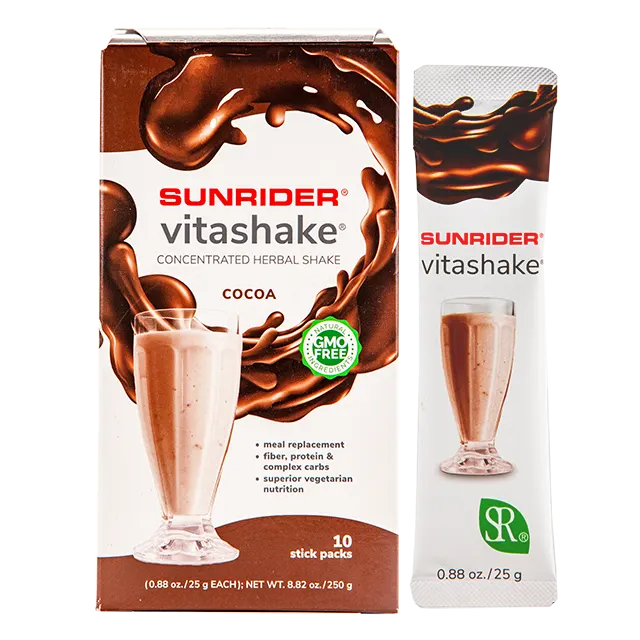
A shake only replaces a meal if it delivers roughly 20–30 g of protein, at least 5 g of fibre, under 10 g of added sugar, and a genuine micronutrient spread — anything less is a snack. Judge a shake on four numbers before you look at the marketing: grams of protein, grams of fibre, grams of added sugar, and whether the calories come from recognizable whole foods or from maltodextrin and oils. Whole-food based shakes such as Sunrider VitaShake and SunFit Protein Plus win on ingredient quality and digestibility; the mass-market powders usually win on price per serving and flavour range.
- Meal replacement threshold: 20–30 g protein, 5 g+ fibre, <10 g added sugar
- Check the first three ingredients — if one is maltodextrin, it is a sugar shake
- Plant protein blends match whey for muscle when the total daily protein is equal
- Fibre, not protein, is what keeps a shake filling for three or four hours
- Price per serving matters more than price per tub
What makes a shake a real meal replacement?
A real meal replacement supplies 20–30 g of protein, 5 g or more of fibre, a broad micronutrient profile, and fewer than 10 g of added sugar. Protein-only powders are supplements, not meals — they leave out the fibre and micronutrients that make a meal satisfying.
Are meal replacement shakes good for weight loss?
They help mainly because they remove decisions. Trials of partial meal replacement consistently show modest additional weight loss versus food-based diets of the same calories, largely from improved adherence rather than any metabolic advantage.
Which meal replacement shake has the cleanest ingredients?
Whole-food formulated shakes — where the base is concentrated grains, legumes and fruit rather than isolated protein plus maltodextrin — have the shortest and most recognizable ingredient lists. Sunrider VitaShake is built on that whole-food model.
If ingredient quality is your deciding factor, VitaShake and SunFit Protein Plus are whole-food based rather than isolate-plus-filler.
Browse the full catalog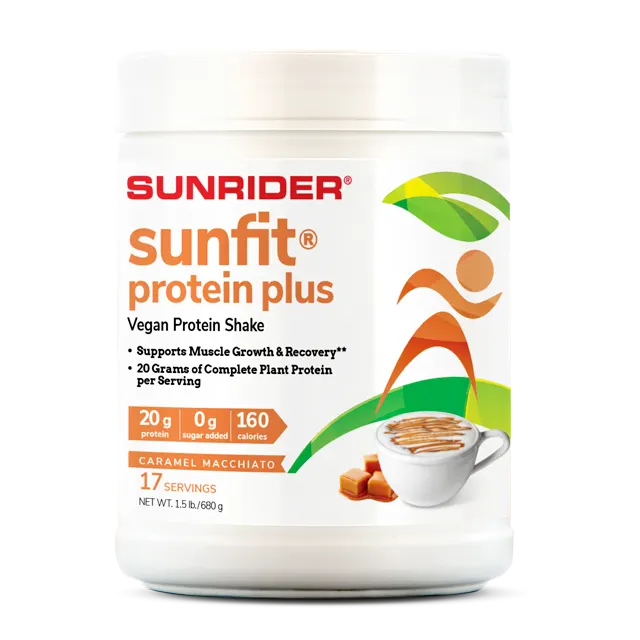
Almost every shake on the shelf calls itself a meal replacement. Very few of them meet the definition. This guide gives you the four numbers that separate a meal from a snack, then applies them honestly — including to the products we sell.
The four numbers that decide it
Turn the tub around and ignore the front label entirely. Protein, fibre, added sugar and the ingredient list tell you everything the marketing is trying to obscure.
A meal is roughly 300–450 calories with 20–30 g of protein. If a shake gives you 90 calories and 5 g of protein, it is a between-meal snack no matter what the box says.
| Metric | Snack | Real meal replacement |
|---|---|---|
| Protein | under 15 g | 20–30 g |
| Fibre | 0–2 g | 5 g or more |
| Added sugar | 10 g+ | under 10 g |
| Calories | under 200 | 300–450 |
How the main options compare
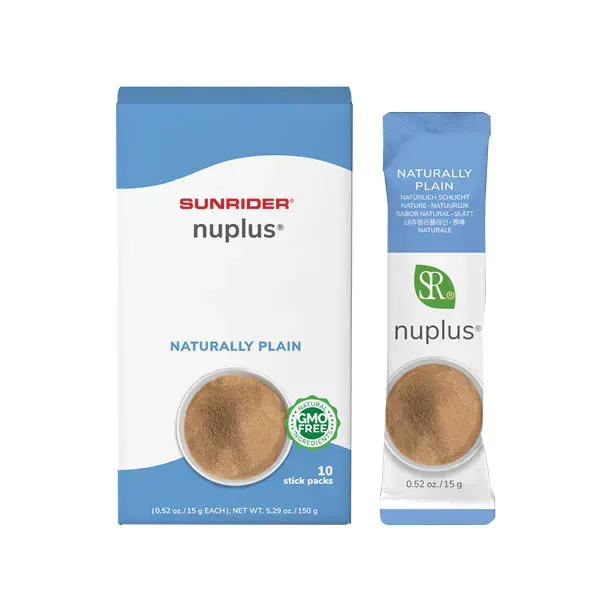
Mass-market shakes compete on price and flavour, which pushes formulators toward maltodextrin, isolated soy or whey, and a synthetic vitamin premix. Whole-food shakes start from concentrated foods and accept a plainer taste and a higher price per serving in exchange.
Neither approach is wrong. What matters is knowing which trade you are making.
- Isolate-based shakes: cheapest per gram of protein, longest ingredient lists
- Whole-food shakes: shortest ingredient lists, best tolerated, higher cost
- Ready-to-drink bottles: most convenient, most added sugar, worst value
Do they actually help with weight loss?
Randomized trials of partial meal replacement — usually one or two shakes a day — show a small but consistent advantage over food-only diets at the same calorie target. The mechanism is adherence, not metabolism: a shake removes a decision, and decisions are where diets fail.
The failure mode is the shake that is not filling. If you are hungry ninety minutes later, you have simply moved calories around. Fibre and protein are what buy you the three or four hours.
How to actually use one
Replace the meal you consistently get wrong, which for most people is breakfast or the 3pm collapse. Do not replace dinner if dinner is the meal you eat with other people — social meals are the ones you will keep.
Add a piece of fruit or a handful of nuts if you land under 300 calories, and drink it slowly. Satiety signalling takes about twenty minutes regardless of what form the calories arrive in.
If ingredient quality is your deciding factor, VitaShake and SunFit Protein Plus are whole-food based rather than isolate-plus-filler.
Browse the full catalogFrequently asked
- Can I have two meal replacement shakes a day?
- Yes — partial meal replacement studies typically use one or two per day alongside one whole-food meal and snacks. Replacing all three meals long term is not recommended without medical supervision.
- Is a meal replacement shake the same as a protein shake?
- No. A protein shake supplies protein and little else. A meal replacement adds fibre, carbohydrate, fat and micronutrients so it functions as a meal.
- Do meal replacement shakes expire quickly?
- Powders typically hold 18–24 months sealed and about 90 days once opened. Whole-food based formulas with no synthetic preservatives are on the shorter end.
Put it into practice
Browse whole-food herbal nutrition, clean beauty, and non-toxic home essentials from Sunrider's own farms and labs.
Keep reading
Ready to order?
Everything here ships direct from Sunrider at official pricing, with the manufacturer guarantee — no marketplace reseller in between.
VitaShake® — $38.31 · SKU 0186334 · in stock, ships from Sunrider