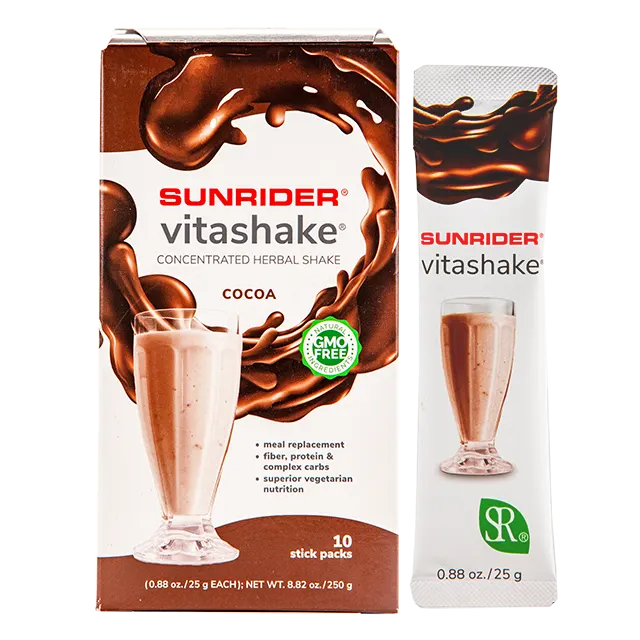

Meal Replacement Shakes: What to Look For and When They Actually Help
Are meal replacement shakes healthy?
A meal replacement shake is only worth using if it delivers roughly 15–25 g of protein, 3–8 g of fiber, a broad micronutrient base, and under 10 g of added sugar per serving. Used to replace one or two meals a day, they reliably support weight management mainly because they impose portion control and remove decision fatigue — not because of any metabolic property of the shake. The main failure modes are formulas built on maltodextrin and added sugar, and using shakes to replace every meal, which is unsustainable and strips out the fiber diversity your gut microbiome depends on.
- Look for 15–25 g protein, 3–8 g fiber, under 10 g added sugar
- Replacing one or two meals a day is the sustainable pattern
- Weight results come from portion control, not metabolic magic
- Avoid maltodextrin-first ingredient lists
- Whole-food bases preserve fiber and phytonutrient diversity
What makes a good meal replacement shake?
Adequate protein (20–30 g), real fiber, healthy fat, genuine micronutrient coverage and a short, recognizable ingredient list — not sugar plus a vitamin premix.
Are meal replacement shakes healthy every day?
One a day as a whole-food-based shake is reasonable for most people. Replacing multiple meals long term risks under-eating fiber and variety.
A real meal replacement should look like food on the label. These are the ones we stand behind.
Browse the full catalog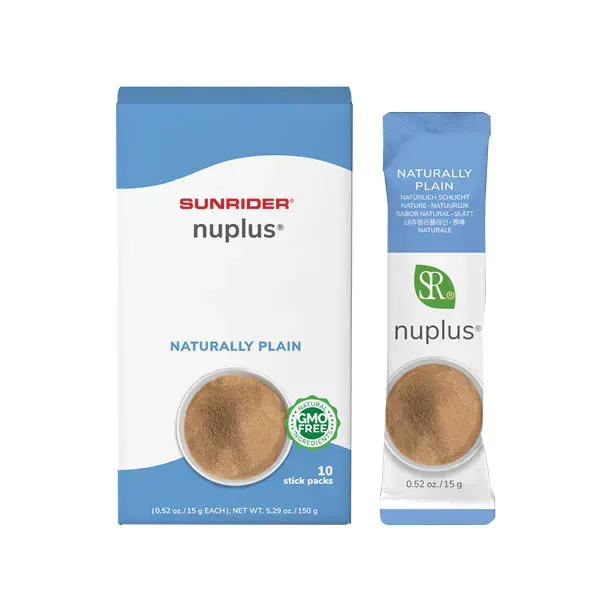
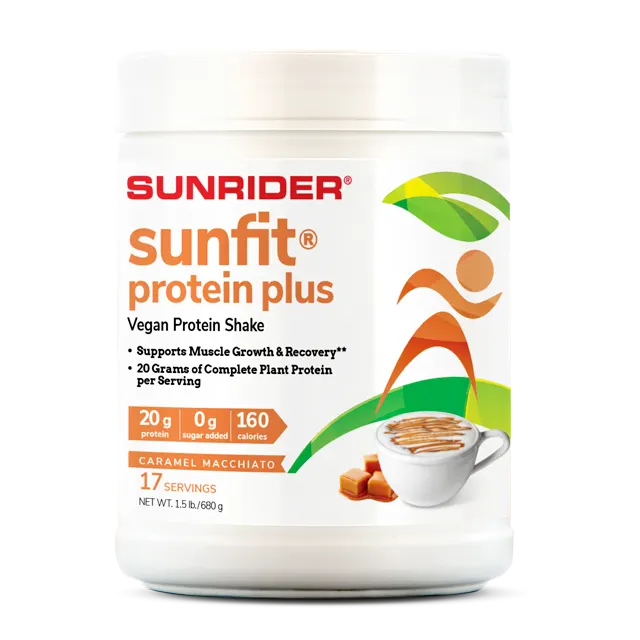
Meal replacement shakes get sold on transformation photos and criticized as processed food. Both framings miss the point: a shake is a delivery mechanism, and its value is entirely determined by what it delivers.
What a complete formula actually contains
A shake replacing a meal has to do a meal's job: meaningful protein, real fiber, some fat, and a spread of vitamins and minerals. Protein alone is a protein shake, not a meal replacement.
The fiber number is the most reliable quality tell. Cheap formulas are protein plus sweetener plus flavor; a formula built on whole foods carries fiber because the food it came from did.
- Protein: 15–25 g
- Fiber: 3–8 g, ideally from whole-food sources rather than added inulin
- Added sugar: under 10 g, ideally under 5 g
- Micronutrients: a broad base rather than three token vitamins
Do they work for weight management?
Clinical trials of partial meal replacement consistently show modest but real weight loss versus conventional dieting, and better adherence. The mechanism is unglamorous: a shake is a fixed, known portion, and it removes one daily decision.
That also explains the rebound. When the shake stops, the portion control stops with it unless eating habits changed alongside.
When a shake is the wrong tool
If you are already eating well and just want more protein, buy protein, not a meal replacement. If you have blood sugar concerns, check the added sugar before anything else. And if a plan asks you to replace all three meals indefinitely, that is a red flag rather than a program.
A real meal replacement should look like food on the label. These are the ones we stand behind.
Browse the full catalogFrequently asked
- Are meal replacement shakes healthy?
- A well-formulated one — adequate protein, real fiber, low added sugar, broad micronutrients — is a reasonable meal. A sugar-and-maltodextrin formula is a milkshake with vitamins in it.
- How many meals a day can I replace with a shake?
- One or two is the pattern used in most clinical trials and the one that stays sustainable. Replacing all meals long term is not advisable.
- Will meal replacement shakes help me lose weight?
- They can, primarily by controlling portions and simplifying decisions. Lasting results depend on what the remaining meals look like.
Put it into practice
Browse whole-food herbal nutrition, clean beauty, and non-toxic home essentials from Sunrider's own farms and labs.
Keep reading
Ready to order?
Everything here ships direct from Sunrider at official pricing, with the manufacturer guarantee — no marketplace reseller in between.
VitaShake® — $38.31 · SKU 0186334 · in stock, ships from Sunrider