
The Best Protein Powder for Muscle Gain: How to Choose Without the Marketing
Does timing matter for protein powder?
For muscle gain, the best protein powder is the one that delivers 25–40 g of complete protein per serving, digests comfortably enough that you take it daily, and comes from a manufacturer that controls its own sourcing and testing. Whey isolate has the highest leucine content per gram, but well-formulated plant blends that pair pea with rice close the amino gap and match whey for hypertrophy when total daily protein is equal. Digestibility is the deciding factor for most people: a powder that causes bloating gets abandoned, and an abandoned powder builds nothing. Ignore proprietary blends, and prefer brands that batch-test for heavy metals.
- 25–40 g complete protein per serving is the working target
- Plant blends match whey when total daily protein is equal
- Digestibility decides adherence, and adherence decides results
- Avoid proprietary blends and undisclosed amino spiking
- Prefer vertically integrated brands that batch-test
Is whey or plant protein better for muscle gain?
When total daily protein is matched, studies find no meaningful difference in muscle gain. Whey has more leucine per gram, so plant users should take slightly larger servings or choose blends that pair pea with rice.
How much protein powder should you take per day?
Usually one or two servings, used to fill the gap between what you eat and your daily target of roughly 0.7–1.0 g per pound. Powder is a convenience tool, not the foundation of the diet.
What should you avoid on a protein label?
Proprietary blends that hide the ratio, added free amino acids used to inflate the protein number, long sweetener stacks, and brands that cannot tell you who manufactures the product or whether it is batch-tested.
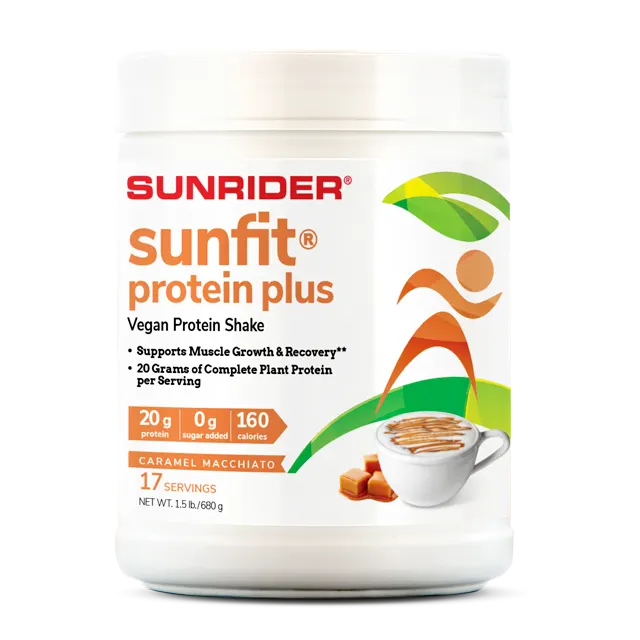
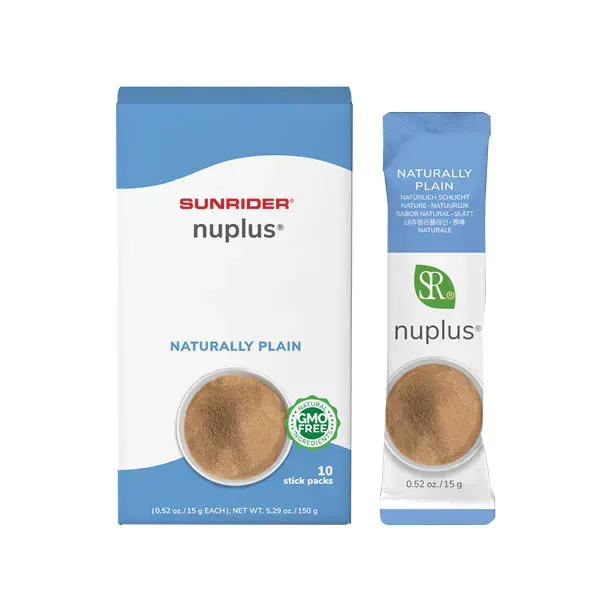
We use a whole-food pea-and-rice protein because it hits a complete amino profile and still digests like food. Here is what we take daily.
Browse the full catalog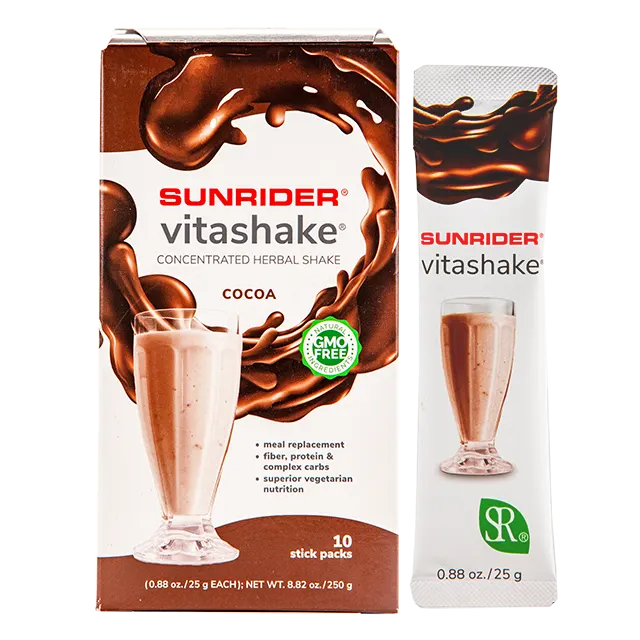
Protein powder is the most over-marketed product in nutrition and one of the simplest to evaluate once you know which four things to look at.
Whey vs plant: what the trials actually show
Head-to-head studies that equate total daily protein find similar gains in lean mass and strength between whey and well-formulated plant blends. Whey wins on leucine density; plant blends close the gap with slightly larger servings.
Pea protein is high in lysine and low in methionine; rice protein is the reverse. Blended, they form a complete profile that performs comparably to dairy protein.
Reading the label like a skeptic
Start with grams of protein per serving and the serving size, then check whether the amino profile is disclosed. Proprietary blends exist to hide ratios, and free amino acids are sometimes added purely to raise the nitrogen reading.
Then look at everything else in the tub: gums, sweetener stacks, and flavor systems are what most digestive complaints actually come from.
- 25–40 g protein per serving
- Full ingredient disclosure, no proprietary blends
- Short sweetener and gum list
- Batch testing for heavy metals
- A manufacturer that owns or controls its supply chain
How powder fits into a real day of eating
Powder should close a gap, not replace meals by default. Most people who struggle with protein are short by 30–50 g, which is one shake.
Attaching the shake to an existing habit — breakfast, or straight after training — is what turns it into a daily behavior rather than a tub in the cupboard.
| Daily target | Typical food intake | Powder needed |
|---|---|---|
| 120 g | 80 g | 1 serving |
| 150 g | 95 g | 1–2 servings |
| 180 g | 110 g | 2 servings |
Why digestion is the real deciding factor
The best powder on paper is worthless if it makes you uncomfortable. Isolates strip away the fiber and cofactors the plant came with, which is exactly why some people tolerate whole-food formulas better.
If a powder has ever made you skip a day, that is data. Switch to something gentler before you blame your protein target.
We use a whole-food pea-and-rice protein because it hits a complete amino profile and still digests like food. Here is what we take daily.
Browse the full catalogFrequently asked
- Does timing matter for protein powder?
- Far less than total daily intake. Anywhere in a few hours around training is fine; consistent daily totals matter more.
- Can you build muscle on plant protein alone?
- Yes. Match total daily protein and use blends with a complete amino profile, and outcomes track dairy protein closely.
- Is more protein per scoop always better?
- No. A very high number often means heavy isolation or amino spiking. Complete, digestible protein you take daily beats a bigger number you avoid.
Put it into practice
Browse whole-food herbal nutrition, clean beauty, and non-toxic home essentials from Sunrider's own farms and labs.
Keep reading
Ready to order?
Everything here ships direct from Sunrider at official pricing, with the manufacturer guarantee — no marketplace reseller in between.
SunFit® Protein Plus | Pea & Rice Protein — $76.74 · SKU 0154134 · in stock, ships from Sunrider