

How to Improve Mental Clarity: 10 Practices That Work
Does exercise improve brain function?
The practices with the strongest evidence for mental clarity are: sleep 7–9 hours on a consistent schedule, get 150 minutes of aerobic exercise weekly (it raises BDNF and blood flow to the brain), get bright morning light to anchor your body clock, work in single-task focus blocks instead of multitasking, practice 10 minutes of meditation or breathwork to lower stress, stay hydrated, eat protein and fiber to avoid blood sugar crashes, limit alcohol, keep learning new skills, and stay socially connected. Adaptogenic herbs like ginseng can support focus under stress, but they work best on top of these habits.
- Consistent 7–9 hours of sleep
- 150 minutes of aerobic exercise weekly
- Morning light and single-task focus blocks
- Meditation lowers stress that clouds thinking
- Adaptogens support — habits lead
How can I make my mind sharper?
Sleep consistently, exercise most days, work in distraction-free focus blocks, and keep learning something challenging. These four habits have the strongest evidence for sharper thinking at any age.
Do adaptogens help mental clarity?
Panax ginseng and eleuthero (ci wu jia) have trials showing reduced mental fatigue and better performance under stress. Effects are modest and best combined with good sleep and exercise.
Korean White Ginseng and Ci Wu Jia are traditional adaptogens for concentration and stress endurance; Energy Plus delivers caffeine-free herbal energy.
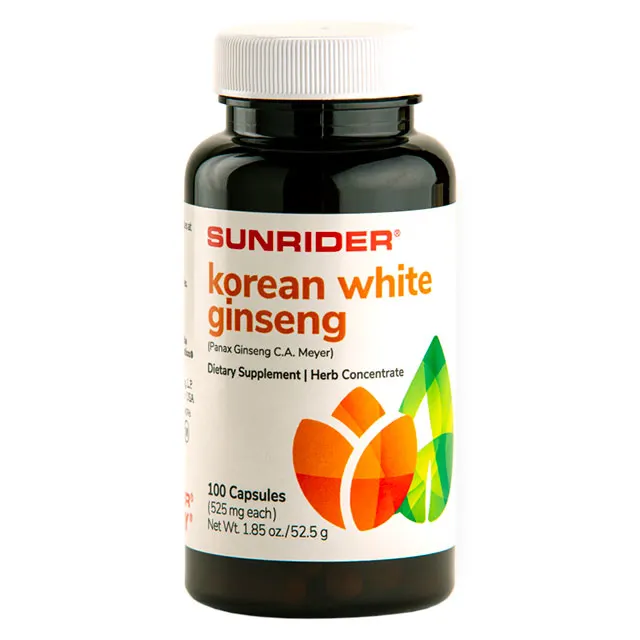
Korean White Ginseng
$74.76Buy now
Ci Wu Jia
$43.35Buy now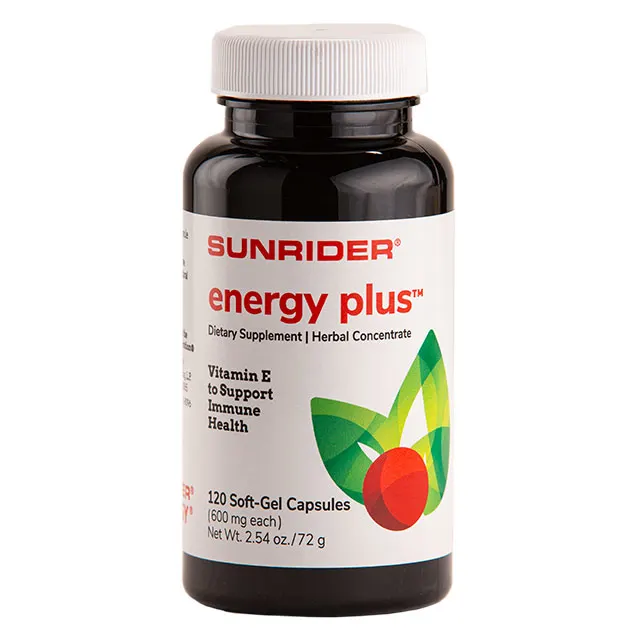
Energy Plus™
$64.87Buy now

A clear mind is mostly built by daily habits. Here are the ten with the best evidence.
10 practices for a clearer mind
- Sleep 7–9 hours at consistent times
- Exercise aerobically 150 minutes a week
- Get 10 minutes of outdoor morning light
- Work in 25–90 minute single-task blocks
- Meditate or do slow breathing 10 minutes daily
- Drink water through the day
- Eat protein and fiber at every meal
- Limit alcohol, especially before bed
- Learn a challenging new skill
- Stay socially connected
Where herbs fit
Traditional adaptogens like Panax ginseng and eleuthero have been used for centuries for stamina and focus, and modern trials show modest benefits for mental fatigue. Use them as support once the habits are in place.
A 4-step mental clarity plan
- 1
Fix sleep first
Set a consistent bedtime and wake time for two weeks.
- 2
Move daily
Add a brisk 20–30 minute walk or workout most days.
- 3
Protect focus
Schedule one phone-free deep-work block each morning.
- 4
Add support
Layer in an adaptogen or focus formula once habits are steady.
Korean White Ginseng and Ci Wu Jia are traditional adaptogens for concentration and stress endurance; Energy Plus delivers caffeine-free herbal energy.
Korean White Ginseng
$74.76Buy nowCi Wu Jia
$43.35Buy nowEnergy Plus™
$64.87Buy now
Frequently asked
- Does exercise improve brain function?
- Yes. Aerobic exercise increases blood flow to the brain and raises BDNF; trials show improvements in memory and executive function.
- Does meditation improve focus?
- Studies show regular meditation improves attention and reduces mind-wandering, often within weeks.
Put it into practice
Browse whole-food herbal nutrition, clean beauty, and non-toxic home essentials from Sunrider's own farms and labs.
Keep reading
Ready to order?
Everything here ships direct from Sunrider at official pricing, with the manufacturer guarantee — no marketplace reseller in between.
Korean White Ginseng — $74.76 · SKU 2807134 · in stock, ships from Sunrider