
Liver Detox Foods: What to Eat to Support Your Liver (Evidence-Based)
Can you reverse fatty liver with diet?
The foods with real evidence for supporting liver function are cruciferous vegetables (broccoli, kale, cabbage — they supply sulforaphane used by phase II liver enzymes), alliums (garlic and onions — sulfur compounds), adequate protein (the liver's enzyme systems are built from amino acids), green foods rich in chlorophyll and antioxidants, and coffee (associated with lower rates of fatty liver and fibrosis in large cohort studies). What helps most is subtracting: alcohol, excess fructose from sweetened drinks, and ultra-processed food are the main dietary drivers of fatty liver.
- Crucifers supply sulforaphane for phase II liver enzymes
- Garlic and onions supply sulfur compounds
- Protein provides the amino acids liver enzymes are built from
- Coffee is associated with lower fatty liver risk in cohort studies
- Cutting alcohol and sweetened drinks helps more than any food
What foods cleanse your liver?
No food cleanses the liver, but cruciferous vegetables, garlic, onions, adequate protein, green foods and coffee support the enzyme systems the liver uses to process compounds. The biggest lever is removing alcohol and sugar-sweetened drinks.
Do liver detox supplements work?
Most are unproven. Milk thistle has the most research and shows at best modest effects. Concentrated green foods and whole-food nutrition are a more defensible daily choice than isolated 'liver flush' pills.
Evergreen and NuPlus are concentrated whole-food and green-food formulas — the practical way to get crucifer-and-greens intake on days your plate doesn't cooperate.
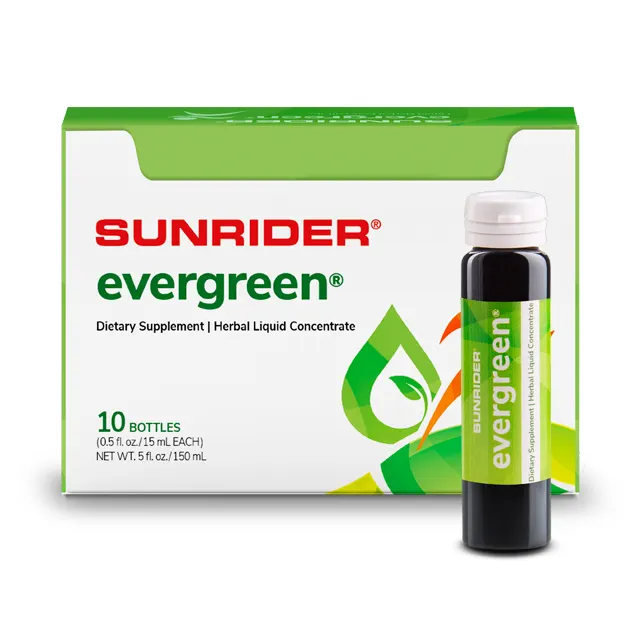
Evergreen®
$50.71Buy now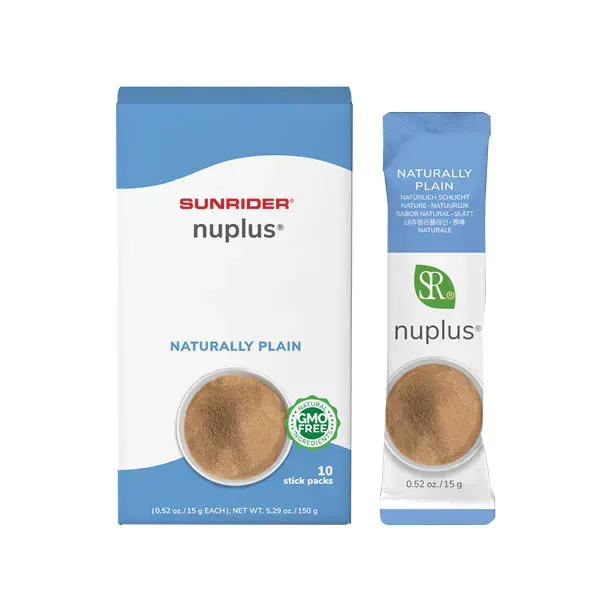
NuPlus®
$32.64Buy now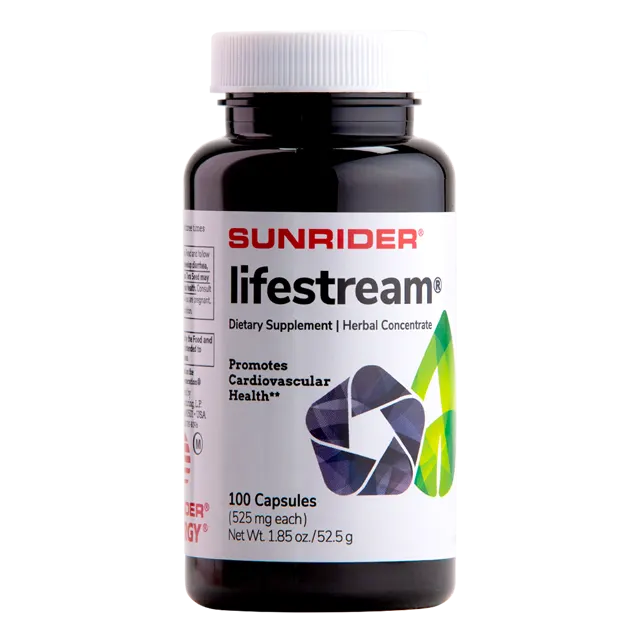
Lifestream®
$49.61Buy now
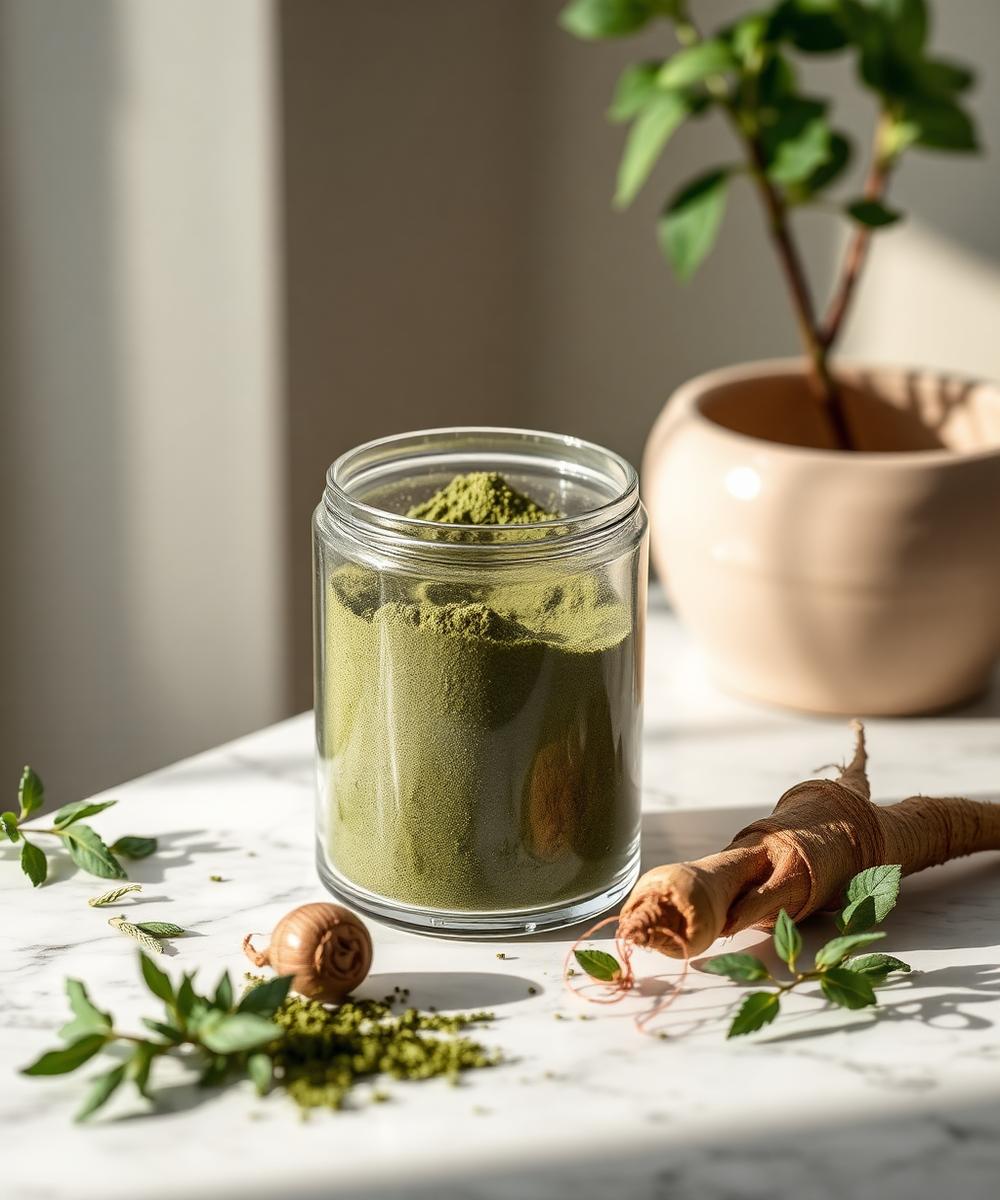
Your liver runs hundreds of chemical conversions a day, and it does it with raw materials from your plate. This guide covers which foods supply those materials, which foods quietly overload the system, and how to eat in a way that keeps the whole operation running.
The foods with real evidence
Cruciferous vegetables top the list: broccoli, kale, cabbage and Brussels sprouts supply glucosinolates that convert to sulforaphane, a compound that upregulates the liver's phase II detoxification enzymes. Alliums — garlic and onions — supply the sulfur compounds those same pathways use. Adequate protein matters because the enzymes themselves are proteins; chronic under-eating of protein impairs the system.
Coffee deserves a special mention: across large cohort studies, regular coffee drinkers show lower rates of fatty liver disease, fibrosis and liver cancer. Green foods — leafy greens, spirulina, concentrated green formulas — contribute chlorophyll, folate and antioxidant compounds that support the same systems.
What actually damages the liver
- Alcohol — the dose makes the poison; even 'moderate' daily drinking adds up
- Sugar-sweetened drinks — fructose is metabolized in the liver and drives fatty liver
- Ultra-processed food — associated with fatty liver independent of calories
- Chronic overeating — excess energy is stored as liver fat
- Megadose supplements — ironically, some 'liver detox' pills have caused liver injury
A liver-supportive day of eating
Breakfast: protein plus a whole-food base (a shake built on NuPlus or VitaShake works). Lunch: a large salad with crucifers and alliums. Dinner: protein, vegetables, whole-food starch. Drinks: water, herbal tea, coffee if you like it. That's the entire 'liver cleanse diet' — repeated daily, it outperforms any 7-day flush.
Evergreen and NuPlus are concentrated whole-food and green-food formulas — the practical way to get crucifer-and-greens intake on days your plate doesn't cooperate.
Evergreen®
$50.71Buy nowNuPlus®
$32.64Buy nowLifestream®
$49.61Buy now
Frequently asked
- Can you reverse fatty liver with diet?
- Often, yes — especially early-stage fatty liver. Weight loss of 7–10% of body weight, cutting alcohol and sweetened drinks, and a whole-food diet have all been shown to reduce liver fat.
- Is coffee good or bad for the liver?
- Good, on current evidence. Multiple large studies associate 2–3 cups daily with lower rates of fatty liver and fibrosis.
- Are green powders good for the liver?
- Concentrated green foods contribute chlorophyll, folate and antioxidants that support liver enzyme systems — a reasonable daily addition, not a treatment.
Put it into practice
Browse whole-food herbal nutrition, clean beauty, and non-toxic home essentials from Sunrider's own farms and labs.
Keep reading
Ready to order?
Everything here ships direct from Sunrider at official pricing, with the manufacturer guarantee — no marketplace reseller in between.
Evergreen® — $50.71 · SKU 2032534 · in stock, ships from Sunrider