Clean Protein Powder: The Five Things Worth Checking on the Label
A clean protein powder is one where the protein is a recognizable food, the ingredient list is short, the amino acid profile is complete, the batch is third-party tested for heavy metals, and the cost per 20 grams is stated honestly. Everything else on the tub is decoration.
Clean means a short ingredient list, not a green label
There is no legal definition of clean in supplements. A tub can carry the word while containing eleven ingredients, six of which exist to fix the texture and flavor problems created by the other five.
The practical test: read the ingredient list out loud. If it takes more than ten seconds, the formulator was solving for shelf appeal, not nutrition.
- Protein source named as a food (pea, rice, soy, whey) rather than a proprietary blend
- Fewer than eight total ingredients
- No proprietary blends hiding the dose of anything
- Sweetened, if at all, with something you would put in your own kitchen
Complete protein matters more than the source
Plant proteins are individually incomplete — pea is low in methionine, rice is low in lysine. Combined, they cover the full essential amino acid profile, which is why the better plant powders blend them rather than picking one.
Look for the leucine content specifically. Roughly 2.5 grams of leucine per serving is the threshold associated with maximal muscle protein synthesis in the research, and it is the number most tubs quietly omit.
Heavy metals are the real clean-label issue
Plant proteins concentrate whatever the plant took up from the soil, cadmium and lead included. This is not a scandal, it is agronomy — but it is the reason third-party batch testing matters more than any certification badge.
Manufacturers that own their farms and their processing can control the input soil. Manufacturers that buy commodity protein on the spot market cannot, whatever the label implies.
Do the cost-per-20-grams math before you buy
Tub prices are meaningless because serving sizes vary from 15 to 40 grams. Divide the price by the number of servings, then divide by grams of protein per serving, then multiply by twenty. Now you can compare two products.
A genuinely clean, complete, tested protein lands in a predictable range. Anything far below it is cutting a corner you will find on the ingredient list; anything far above it is selling you the packaging.
What we actually use
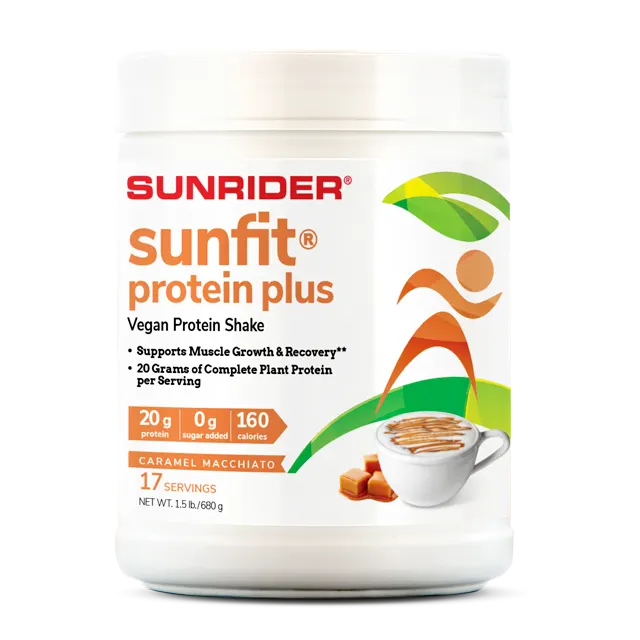
Sunrider's protein is a pea-and-rice base at 20 grams per serving, made in facilities the company owns end to end — farms, extraction, manufacturing. That vertical control is the reason we recommend it over a contract-manufactured tub with a nicer label.
Pair it with a whole-food shake for micronutrient coverage. Protein powder is protein; it is not a multivitamin, whatever the fortification panel says.
The clean-protein base we recommend: 20 g of pea-and-rice protein, plus a whole-food shake for the micronutrients protein powder does not cover.
Browse the full catalog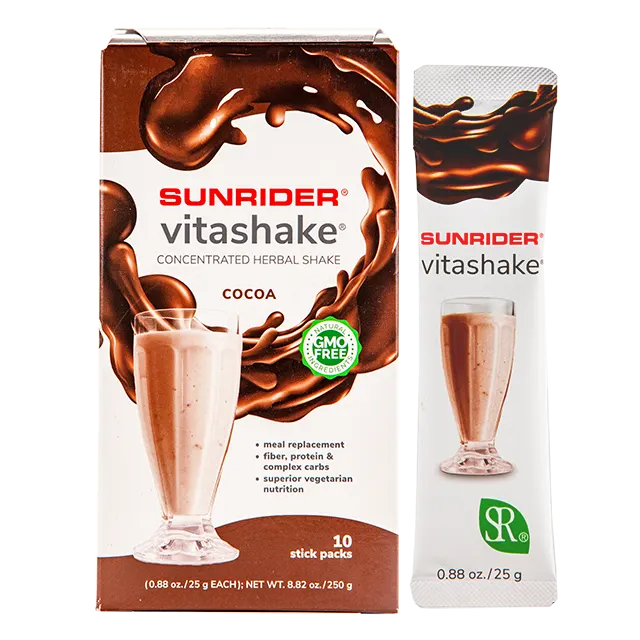
Frequently asked
- What is the cleanest protein powder?
- One with a named whole-food protein source, fewer than eight ingredients, a complete amino acid profile with roughly 2.5 g of leucine per serving, and third-party heavy metal testing on the batch. The specific brand matters less than those four checks.
- Is plant protein as good as whey?
- A blended plant protein is comparable to whey for muscle protein synthesis when the leucine content matches, which usually means a slightly larger serving. Single-source plant proteins fall short.
- Should I worry about heavy metals in protein powder?
- Enough to check for third-party batch testing, not enough to avoid protein powder. The dose from one daily serving of a tested product is well within accepted intake limits.
- How much protein powder per day is safe?
- One to two servings a day is unremarkable for healthy adults. Powder is a convenience for hitting a total intake target of roughly 0.7 to 1.0 grams per pound of body weight, not a food group.
Put it into practice
Browse whole-food herbal nutrition, clean beauty, and non-toxic home essentials — or explore building a wellness business of your own.
Keep reading
Ready to order?
Every product mentioned ships direct from Sunrider at official pricing with the manufacturer guarantee.
SunFit® Protein Plus | Pea & Rice Protein — $76.74 · SKU 0154134 · in stock, ships from Sunrider