

Best Type of Creatine: Monohydrate vs HCL, Buffered and the Rest
Is micronized creatine better than regular?
Creatine monohydrate is the best form for almost everyone. It has the overwhelming majority of the research behind it, costs the least per gram, and no alternative form has been shown to outperform it in head-to-head trials. Creatine HCL dissolves more easily and may sit better with sensitive stomachs, but its claimed dose advantage is unsupported. Buffered creatine, ethyl ester, liquid creatine and most gummies either match monohydrate at higher cost or perform measurably worse. Choose micronized monohydrate with third-party testing such as Informed Choice or NSF.
- Monohydrate: most studied, cheapest per gram, the default choice
- Micronized monohydrate: same molecule, mixes better, small price premium
- HCL: better solubility, no proven performance advantage, costs more
- Ethyl ester and liquid creatine: measurably worse — avoid
- Look for third-party testing (Informed Choice, NSF Certified for Sport)
What is the best form of creatine?
Creatine monohydrate, ideally micronized. It has the deepest research base, the lowest cost per gram, and nothing has beaten it in direct comparisons.
Is creatine HCL better than monohydrate?
It dissolves more readily and may be gentler on sensitive stomachs, but no study shows superior strength or muscle outcomes. You pay more for convenience, not results.
Do creatine gummies work?
They can, if the label dose is accurate and you eat enough to reach 3–5 grams. Independent testing has repeatedly found gummies under-dosed, so verify the brand's third-party results.
How do I know a creatine product is clean?
Look for third-party certification such as Informed Choice or NSF Certified for Sport, a single-ingredient label, and a stated Creapure or equivalent source.
Whatever creatine you choose, what you mix it into matters. These clean, whole-food shakes make a good daily vehicle.
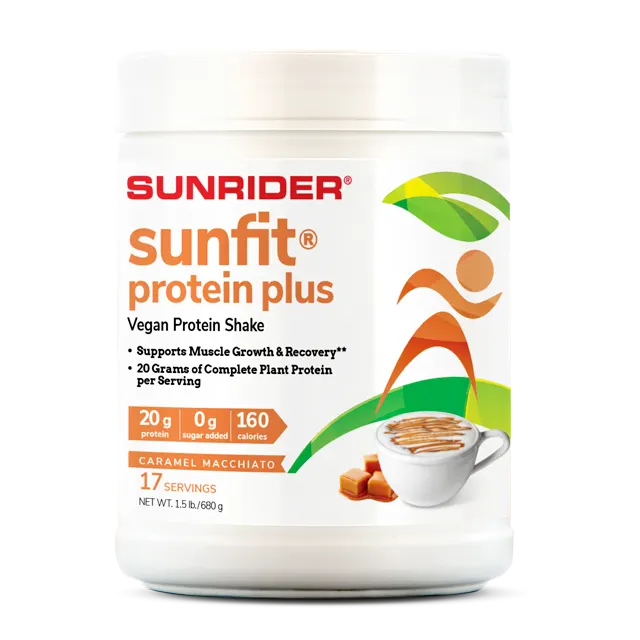
SunFit® Protein Plus | Pea & Rice Protein
$76.74Buy now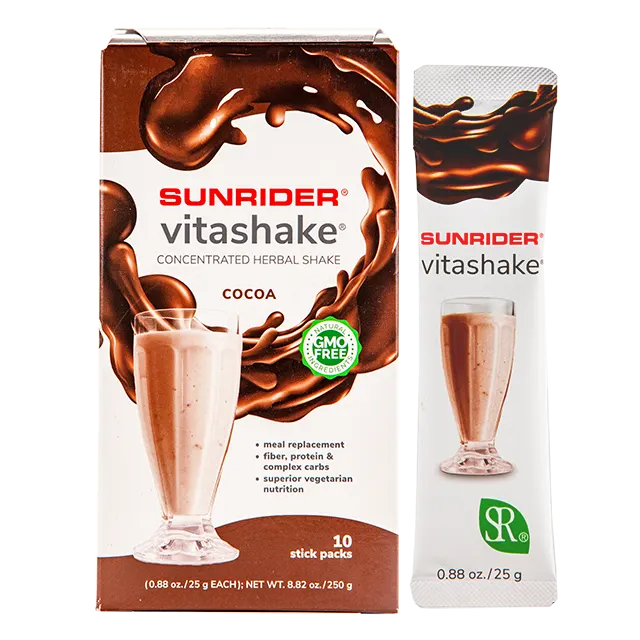
VitaShake®
$38.31Buy now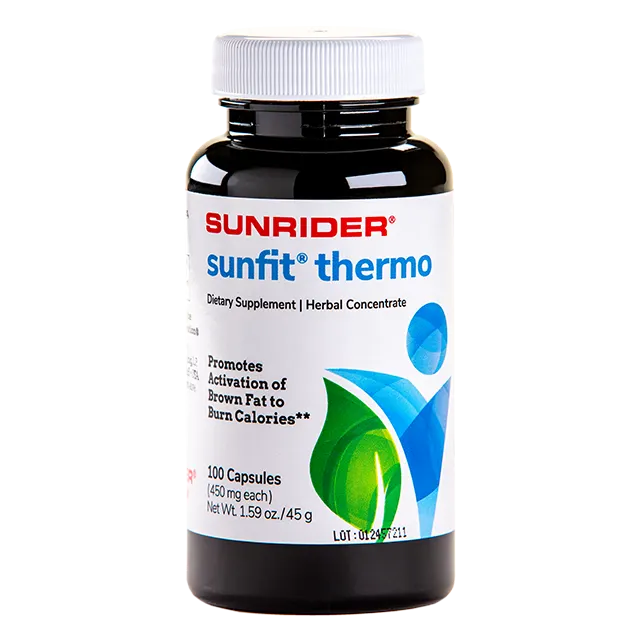
SunFit® Thermo
$95.18Buy now

The creatine aisle has more variants than the science justifies. Almost every premium format is competing against a cheap white powder that already works.
Why monohydrate keeps winning
Monohydrate is roughly 88% creatine by weight, absorbs nearly completely, and has hundreds of trials behind it. Every claim other forms make is measured against monohydrate — and none has surpassed it.
It is also the cheapest option by a wide margin, often five to ten times cheaper per effective gram than boutique formats.
| Form | Evidence | Verdict |
|---|---|---|
| Monohydrate | Extensive | Best choice for nearly everyone |
| Micronized monohydrate | Same as monohydrate | Worth the small premium for mixability |
| HCL | Limited | Fine if monohydrate upsets your stomach |
| Buffered (Kre-Alkalyn) | Equal or worse | No advantage, higher cost |
| Ethyl ester | Worse | Avoid — degrades to creatinine |
| Liquid creatine | Worse | Unstable in solution — avoid |
| Gummies | Format-dependent | Only with verified dosing |
Creatine HCL: the reasonable alternative
HCL's selling point is solubility. If undissolved monohydrate genuinely bothers your stomach, HCL is a defensible upgrade.
Ignore the 'you only need 750 mg' marketing. Better solubility in a glass does not mean more creatine reaches your muscle.
Gummies, liquids and other formats
Creatine degrades to creatinine in solution, which is why pre-mixed liquid creatine is a poor buy. Gummies are more stable but frequently mis-dosed relative to their label claims.
If you like the format, choose a brand publishing third-party assays and check how many gummies deliver a full 5 grams.
How to read the label
The ideal label is short: creatine monohydrate, nothing else, with a certification mark. Proprietary blends hide dosing and usually mean less creatine than you think.
Cost per effective gram is the number to compare. Divide the price by total grams of creatine in the tub, not by servings.
- One ingredient, listed by weight
- Informed Choice or NSF Certified for Sport mark
- Creapure or another named source is a good sign
- Compare cost per gram, not per serving
Whatever creatine you choose, what you mix it into matters. These clean, whole-food shakes make a good daily vehicle.
SunFit® Protein Plus | Pea & Rice Protein
$76.74Buy nowVitaShake®
$38.31Buy nowSunFit® Thermo
$95.18Buy now
Frequently asked
- Is micronized creatine better than regular?
- It is the same molecule ground finer, so it mixes more easily. Performance is identical.
- Is expensive creatine worth it?
- Rarely. Beyond third-party testing, higher price mostly buys branding or a format with less evidence.
- Does creatine expire?
- Dry monohydrate is stable for years when stored cool and dry. Liquid creatine degrades quickly.
- Can I take creatine with other supplements?
- Yes — protein, electrolytes and caffeine all combine fine with creatine.
Put it into practice
Browse whole-food herbal nutrition, clean beauty, and non-toxic home essentials from Sunrider's own farms and labs.
Keep reading
Ready to order?
Everything here ships direct from Sunrider at official pricing, with the manufacturer guarantee — no marketplace reseller in between.
SunFit® Protein Plus | Pea & Rice Protein — $76.74 · SKU 0154134 · in stock, ships from Sunrider