

Creatine Side Effects: What's Real, What's Myth and Who Should Be Careful
Is creatine safe for healthy adults?
For healthy adults, creatine monohydrate at 3–5 grams a day has an excellent safety record across decades of research, with no demonstrated harm to kidney or liver function. The real, common side effects are mild: temporary water retention of 1–2 kg in the first weeks, and stomach discomfort when large doses are taken at once or on an empty stomach. Both are avoidable by skipping the loading phase, taking creatine with food, and staying hydrated. People with existing kidney disease, those on nephrotoxic medication, and anyone pregnant or nursing should consult a clinician first.
- Real: 1–2 kg of intracellular water weight in the first weeks
- Real: stomach upset from large single doses or empty-stomach dosing
- Myth: kidney damage in healthy adults — creatinine rises, function does not decline
- Myth: hair loss — based on one unreplicated small study
- Caution: kidney disease, nephrotoxic medication, pregnancy or nursing
What are the actual side effects of creatine?
Mild water retention of one to two kilograms and, for some people, stomach discomfort. Both are dose-related and usually disappear at 3–5 grams taken with food.
Is creatine bad for your kidneys?
Not in healthy adults. Creatine raises blood creatinine — a marker, not a cause of damage — while measured kidney function stays normal in long-term studies. People with existing kidney disease should ask a clinician first.
Does creatine cause hair loss?
There is no good evidence that it does. The claim traces to a single 2009 study of 20 rugby players that measured a hormone marker, not hair loss, and has never been replicated.
Does creatine make you bloated or puffy?
It draws water into muscle cells, which can add a kilogram or two on the scale but does not cause the subcutaneous puffiness people imagine. Skipping the loading phase largely avoids it.
Is creatine safe long term?
Studies running up to five years at maintenance doses show no adverse effects on kidney, liver or cardiovascular markers in healthy adults.
Hydration and mineral balance is what keeps the first weeks of creatine comfortable. These are the electrolyte and whole-food formulas we recommend alongside it.
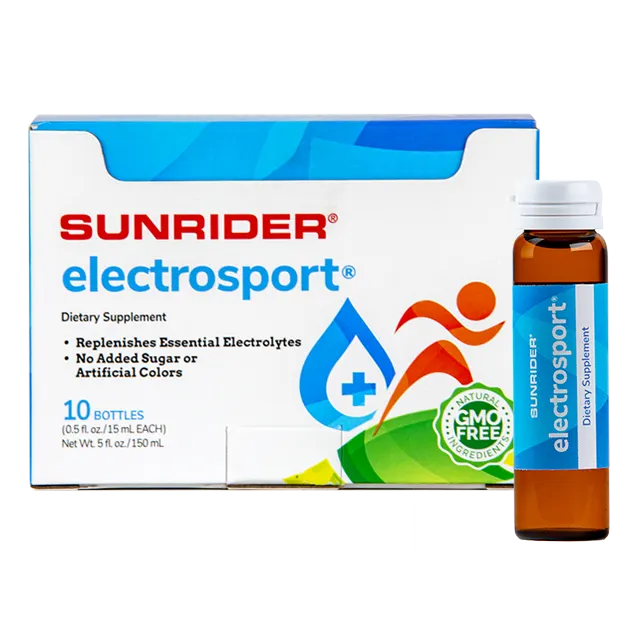
Electrosport®
$47.64Buy now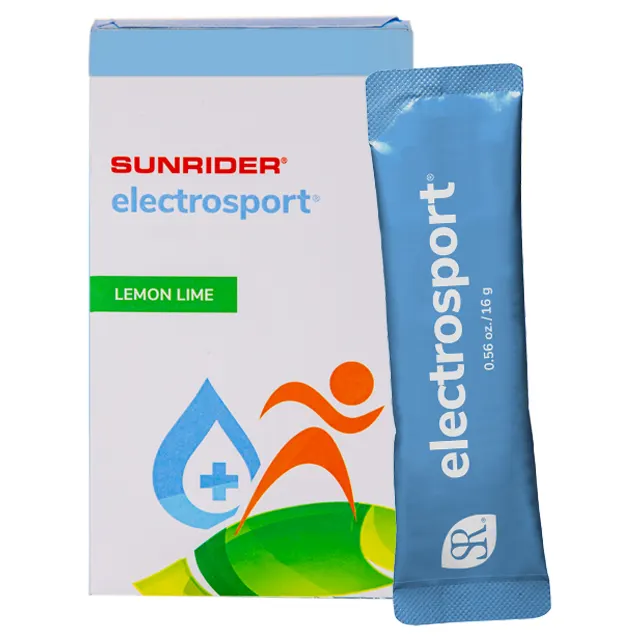
ElectroSport® Powder
$35.14Buy now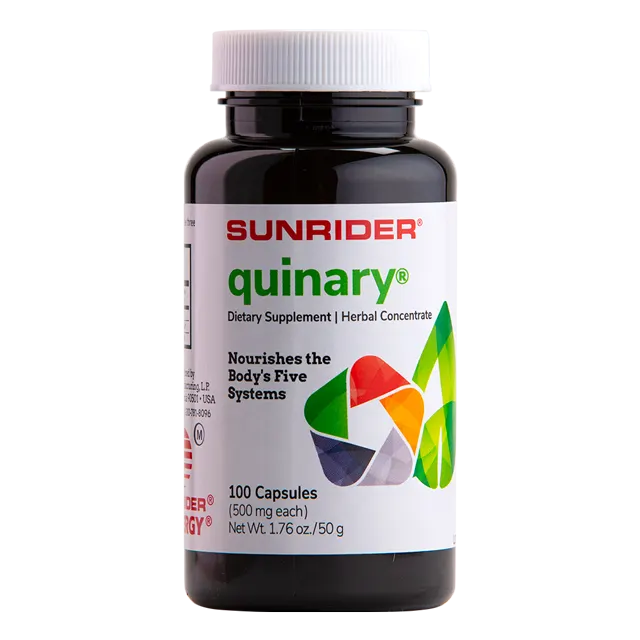
Quinary®
$53.59Buy now

Creatine has been studied more thoroughly than almost any supplement on the market, which means we can be unusually specific about what it does and does not cause.
The side effects that are genuinely common
Two show up consistently: a small increase in body water held inside muscle cells, and gastrointestinal discomfort in people who take large doses at once.
Both are dose- and timing-related rather than intrinsic to creatine. Move to 3–5 g a day with a meal and the vast majority of complaints disappear.
The kidney question, answered properly
Creatine breaks down into creatinine, which is exactly what standard kidney panels measure. Supplementing raises that number without any change in actual filtration, which is why an uninformed blood test can look alarming.
Long-term trials measuring glomerular filtration rate directly show no decline in healthy adults. Tell your doctor you supplement creatine before a kidney panel so the result is interpreted correctly.
Hair loss, acne and other internet claims
The hair-loss claim comes from a 2009 study in which DHT rose in a small group of rugby players over three weeks. Hair loss itself was never measured, and no replication has confirmed the finding.
Acne, cramping and dehydration claims fare worse still — controlled studies generally show creatine users experience the same or fewer cramps than placebo groups.
Water weight versus bloating
The water creatine attracts sits inside muscle cells, not under the skin. The visual effect is fuller muscles rather than a soft appearance.
If the scale movement bothers you, skip loading. Starting at 5 g a day spreads the same water gain across a month so it is barely noticeable.
- Skip the loading phase to avoid rapid scale changes
- Take with food to avoid stomach upset
- Drink to thirst — no need to force extreme water intake
- Choose micronized monohydrate if undissolved grit bothers your stomach
Long-term use and who should be cautious
Trials up to five years long support continuous daily use in healthy adults. Purity matters more than duration: choose a product with third-party testing to avoid contaminants.
Talk to a clinician before starting if you have kidney disease, take medication affecting kidney function, are pregnant or nursing, or are under 18.
Hydration and mineral balance is what keeps the first weeks of creatine comfortable. These are the electrolyte and whole-food formulas we recommend alongside it.
Electrosport®
$47.64Buy nowElectroSport® Powder
$35.14Buy nowQuinary®
$53.59Buy now
Frequently asked
- Is creatine safe for healthy adults?
- Yes. At 3–5 g daily it has one of the strongest safety records of any supplement, with trials running up to five years.
- Why did my creatinine go up on a blood test?
- Supplementing raises creatinine, the breakdown product creatine panels measure. Kidney filtration itself is unaffected — tell your doctor you supplement.
- How do I avoid creatine bloating?
- Skip the loading phase, take 3–5 g a day with food, and maintain normal hydration.
- Can teenagers take creatine?
- Research in adolescent athletes is limited. Anyone under 18 should only use it with a clinician's guidance.
Put it into practice
Browse whole-food herbal nutrition, clean beauty, and non-toxic home essentials from Sunrider's own farms and labs.
Keep reading
Ready to order?
Everything here ships direct from Sunrider at official pricing, with the manufacturer guarantee — no marketplace reseller in between.
Electrosport® — $47.64 · SKU 2405534 · in stock, ships from Sunrider