

Clean Beauty and Non-Toxic Skincare: What the Label Actually Means
How do I read an INCI ingredient list?
'Clean beauty' has no legal definition, so the term tells you about a brand's positioning rather than its safety. What is useful is a short, specific avoid-list — added synthetic fragrance (the most common cause of contact dermatitis), certain preservatives you may prefer to skip, and heavy occlusives that don't suit your skin — combined with reading the INCI list, where ingredients appear in descending order of concentration. A genuinely good routine is short: a gentle cleanser, a hydrating layer, a moisturiser, and daily sunscreen. Ingredient count is not a safety metric, and 'natural' is not a synonym for gentle — essential oils are natural and are among the most frequent irritants.
- 'Clean' is marketing language, not a regulated standard
- Fragrance is the single most common irritant on a label
- INCI lists are ordered by concentration — read the first five
- Natural does not mean gentle; essential oils irritate many people
- Four steps beat twelve: cleanse, hydrate, moisturise, protect
What does 'non-toxic skincare' actually mean?
In practice it means a brand has chosen to exclude a self-selected list of ingredients — commonly parabens, phthalates, sulfates, and synthetic fragrance. No regulator defines the term, so the exclusion list matters more than the label.
Which skincare ingredients are genuinely worth avoiding?
For most people the highest-value exclusions are added synthetic fragrance and denatured alcohol high on the list. Beyond that, avoidance should be driven by your own skin's reactions rather than by a viral list.
Is natural skincare better than synthetic?
Not automatically. Plenty of synthetic ingredients — glycerin, hyaluronic acid, mineral sunscreen filters — are exceptionally well tolerated, while natural essential oils are among the most common causes of irritation.
What is the simplest effective non-toxic routine?
Gentle cleanser at night, a hydrating layer while skin is damp, a moisturiser to seal it, and broad-spectrum sunscreen every morning. Add actives only after that base is boring and stable.
The three products that make up the base of a food-grade routine: a foaming cleanser that doesn't strip, a hydrating gel cream, and an eye cream you'll actually keep using.
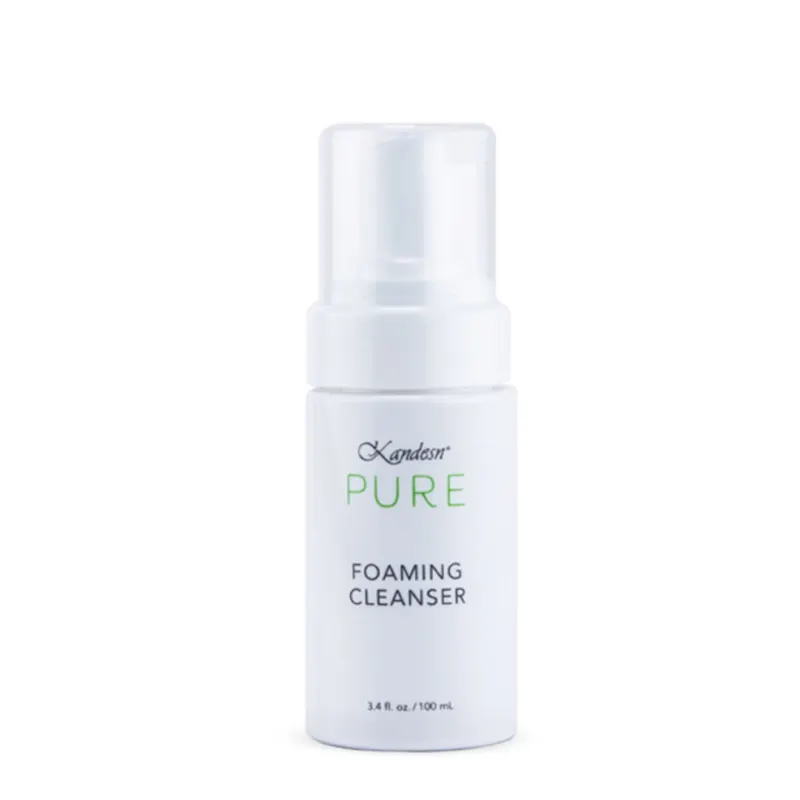
Kandesn® Pure Foaming Cleanser
$37.80Buy now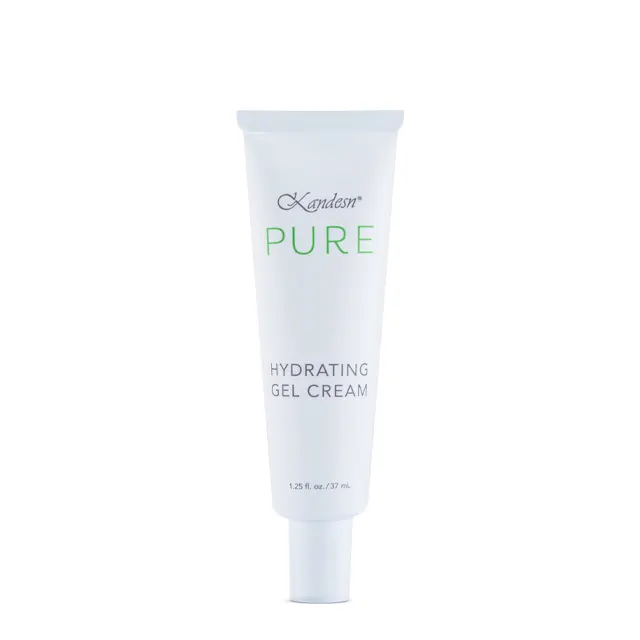
Kandesn® Pure Hydrating Gel Cream
$49.81Buy now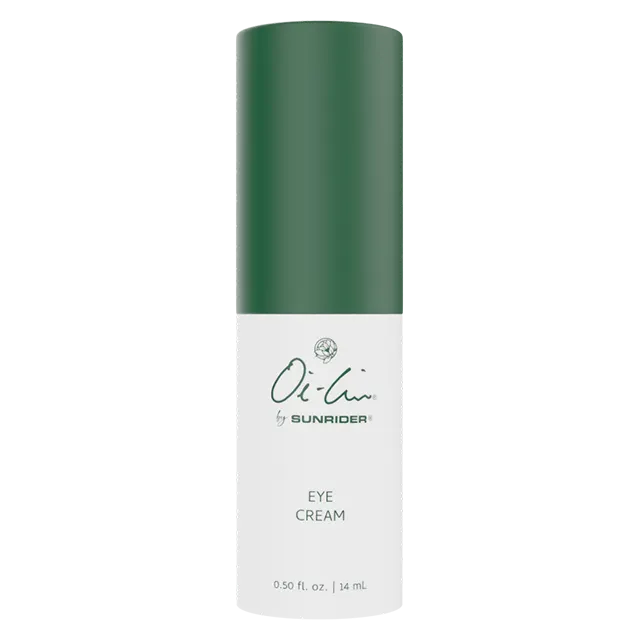
Oi-Lin® Eye Cream
$82.24Buy now

Clean beauty is one of the least regulated phrases in retail. That doesn't make it useless — it makes it something you have to define for yourself, ingredient by ingredient.
Why 'clean' is a marketing word
No agency anywhere defines 'clean beauty'. Each retailer publishes its own exclusion list, and those lists disagree with each other. So the label alone tells you nothing verifiable; the published exclusion list tells you quite a lot.
The productive move is to stop shopping by badge and start shopping by ingredient list. It takes about thirty seconds per product once you know what you're looking at.
A short, defensible avoid-list
Dermatology consistently identifies added fragrance as the leading cause of cosmetic contact dermatitis. If you only make one change, make it that one. High-placement denatured alcohol is the second most common reason a product stings and then leaves skin worse.
Beyond those, be led by evidence and by your own skin rather than by whichever ingredient is currently trending on social media. An ingredient being difficult to pronounce is not a safety signal.
- Added synthetic fragrance / parfum — top irritant
- Alcohol denat. in the first five ingredients
- Essential-oil-heavy formulas if you are reactive
- Physical scrubs with sharp particles
Natural is not the same as gentle
Citrus oils, peppermint, and lavender are natural and are frequent sensitisers. Meanwhile glycerin, hyaluronic acid, and zinc oxide are exceptionally well tolerated. The relevant question is never natural versus synthetic; it is well-tolerated versus not, for your skin.
Where botanical formulation genuinely shines is in the base: plant oils and herbal extracts as the bulk of the formula rather than as a token 0.1% at the end of the list.
Building a four-step routine
Cleanse at night with something that leaves skin comfortable rather than squeaky. Apply a hydrating layer to damp skin, seal with a moisturiser, and wear broad-spectrum sunscreen every morning. That is the entire evidence-backed core.
Give any new routine six to eight weeks before judging it, and change one product at a time. If you change four things and your skin reacts, you have learned nothing.
The three products that make up the base of a food-grade routine: a foaming cleanser that doesn't strip, a hydrating gel cream, and an eye cream you'll actually keep using.
Kandesn® Pure Foaming Cleanser
$37.80Buy nowKandesn® Pure Hydrating Gel Cream
$49.81Buy nowOi-Lin® Eye Cream
$82.24Buy now
Frequently asked
- How do I read an INCI ingredient list?
- Ingredients are listed in descending order of concentration down to 1%, after which order is arbitrary. The first five ingredients define the product.
- Are parabens actually dangerous?
- Regulatory bodies consider the parabens still in use safe at cosmetic concentrations. Many people prefer to avoid them anyway, which is a reasonable personal choice rather than a safety necessity.
- How long should a clean skincare routine take to work?
- Skin turnover means six to eight weeks for a fair assessment of a moisturiser or cleanser, and up to twelve for actives.
Put it into practice
Browse whole-food herbal nutrition, clean beauty, and non-toxic home essentials from Sunrider's own farms and labs.
Keep reading
Ready to order?
Everything here ships direct from Sunrider at official pricing, with the manufacturer guarantee — no marketplace reseller in between.
Kandesn® Pure Foaming Cleanser — $37.80 · SKU 0153334 · in stock, ships from Sunrider