

Gut Detox and Microbiome Reset: A 14-Day Plan That Isn't a Cleanse
How long does it take to improve gut health?
A real 'gut detox' is a microbiome reset, not a cleanse: for 14 days, eat 30+ different plant foods per week (fiber diversity is the strongest dietary predictor of microbiome diversity), add a fermented food daily, cut alcohol and artificial sweeteners, and consider a probiotic and whole-food fiber supplement to bridge the gap. The American Gut Project found that people eating 30+ plant types weekly had markedly more diverse gut bacteria than those eating 10 or fewer — and diversity is the single best marker of gut health. Laxative 'gut cleanses' do the opposite: they strip the gut without rebuilding anything.
- 30+ different plant foods per week predicts microbiome diversity
- One fermented food daily: yogurt, kefir, kimchi, sauerkraut
- Cut alcohol and artificial sweeteners for the 14 days
- Probiotics and whole-food fiber bridge the gap
- Laxative cleanses strip the gut without rebuilding it
How do you reset your gut microbiome?
Two weeks of fiber diversity (30+ plant foods per week), daily fermented food, no alcohol or artificial sweeteners, and adequate sleep. The American Gut Project linked 30+ weekly plant types to significantly greater microbiome diversity.
Do gut cleanses work?
No. Laxative-based gut cleanses empty the colon temporarily and can disturb the bacteria you're trying to help. The evidence-based version is feeding the microbiome — diverse fiber and fermented foods — not flushing it.
VitaDophilus supplies live probiotic cultures, Fibertone adds whole-food fiber, and Evergreen covers the green-food side — the three-piece kit for the reset.
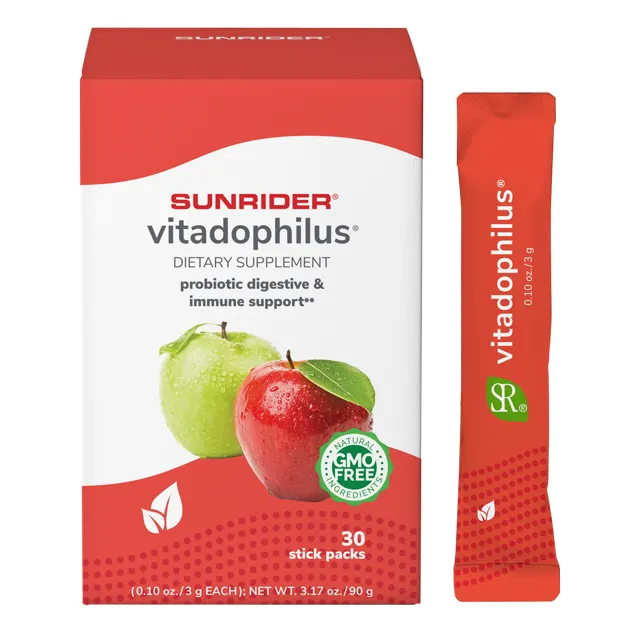
VitaDophilus®
$41.16Buy now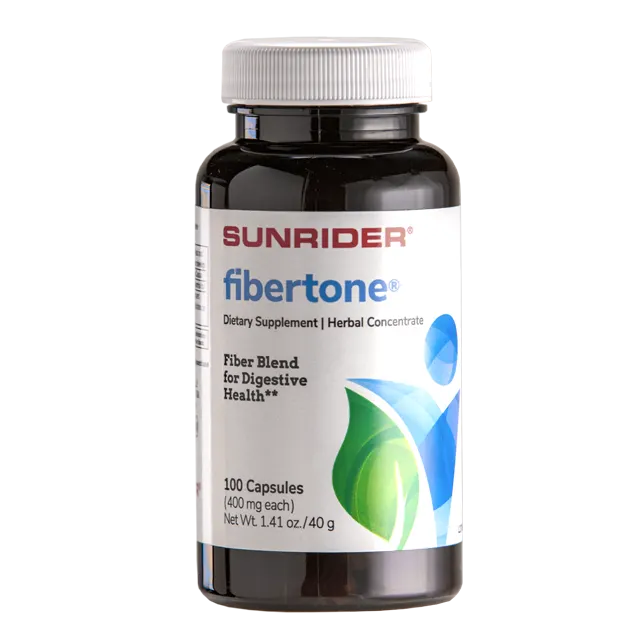
Fibertone®
$29.01Buy now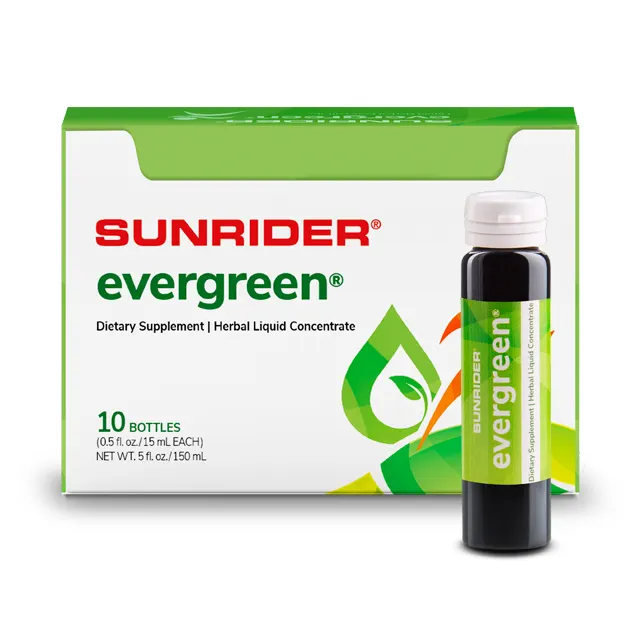
Evergreen®
$50.71Buy now
Gut health searches are dominated by cleanses and flushes. The actual science points the other way: your microbiome doesn't need emptying, it needs feeding. This is the two-week plan built on what gut research actually shows.
The 14-day reset
Days 1–14, four rules. First, fiber diversity: aim for 30 different plant foods across the week — vegetables, fruits, legumes, whole grains, nuts, seeds, herbs and spices all count. Second, one fermented food daily. Third, zero alcohol and zero artificial sweeteners, both of which disturb gut bacteria. Fourth, sleep 7–9 hours — the microbiome has a circadian rhythm too.
Most people notice changes in digestion, bloating and energy within the two weeks. The deeper shifts in microbiome composition take longer, but the habits are the intervention — the 14 days are just the on-ramp.
Why diversity beats everything else
The American Gut Project — the largest citizen-science microbiome study — found that the number of different plant foods eaten per week was the single strongest dietary predictor of microbiome diversity. Not fiber grams, not supplements: variety. Each plant feeds different bacterial species, so a diverse plate builds a diverse gut, and a diverse gut is the resilient kind.
Where supplements fit
Supplements bridge gaps; they don't replace the plate. A live-culture probiotic like VitaDophilus is reasonable during a reset, especially after antibiotics. A whole-food fiber like Fibertone helps on days when 30 plants isn't happening. Concentrated green foods like Evergreen add the chlorophyll and phytonutrient side. Use them as the floor, not the ceiling.
VitaDophilus supplies live probiotic cultures, Fibertone adds whole-food fiber, and Evergreen covers the green-food side — the three-piece kit for the reset.
VitaDophilus®
$41.16Buy nowFibertone®
$29.01Buy nowEvergreen®
$50.71Buy now
Frequently asked
- How long does it take to improve gut health?
- Microbiome composition starts shifting within days of a diet change, but stable improvement takes weeks to months of consistent habits. Most people feel digestive changes within 1–2 weeks.
- What are the signs of an unhealthy gut?
- Common signs include bloating, irregular bowel movements, food intolerances that keep growing, low energy and frequent illness. Persistent symptoms deserve a doctor, not a cleanse.
- Should you take probiotics every day?
- They can help during a reset or after antibiotics, but fermented foods plus diverse fiber are the more proven daily strategy. Think of probiotics as support, not the foundation.
Put it into practice
Browse whole-food herbal nutrition, clean beauty, and non-toxic home essentials from Sunrider's own farms and labs.
Keep reading
Ready to order?
Everything here ships direct from Sunrider at official pricing, with the manufacturer guarantee — no marketplace reseller in between.
VitaDophilus® — $41.16 · SKU 0179634 · temporarily out of stock