
How to Read a Supplement Label Like the Person Who Formulated It

Read a supplement label in this order: serving size, then the proprietary blend line, then the position of each ingredient in the list, then the testing statement. Four checks, about ninety seconds, and they catch the large majority of products that cannot work as advertised.
Check the serving size before anything else
Every number on the panel is per serving, and serving sizes are chosen by the manufacturer. A tub advertising 30 grams of protein at a 45-gram serving is a different product from one at a 35-gram serving, and the front of the package will not tell you which you are holding.
Then check servings per container against the price. This is how a product that looks cheaper on the shelf turns out to cost twice as much per day.
Proprietary blends hide the doses that matter
A proprietary blend gives one total weight for a list of ingredients in descending order. If the blend is 500 mg and lists eight ingredients, the last several are present in single-digit milligrams — well below any dose that has been studied.
This practice, called fairy dusting, exists so the label can name an impressive ingredient without paying for a functional amount of it. Ingredients are legally listed in descending order by weight, so an ingredient near the end of a blend is present in trace quantity, full stop.
- Named ingredient with a specific milligram dose: verifiable
- Named ingredient inside a proprietary blend: unverifiable, assume the minimum
- Ingredient listed after the flavoring or anti-caking agent: trace
- "Clinically studied ingredient": the ingredient was studied, not this product at this dose
Percent Daily Value inflation
A 5,000% Daily Value on a B vitamin costs the manufacturer almost nothing and looks like potency. For water-soluble vitamins it mostly produces expensive urine; for fat-soluble ones it is a reason for genuine caution.
Very high %DV numbers are usually a sign the formulator is buying the cheapest possible perception of value.
Who actually made it
Most supplement brands do not manufacture anything. They buy from a contract manufacturer, choose a label, and market. That is not inherently bad, but it means the brand cannot answer questions about soil, extraction or batch consistency, because it does not have that information.
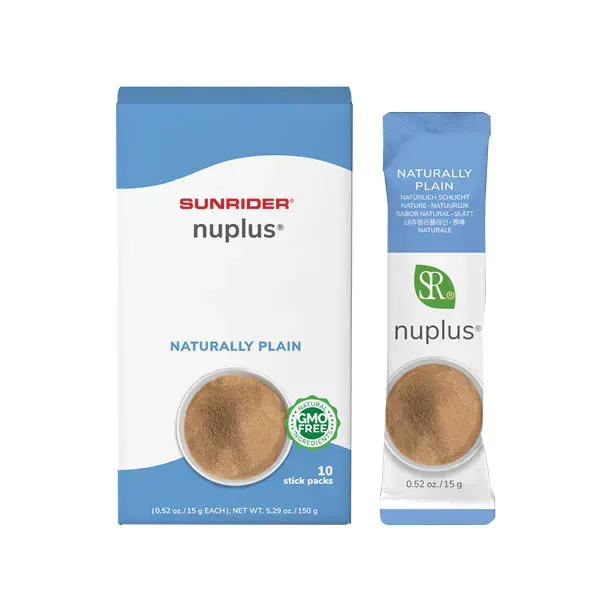
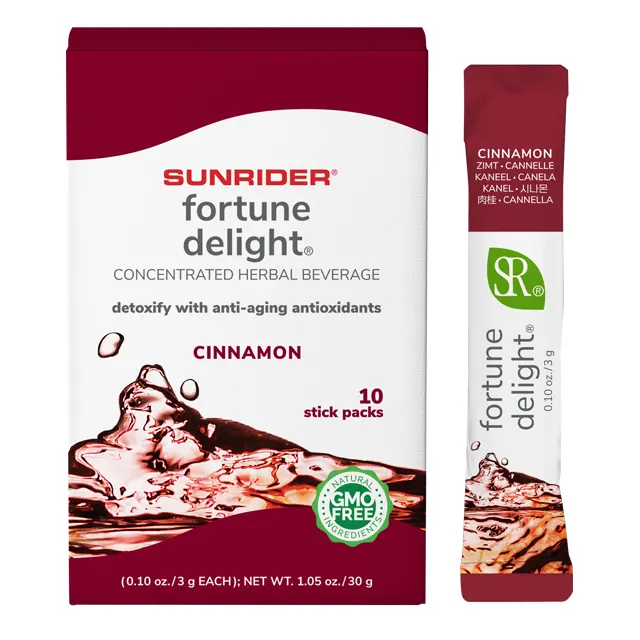
Companies that own their farms, extraction facilities and manufacturing can answer those questions. Sunrider is one of the few in this category, operating its own farms and production since 1982 — which is the reason we work with them rather than a brand assembled from spot-market ingredients.
Testing statements worth trusting
"Third-party tested" with a named lab and per-batch certificates is meaningful. "Manufactured in a GMP facility" is a baseline legal requirement, not a distinction. "Doctor formulated" is a marketing phrase with no defined meaning.
If a company will not tell you which lab tests its batches, treat the claim as absent.
The ninety-second checklist
Serving size and servings per container. Any proprietary blends. Where the headline ingredient sits in the list. Named third-party testing. If a product passes all four, the remaining question is only whether you need it.
Whole-food concentrates with no proprietary blends, made by a manufacturer that owns its farms and production end to end.
Browse the full catalog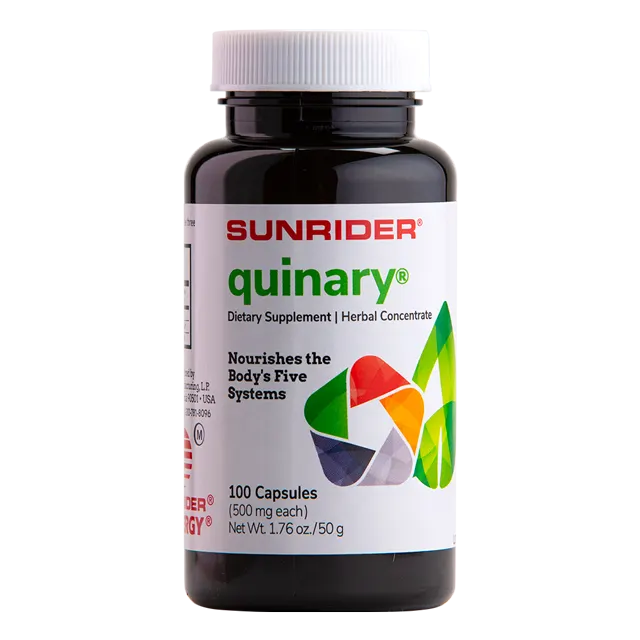
Frequently asked
- What is a proprietary blend on a supplement label?
- A single total weight covering several ingredients listed in descending order, with no individual doses disclosed. Assume every ingredient after the first two is present in a trace amount that has not been studied at that level.
- What does fairy dusting mean in supplements?
- Adding an impressive-sounding ingredient in an amount far below any studied dose, purely so it can appear on the label. Proprietary blends are the usual mechanism for hiding it.
- Does a high percent Daily Value mean a supplement is better?
- No. High %DV on water-soluble vitamins is cheap to add and largely excreted. It signals cost-driven formulation more often than quality.
- How can I tell if a supplement is third-party tested?
- The company names the testing laboratory and can produce a certificate of analysis for the specific batch. Generic phrases like GMP-certified or lab-tested without a named lab do not qualify.
Put it into practice
Browse whole-food herbal nutrition, clean beauty, and non-toxic home essentials — or explore building a wellness business of your own.
Keep reading
Ready to order?
Every product mentioned ships direct from Sunrider at official pricing with the manufacturer guarantee.
NuPlus® — $32.64 · SKU 0186734 · temporarily out of stock