
Longevity Foods and Herbs: What Actually Has Evidence Behind It
What is the healthiest food for longevity?
The foods with the strongest human evidence for healthy ageing are the unglamorous ones: legumes, cruciferous and leafy vegetables, whole grains, nuts, olive oil, fermented foods, and green tea. The common mechanisms are fibre (feeding short-chain-fatty-acid-producing gut bacteria), polyphenol diversity, and displacing ultra-processed food. Among herbs, green tea catechins, ginseng, eleuthero (Ci Wu Jia), turmeric and reishi have the most supportive human data, generally for inflammatory markers, glucose control, cognition or fatigue rather than lifespan. Food-form and whole-herb preparations are the more defensible way to take them, because isolated high-dose extracts frequently fail to reproduce the effects observed with whole foods.
- Fibre and plant diversity are the strongest dietary signals in ageing cohorts
- Green tea catechins have consistent cardiometabolic data
- Adaptogens (ginseng, eleuthero) have fatigue and stress-response data, not lifespan data
- Fermented foods support microbiome diversity, which declines with age
- Whole-food form generally outperforms isolated high-dose extracts
What foods help you live longer?
Legumes, leafy and cruciferous vegetables, whole grains, nuts, olive oil, fermented foods and green tea appear consistently across Blue Zone observations, Mediterranean trials and large prospective cohorts. The shared features are high fibre, high polyphenol diversity, and displacement of ultra-processed food.
Which herbs are best for longevity?
Green tea, ginseng, eleuthero (Ci Wu Jia), turmeric and reishi have the most supportive human research — mostly on inflammation, glucose control, fatigue and cognition. No herb has demonstrated lifespan extension in humans.
Are whole foods better than supplements for ageing?
Generally yes. Trials of isolated nutrients (beta-carotene, vitamin E, high-dose antioxidants) have repeatedly failed to reproduce the benefits seen in whole-food cohort studies, and a few showed harm. The food matrix appears to matter.
How much fibre should you eat for healthy ageing?
At least 25–30 g per day, and higher is generally better. Most adults in Western countries eat roughly half that, and fibre intake is one of the most consistent predictors of cardiometabolic and gut health in ageing cohorts.
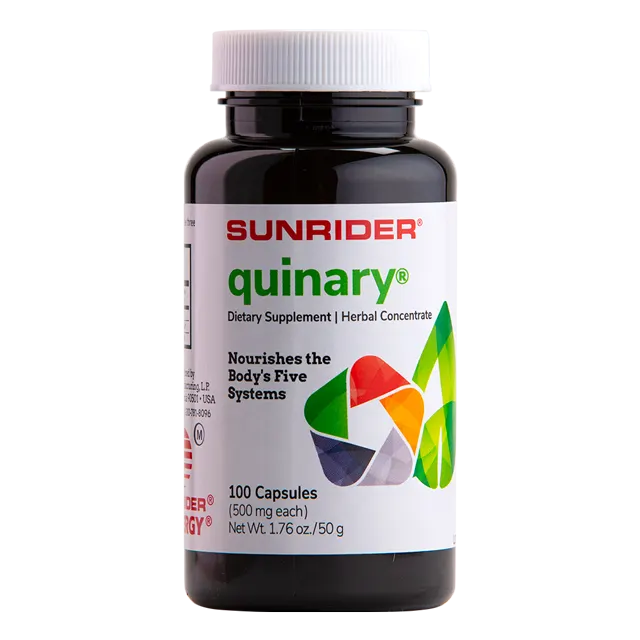
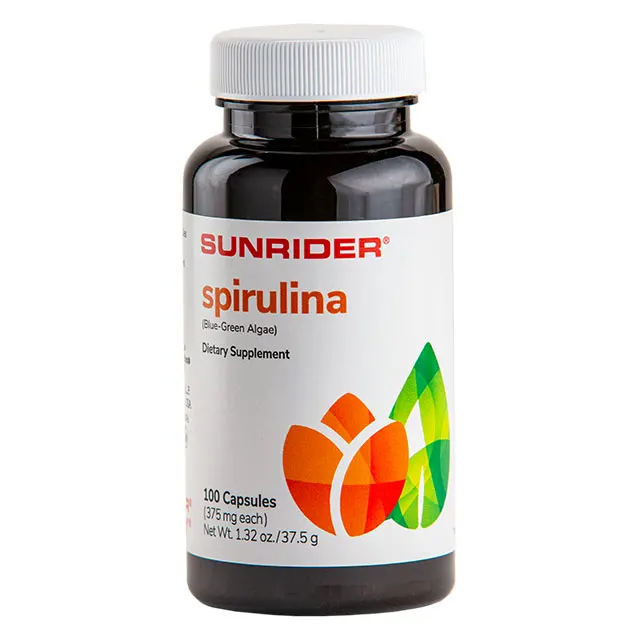
Herbal density in food form: a five-system whole-herb blend, a daily polyphenol-rich tea, and a whole algae food. These are the everyday habits, not the heroic dose.
Browse the full catalog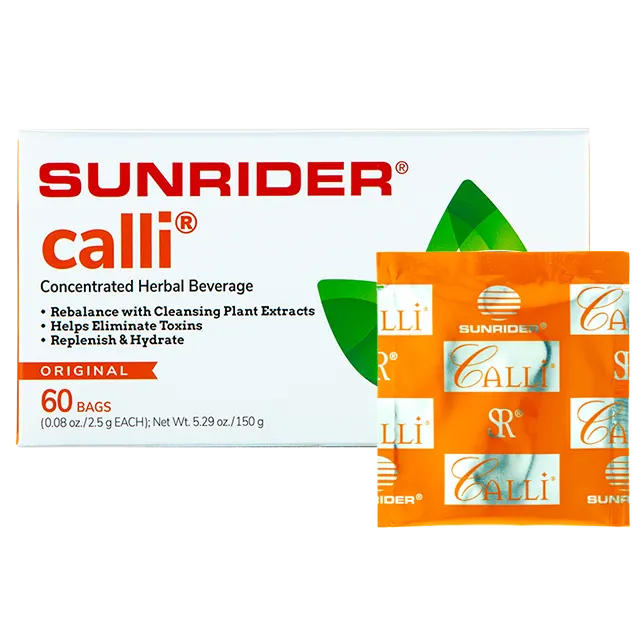
There is no longevity food. There is a longevity pattern, and a handful of herbs with credible human data for the things that erode with age — inflammation, glucose control, energy and cognition. Here is what survives scrutiny.
The foods with the best data
Across the Mediterranean PREDIMED trial, Blue Zone observational work and large prospective cohorts, the same categories recur: legumes, leafy and cruciferous vegetables, whole grains, nuts, olive oil, and fermented foods.
Fibre is the most reproducible single lever. Adults eating 25–30+ g per day show lower cardiovascular and all-cause mortality across meta-analyses, and the plausible mechanism is short-chain fatty acid production by gut bacteria — which also declines with age as microbiome diversity falls.
- Legumes: the single most common food across long-lived populations
- Cruciferous vegetables: sulforaphane and Nrf2 pathway activation
- Nuts: consistently associated with lower cardiovascular mortality
- Fermented foods: a Stanford trial linked them to increased microbiome diversity and lower inflammatory markers
- Green tea: catechin intake associated with lower cardiovascular mortality in Japanese cohorts
Herbs with human evidence
Green tea is the strongest case. In the Ohsaki cohort of over 40,000 Japanese adults, higher green tea consumption tracked with lower all-cause and cardiovascular mortality, with plausible catechin-driven mechanisms for endothelial function and lipid handling.
Panax ginseng and eleuthero (Ci Wu Jia) have randomized data for fatigue, subjective energy and stress response, generally modest in size. Turmeric/curcumin shows consistent reductions in inflammatory markers though bioavailability is a real limitation. Reishi and other medicinal mushrooms have immune-modulation data but small trials.
What none of them have is lifespan data in humans. Treat herbs as inputs to the daily pattern, not as interventions with their own longevity claim.
Why food form beats isolates
The cautionary trials are worth remembering. Beta-carotene supplementation increased lung cancer incidence in smokers in the ATBC and CARET trials. High-dose vitamin E failed to reduce cardiovascular events and increased all-cause mortality in some meta-analyses. In both cases the whole-food observational data had looked excellent.
The lesson is not that nutrients do not matter. It is that isolating one compound at a pharmacological dose is a different intervention from eating the food it came from, and the food matrix — fibre, cofactors, competing antioxidants, absorption kinetics — appears to be part of the effect.
This is the entire argument for whole-food herbal nutrition: concentrated foods rather than isolated actives, taken daily rather than cycled in high doses.
Building it into a normal week
Aim for 30 different plant foods per week rather than a perfect daily menu — herbs, spices, seeds and teas all count toward diversity, which is the metric that tracks best with microbiome health.
Attach herbs to existing habits: tea instead of the third coffee, a herbal food concentrate with breakfast, legumes as the default protein in two dinners. The habits that survive are the ones that replace something rather than add another step.
Herbal density in food form: a five-system whole-herb blend, a daily polyphenol-rich tea, and a whole algae food. These are the everyday habits, not the heroic dose.
Browse the full catalogFrequently asked
- What is the healthiest food for longevity?
- Legumes are the most consistent single food across long-lived populations, largely due to fibre, plant protein and their displacement of processed alternatives.
- Does green tea help you live longer?
- Large Japanese cohorts associate higher green tea intake with lower all-cause and cardiovascular mortality. As with all cohort data this is association rather than proof.
- Are adaptogens worth taking?
- For subjective fatigue and stress response, ginseng and eleuthero have modest randomized support. For longevity specifically, there is no human evidence.
- Should I take antioxidant supplements for anti-ageing?
- High-dose isolated antioxidant trials have generally failed and occasionally caused harm. Get antioxidants from a diverse whole-food diet instead.
Put it into practice
Browse whole-food herbal nutrition, clean beauty, and non-toxic home essentials from Sunrider's own farms and labs.
Keep reading
Ready to order?
Everything here ships direct from Sunrider at official pricing, with the manufacturer guarantee — no marketplace reseller in between.
Quinary® — $53.59 · SKU 2000134 · in stock, ships from Sunrider