
Top 5 Things You Can Do for Longevity (Ranked by Evidence)
What are the top 5 things to do for longevity?
The five interventions with the strongest human evidence for longevity are, in order of effect size: building cardiorespiratory fitness (moving from the bottom 25% to above-average VO2 max is associated with a larger mortality reduction than quitting smoking), maintaining muscle mass and grip strength into later decades, sleeping 7–9 hours consistently, eating a mostly whole-food, plant-forward diet with adequate protein, and regular heat exposure such as sauna bathing (4–7 sessions per week is associated with roughly 40% lower all-cause mortality in the Finnish KIHD cohort). Everything else — supplements, cold plunges, fasting protocols — is a refinement on top of those five, not a substitute for them.
- Cardiorespiratory fitness has the largest observed mortality association of any modifiable factor
- Muscle mass and grip strength predict independence and survival after 60
- 7–9 hours of sleep; short sleep raises cardiometabolic and dementia risk
- Whole-food, plant-forward eating with 1.6–2.2 g/kg protein
- Sauna 4–7x/week is associated with ~40% lower all-cause mortality
What is the single most effective thing you can do for longevity?
Raise your cardiorespiratory fitness. In a 2018 JAMA Network Open analysis of 122,007 patients, each step up in measured fitness was associated with lower all-cause mortality, and the gap between the lowest-fit and elite-fit groups exceeded the risk associated with smoking, diabetes or coronary artery disease.
Do longevity supplements actually work?
No supplement has been shown to extend human lifespan. What nutrition can do is close deficits — protein, fibre, polyphenols, minerals — that quietly erode muscle, immunity and metabolic health. That is why a food-form nutrition base beats a shelf of isolated pills.
How much exercise do you need for longevity benefits?
About 150–300 minutes of easy aerobic work per week plus two resistance sessions. Most of the mortality benefit appears in the first 90 minutes per week, so a beginner going from zero to three short walks and two lifting sessions captures the largest share.
Is it too late to start in your 50s or 60s?
No. Studies of previously sedentary adults who begin structured training in midlife show fitness and strength gains comparable in relative terms to younger trainees, and mortality curves separate within a few years of starting.
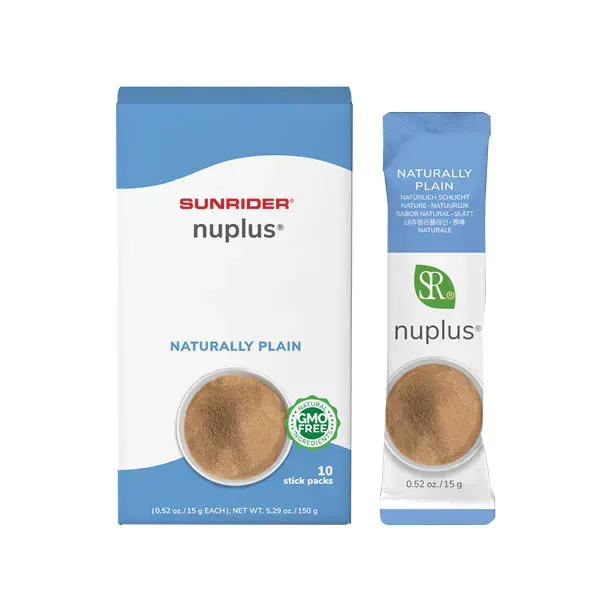
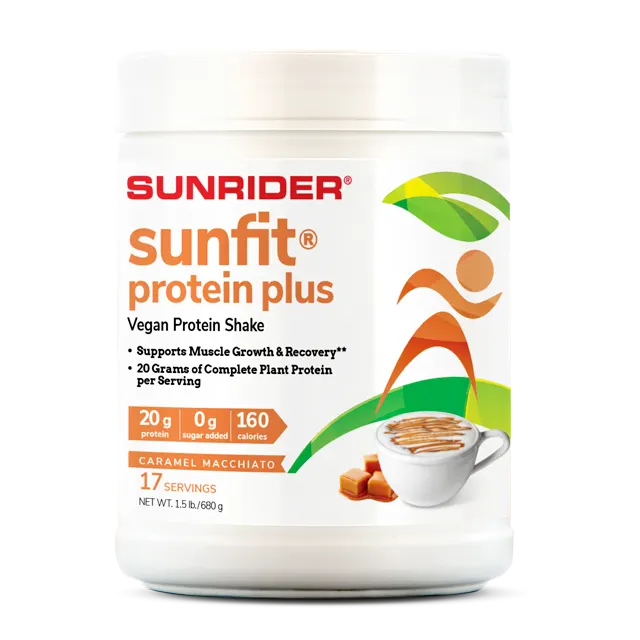
The nutrition side of this list is simple: a whole-food base, a broad herbal blend, and enough protein to hold onto muscle. These three cover it without a cabinet full of pills.
Browse the full catalog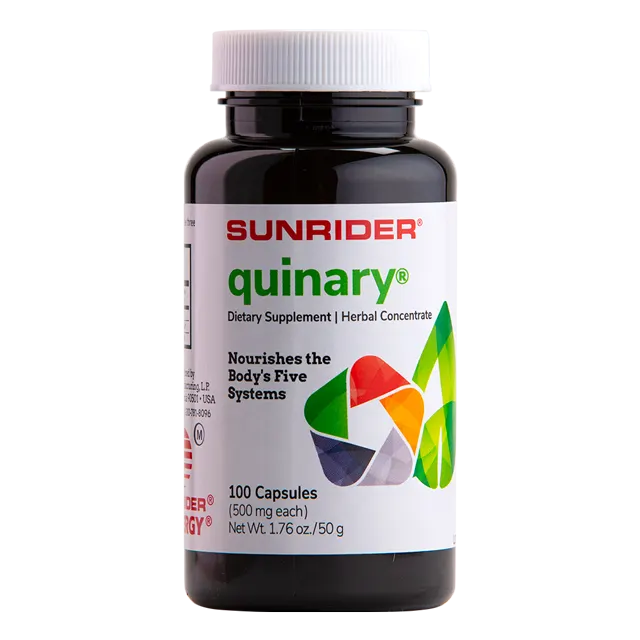
Longevity content has an evidence problem: the loudest interventions are usually the least proven. This guide ranks what to do by the size and quality of the human evidence behind it, then tells you the smallest version of each habit that still produces most of the benefit.
1. Cardiorespiratory fitness
Fitness is not the same as exercise. Exercise is what you do; fitness is the capacity you build. Measured cardiorespiratory fitness (VO2 max) is the strongest modifiable predictor of all-cause mortality we have measured in large cohorts, and the biggest jump in survival occurs between the bottom quartile and merely average.
The practical version: three to five easy aerobic sessions per week where you can still hold a conversation, plus one harder session. Walking uphill counts. The intensity that feels unimpressive is the intensity that is sustainable for decades, which is the only intensity that matters here.
- 150–300 minutes per week of conversational-pace aerobic work
- One weekly session at a genuinely hard effort (4–8 minutes on, equal rest)
- Track something objective: resting heart rate, or how fast you recover
2. Muscle mass and strength
After about age 40, adults lose roughly 1% of muscle mass per year without resistance training, and the loss accelerates. Grip strength and leg power predict both independence and mortality in older cohorts, largely because they predict falls, glucose disposal and metabolic reserve during illness.
Two full-body resistance sessions per week is the effective minimum. Protein intake determines whether that training turns into tissue: 1.6–2.2 g per kg of body weight, spread across meals, with older adults at the top of the range because anabolic sensitivity declines with age.
3. Sleep
Sleeping under six hours regularly is associated with higher cardiovascular risk, impaired glucose control and increased dementia incidence. Sleep is also the variable that silently degrades the other four: fitness sessions get skipped, appetite regulation shifts toward calorie-dense food, and recovery from training stalls.
Regularity matters as much as duration. In UK Biobank analyses, consistency of sleep timing predicted mortality more strongly than total hours slept.
4. Food quality
Across Blue Zone observational work, Mediterranean trials and large prospective cohorts, the consistent signal is not a specific macronutrient ratio. It is the ratio of whole to ultra-processed food, fibre intake, and plant diversity.
Concentrated whole-food nutrition is a practical shortcut when your schedule fights you. A food-form base that carries fibre, plant protein and polyphenols does more for a 20-year horizon than a stack of isolated single-nutrient capsules.
5. Heat exposure
The Kuopio Ischemic Heart Disease cohort followed 2,315 Finnish men for a median of 20.7 years and found that men using a sauna 4–7 times per week had roughly 40% lower all-cause mortality than once-weekly users, with dose-dependent reductions in sudden cardiac death and fatal cardiovascular disease.
It is observational data, so causation is not proven, but the mechanisms are plausible and consistent: improved endothelial function, lower blood pressure, heat-shock protein expression, and cardiovascular loading similar to moderate exercise.
Where nutrition actually fits
No pill extends human lifespan. What nutrition does is remove the deficits that make the other four habits impossible to sustain — under-eating protein so training does nothing, chronic low fibre intake, running on caffeine and sugar so sleep degrades.
That is the honest case for whole-food herbal nutrition: it is a delivery mechanism for a food pattern you would otherwise skip on a busy Tuesday, not a longevity drug.
The nutrition side of this list is simple: a whole-food base, a broad herbal blend, and enough protein to hold onto muscle. These three cover it without a cabinet full of pills.
Browse the full catalogFrequently asked
- What are the top 5 things to do for longevity?
- Build cardiorespiratory fitness, maintain muscle mass and strength, sleep 7–9 hours on a regular schedule, eat mostly whole plant-forward food with adequate protein, and use regular heat exposure such as sauna bathing.
- Does sauna really increase lifespan?
- Observational Finnish cohort data associates 4–7 sauna sessions per week with about 40% lower all-cause mortality versus once weekly. It is strong association data, not a randomized trial.
- Is cold plunging necessary for longevity?
- No. Cold exposure has good evidence for mood, alertness and inflammation markers, but nothing approaching the mortality data behind fitness, muscle or heat exposure.
- What should I eat for longevity?
- A mostly whole-food, plant-forward pattern with 1.6–2.2 g of protein per kg of body weight, high fibre, and minimal ultra-processed food.
Put it into practice
Browse whole-food herbal nutrition, clean beauty, and non-toxic home essentials from Sunrider's own farms and labs.
Keep reading
Ready to order?
Everything here ships direct from Sunrider at official pricing, with the manufacturer guarantee — no marketplace reseller in between.
NuPlus® — $32.64 · SKU 0186734 · temporarily out of stock