

Cold Plunge Benefits: What the Studies Show (and What They Don't)
How long should you stay in a cold plunge?
Cold water immersion has good evidence for three things: acute mood and alertness improvement (a Czech study found a 250% rise in circulating dopamine and 530% rise in noradrenaline after one hour at 14°C), reduced perceived muscle soreness after hard exercise, and brown adipose tissue activation with modest metabolic effects. The evidence is weak or absent for fat loss, immune improvement and longevity itself — no cohort links cold exposure to lower mortality the way sauna data does. There is also a documented downside: cold immersion immediately after resistance training blunts hypertrophy and strength adaptations, so lifters should separate plunging from lifting by at least four hours.
- Large acute rise in dopamine and noradrenaline after cold immersion
- Reduces perceived soreness; does not clearly speed functional recovery
- Activates brown fat; metabolic effect is modest, not a weight-loss tool
- No mortality or longevity cohort data, unlike sauna
- Blunts muscle growth if done right after resistance training
Are cold plunges actually good for you?
For mood, alertness and perceived recovery, yes — the acute neurochemical response is large and reproducible. For fat loss, immunity or lifespan, the evidence does not currently support the claims being made.
Does cold plunging burn fat?
Barely. Cold activates brown adipose tissue and raises energy expenditure during and shortly after exposure, but the total is on the order of tens of calories per session — meaningful for metabolic signalling, irrelevant for weight loss.
Does cold water immersion hurt muscle growth?
Yes, if timed badly. Randomized trials show cold immersion immediately after resistance training reduces long-term strength and hypertrophy gains by suppressing the inflammatory signalling that drives adaptation. Separate them by at least four hours, or plunge on non-lifting days.
How cold and how long should a plunge be?
10–15°C (50–59°F) for 2–5 minutes is the range used in most protocols. Total weekly exposure of around 11 minutes, split into several sessions, is the figure most commonly cited from the cold-adaptation literature.
Cold exposure is a stressor you recover from, not a replacement for recovery. Protein for tissue, minerals for the nervous system, herbal support for the training load around it.
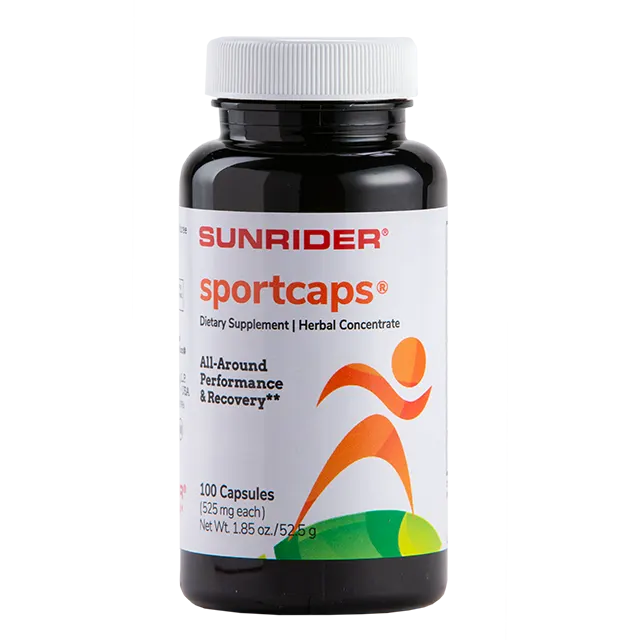
SportCaps®
$51.06Buy now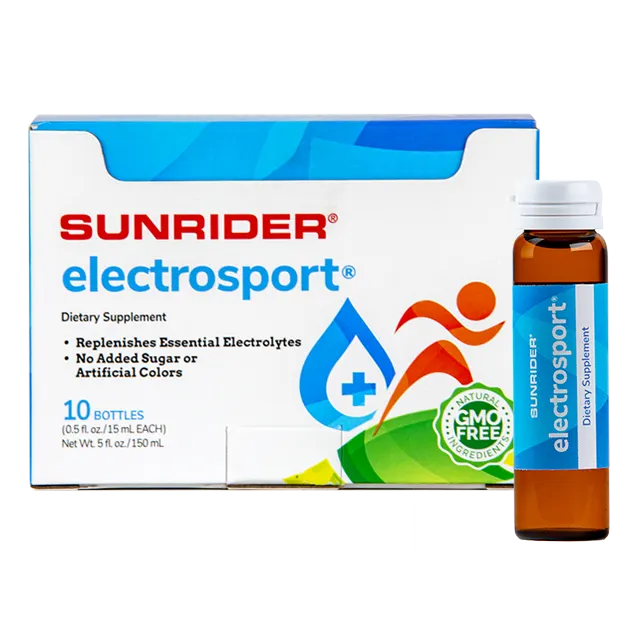
Electrosport®
$47.64Buy now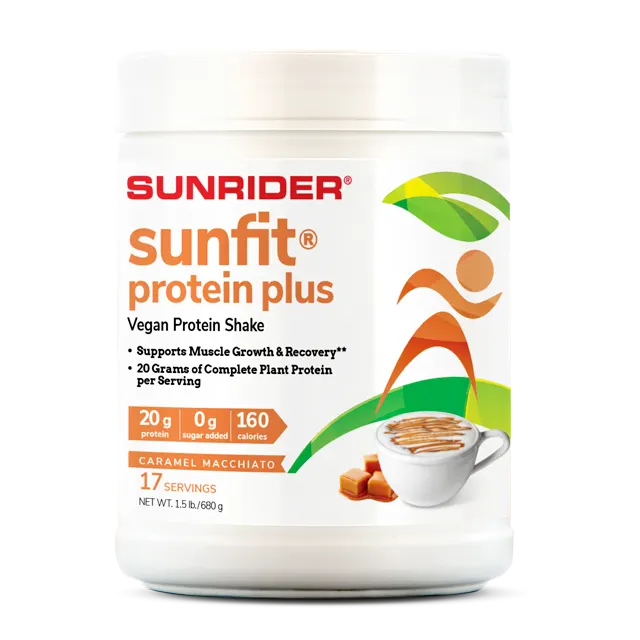
SunFit® Protein Plus | Pea & Rice Protein
$76.74Buy now

Cold plunging went from Nordic tradition to universal wellness prescription in about three years, and the claims outran the data early. Here is what has actually been measured, where the effect sizes are large, and where they are rounding errors.
What the evidence supports
The most-cited human study (Šrámek et al., European Journal of Applied Physiology, 2000) immersed subjects in 14°C water for one hour and measured a 250% increase in plasma dopamine and 530% increase in noradrenaline. Those are unusually large acute changes for a non-pharmacological intervention, and they map onto what people report: alertness, elevated mood, a durable focus lift lasting hours.
Cold immersion also reliably lowers perceived muscle soreness in the days after hard exercise. Meta-analyses are less impressed by the objective recovery markers — force output and performance often return no faster — but for athletes doing repeated same-day efforts, the perceptual effect has practical value.
Brown fat and metabolism
Repeated cold exposure increases brown adipose tissue volume and activity, and BAT is metabolically active tissue that burns glucose and fat to produce heat. Studies in cold-acclimated adults show small improvements in insulin sensitivity.
The magnitude matters: the additional energy expenditure of a short cold plunge is measured in tens of calories. As a metabolic signal, it is interesting. As a fat-loss strategy, it is noise next to diet and training.
The hypertrophy tradeoff
Roberts et al. (Journal of Physiology, 2015) had trained men do 12 weeks of resistance training with either cold water immersion or active recovery afterwards. The cold group gained significantly less muscle mass and strength, with blunted satellite-cell activity and reduced anabolic signalling.
The mechanism is the point: post-training inflammation is not damage to be suppressed, it is the signal that instructs adaptation. Suppress it every session and you train the stimulus away.
Practical rule: plunge on rest days, on cardio days, or at least four hours away from resistance training. If the goal of the session is muscle, do not ice it.
What the evidence does not support
There is no cohort study associating cold exposure with lower all-cause mortality, which is the crucial difference between cold plunge and sauna. Claims that plunging 'boosts immunity' rest largely on the Dutch PACE trial of cold showers, which found fewer sick days but no difference in illness incidence or severity.
Testosterone claims are unsupported. Fat-loss claims are overstated. The honest pitch — this makes you feel dramatically better for a few hours and helps you tolerate discomfort — is strong enough without embellishment.
Dose: temperature, duration, frequency
Most protocols land at 10–15°C for 2–5 minutes. Colder is not obviously better and increases the risk of cold shock response, an involuntary gasp reflex that is genuinely dangerous in open water.
Around 11 minutes of total cold exposure per week, split across three or four sessions, is the most commonly cited target from cold-adaptation research. Frequency appears to matter more than heroics in any single session.
| Goal | Temperature | Duration | Frequency |
|---|---|---|---|
| Mood and alertness | 10–15°C | 2–3 min | 3–5x/week, mornings |
| Perceived recovery | 10–15°C | 5–10 min | After endurance sessions |
| Cold adaptation | 5–12°C | 2–5 min | ~11 min total per week |
| After lifting | Avoid | — | Wait 4+ hours |
Safety
Cold shock response peaks in the first 30–60 seconds and drives involuntary gasping and hyperventilation. Enter slowly, exhale as you submerge, and never plunge alone in open water.
People with cardiovascular disease, uncontrolled hypertension, Raynaud's or arrhythmias should get medical clearance first — the acute blood pressure and heart rate response to cold immersion is substantial.
Cold exposure is a stressor you recover from, not a replacement for recovery. Protein for tissue, minerals for the nervous system, herbal support for the training load around it.
SportCaps®
$51.06Buy nowElectrosport®
$47.64Buy nowSunFit® Protein Plus | Pea & Rice Protein
$76.74Buy now
Frequently asked
- How long should you stay in a cold plunge?
- Two to five minutes at 10–15°C for most goals. Around 11 minutes of total cold exposure per week, split across sessions, is the commonly cited target.
- Is cold plunging better than sauna?
- For long-term health evidence, no — sauna has 20-year mortality cohort data that cold exposure lacks. For acute mood and alertness, cold is the stronger tool.
- Should you cold plunge after lifting weights?
- No. Trials show cold immersion right after resistance training reduces long-term strength and muscle gains. Wait at least four hours or plunge on non-lifting days.
- Does cold plunging boost your immune system?
- The evidence is weak. The main trial found fewer self-reported sick days from cold showers but no reduction in actual illness incidence or severity.
Put it into practice
Browse whole-food herbal nutrition, clean beauty, and non-toxic home essentials from Sunrider's own farms and labs.
Keep reading
Ready to order?
Everything here ships direct from Sunrider at official pricing, with the manufacturer guarantee — no marketplace reseller in between.
SportCaps® — $51.06 · SKU 2402134 · in stock, ships from Sunrider