

How to Cold Plunge: A Beginner's Protocol That Doesn't Backfire
How cold should a cold plunge be for beginners?
Start at 12–15°C (54–59°F) for 60–90 seconds, exhaling slowly as you enter to blunt the cold shock gasp reflex, and build to 2–5 minutes over several weeks. Keep hands and feet submerged only if you can maintain calm breathing, and get out at the first sign of uncontrollable shivering, numbness or confusion. Rewarm passively with dry clothes and movement rather than a hot shower, which can cause an uncomfortable blood pressure drop. Avoid plunging within four hours after resistance training, never plunge alone in open water, and get medical clearance first if you have cardiovascular disease or arrhythmia.
- Beginners: 12–15°C for 60–90 seconds; build over weeks
- Long slow exhale on entry defeats the gasp reflex
- Target 2–5 minutes; ~11 minutes total per week
- Rewarm with movement and dry layers, not a hot shower
- No plunging within 4 hours after lifting
How do you start cold plunging as a beginner?
Begin with cold showers for a week, then a 12–15°C plunge for 60–90 seconds. Enter slowly, exhale long and slow, and get out while you still feel in control rather than at your limit.
How do you breathe in a cold plunge?
Exhale slowly as you submerge and keep exhales longer than inhales for the first minute. The cold shock gasp reflex peaks in the first 30–60 seconds; controlled exhalation is what overrides it.
Should you warm up with a hot shower after a cold plunge?
Not immediately. Rapid rewarming causes peripheral vasodilation and can drop blood pressure sharply. Dry off, add layers, and move gently for 10–15 minutes instead — the delayed rewarming is also where much of the metabolic effect happens.
What temperature is a cold plunge supposed to be?
10–15°C (50–59°F) covers nearly every published protocol. Below 5°C the risk rises faster than the benefit for most people, and the cold shock response becomes harder to control.
Cold sessions load your nervous system and your recovery budget. Herbal support and mineral replacement keep the habit sustainable rather than draining.
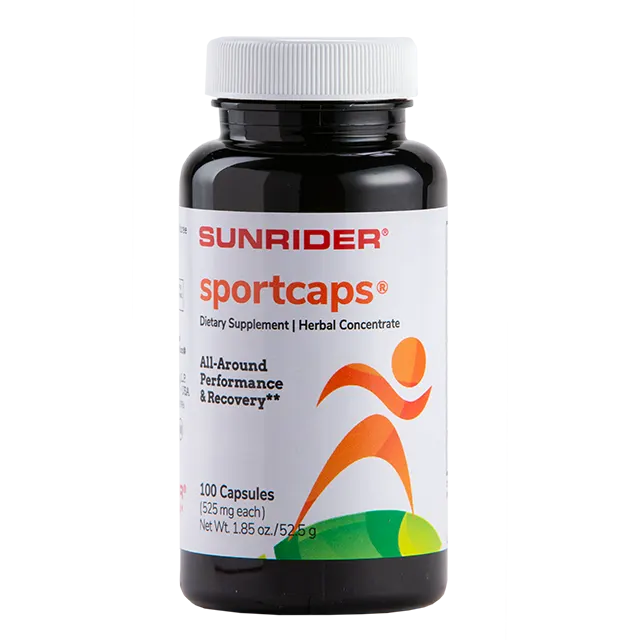
SportCaps®
$51.06Buy now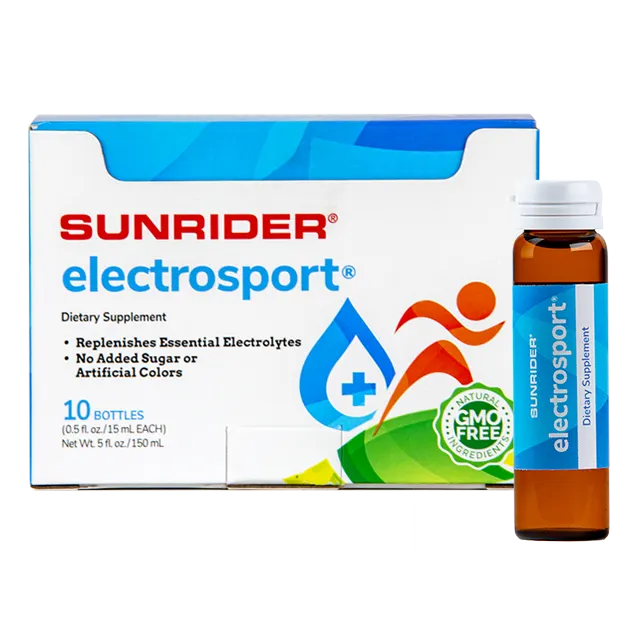
Electrosport®
$47.64Buy now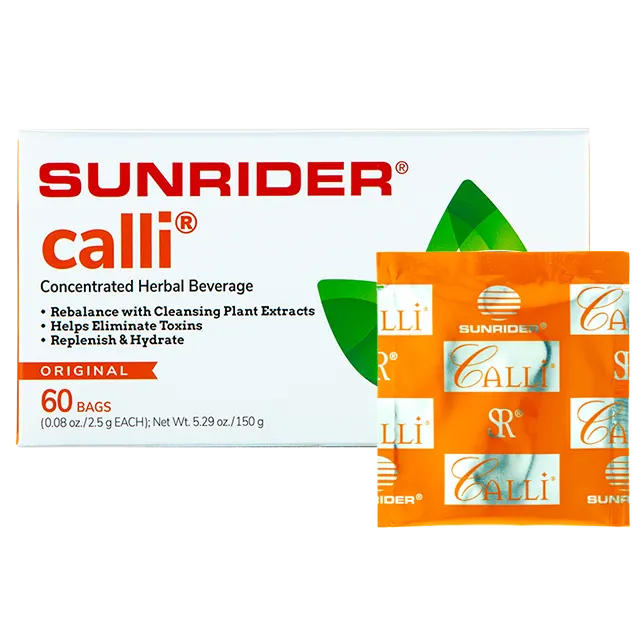
Calli®
$82.26Buy now

Most people quit cold plunging in week two, and almost always for the same reasons: too cold, too long, and a panicked first minute they never learned to control. This protocol fixes all three.
Temperature and time
10–15°C (50–59°F) for 2–5 minutes covers virtually every published protocol. Colder water shortens the tolerable duration without producing better outcomes, and increases the intensity of the cold shock response.
Total weekly exposure of roughly 11 minutes, split across three or four sessions, is the figure most often cited as the adaptation target. Frequency beats heroics.
Breathing through cold shock
The gasp reflex and involuntary hyperventilation peak within the first 30–60 seconds of immersion. This is the mechanism behind most cold water drownings, and it is entirely trainable.
Enter slowly and begin a long, slow exhale as the water reaches your chest. Keep exhales longer than inhales for the first minute. Once breathing is under conscious control, the rest of the session is comfortable by comparison.
Your first two weeks
Week one: finish each shower with 30–60 seconds of cold. This teaches the breathing response with almost no risk. Week two: 12–15°C plunge for 60–90 seconds, three times.
From there, add 30 seconds per week until you reach three to five minutes. Get out while you feel in control — enduring past shivering teaches your brain to dread the tub, which is how the habit dies.
- Exit immediately on uncontrollable shivering, numbness or confusion
- Never plunge alone in open water
- Morning sessions maximise the alertness benefit
- Keep a timer visible; time perception is distorted in cold water
Rewarming correctly
Skip the immediate hot shower. Rapid rewarming dilates peripheral vessels and can drop blood pressure sharply, which is why people feel faint after jumping straight from ice to hot water.
Dry off, put on layers, and move gently — light walking, air squats, a slow kettle-boil pace of activity — for 10 to 15 minutes. The shiver-driven rewarming period is where a good share of the metabolic response actually occurs.
When not to plunge
Within four hours of resistance training, because cold immersion blunts the inflammatory signalling that drives hypertrophy and strength adaptation.
If you have cardiovascular disease, uncontrolled hypertension, arrhythmia or Raynaud's, get medical clearance first. And never combine cold immersion with breath-hold work in water — the combination has killed experienced practitioners.
The cold plunge protocol
- 1
Set the water to 12–15°C
Colder is not better while you are learning the breathing response.
- 2
Enter slowly, exhaling
Long slow exhale as the water hits your chest. Do not jump in.
- 3
Control the first 60 seconds
Exhales longer than inhales until the gasp reflex settles.
- 4
Stay 2–5 minutes
Exit while still in control, before uncontrollable shivering.
- 5
Rewarm with movement
Dry layers and gentle activity for 10–15 minutes. No immediate hot shower.
Cold sessions load your nervous system and your recovery budget. Herbal support and mineral replacement keep the habit sustainable rather than draining.
SportCaps®
$51.06Buy nowElectrosport®
$47.64Buy nowCalli®
$82.26Buy now
Frequently asked
- How cold should a cold plunge be for beginners?
- 12–15°C (54–59°F). Build tolerance at that range before going colder.
- How often should you cold plunge?
- Three to four sessions per week, totalling around 11 minutes of exposure.
- Is it bad to shower hot after a cold plunge?
- Immediately afterwards, yes — it can cause a sharp blood pressure drop. Rewarm with layers and movement for 10–15 minutes first.
- Can you cold plunge every day?
- Yes, if sessions are short and you are not lifting within four hours afterwards. Daily long exposures add recovery cost without added benefit.
Put it into practice
Browse whole-food herbal nutrition, clean beauty, and non-toxic home essentials from Sunrider's own farms and labs.
Keep reading
Ready to order?
Everything here ships direct from Sunrider at official pricing, with the manufacturer guarantee — no marketplace reseller in between.
SportCaps® — $51.06 · SKU 2402134 · in stock, ships from Sunrider