

How to Use a Sauna: Temperature, Timing, Rounds and Recovery
How long should a beginner stay in a sauna?
Use a traditional sauna at 80–100°C (176–212°F) for 15–20 minutes per round, two to three rounds, with 5–10 minutes of cooling between rounds, ideally after training rather than before. Enter hydrated, sit on the lower bench if you are new and move higher as you acclimate, breathe through your nose, and leave if you feel dizzy or nauseated rather than pushing through. Afterwards, replace both fluid and minerals — a 20-minute round can cost half a litre to a litre of sweat containing sodium, potassium and magnesium. Beginners should start at 10 minutes on a lower bench and build over two to three weeks.
- 80–100°C, 15–20 minutes per round, 2–3 rounds
- Cool 5–10 minutes between rounds; do not rush back in
- Sauna after training, never before a hard session
- Beginners: lower bench, 10 minutes, build over 2–3 weeks
- Rehydrate with minerals, not water alone
How hot should a sauna be?
80–100°C (176–212°F) for a traditional dry sauna, measured at the upper bench. Infrared cabins operate far lower, at 45–60°C, because they heat tissue directly instead of heating the air.
How many rounds should you do?
Two to three. Each round is 15–20 minutes of heat and 5–10 minutes of cooling. More than three rounds increases dehydration risk without a clear additional benefit.
What should you drink after a sauna?
Something carrying sodium, potassium and magnesium. Sweat losses of half a litre to a litre per round remove minerals that plain water cannot replace, which is why people often feel headachy after heavy sauna use.
Should you shower before a sauna?
Yes. A quick warm shower removes surface oils and lotions, improves sweat response, and is standard etiquette in Finnish and Nordic sauna culture.
The two things that make regular sauna sustainable: mineral replacement and a drink you actually want after sweating. These cover both.
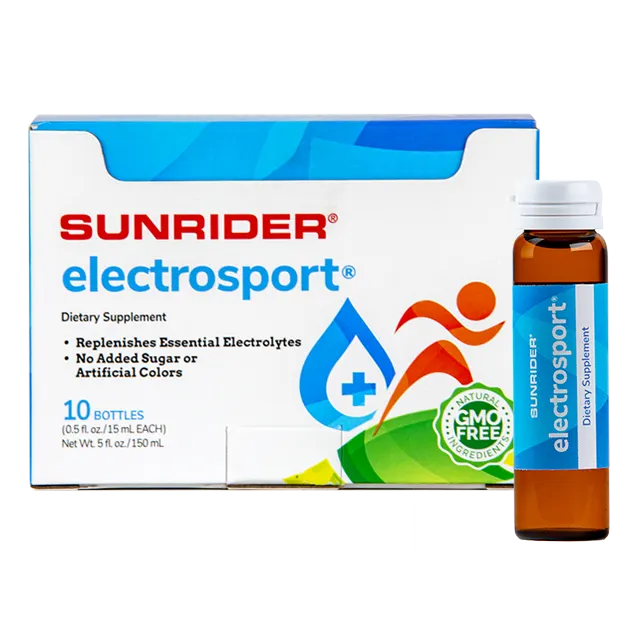
Electrosport®
$47.64Buy now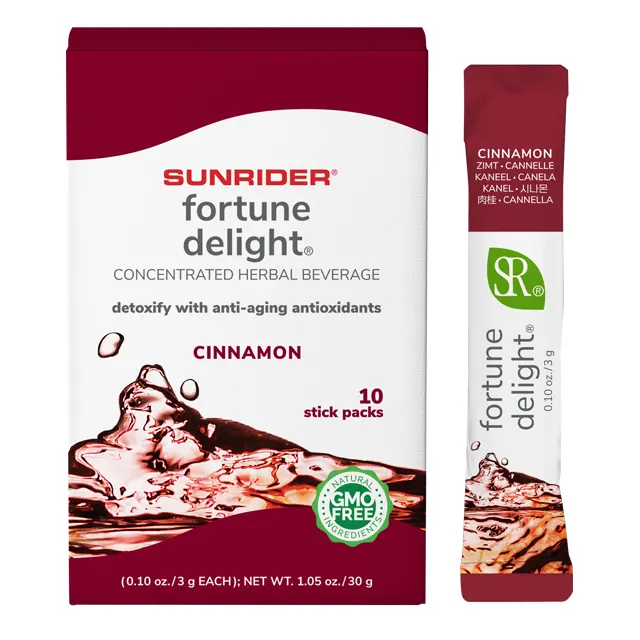
Fortune Delight®
$14.88Buy now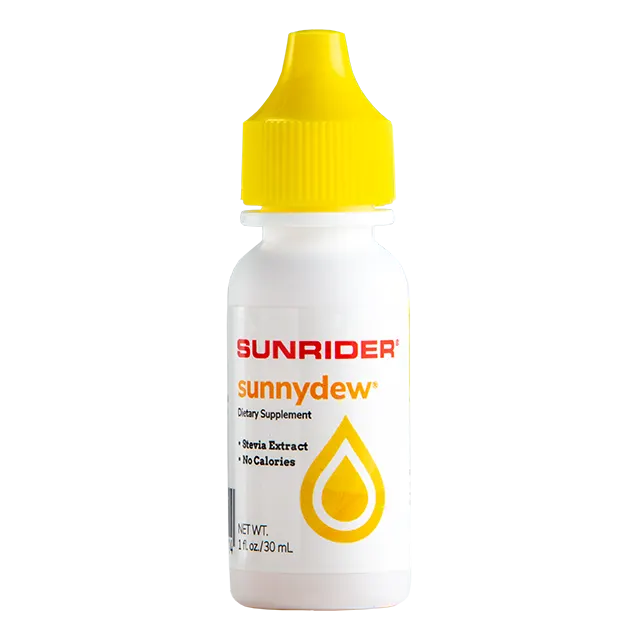
SunnyDew®
$26.81Buy now

Sauna is simple enough that most people do it badly: too short, too infrequent, then dehydrated and irritable afterwards. This is the protocol that matches the research, plus the small details that decide whether you keep doing it.
Before you go in
Drink 400–500 ml of fluid in the hour beforehand — carrying minerals if you can, because you are about to lose them. Take a quick warm shower to remove lotions and surface oils, which improves your sweat response and is expected etiquette in most facilities.
Do not sauna on an empty stomach after a long fast, and never after drinking alcohol. Both impair thermoregulation and blood pressure control.
Temperature and bench height
Traditional saunas run 80–100°C at the upper bench, and heat stratifies steeply — the lower bench can be 20°C cooler. That gives you a built-in intensity dial with no controls to touch.
New users should start on the lower bench for 10 minutes and move up as tolerance builds over two to three weeks. Acclimation is real and measurable: plasma volume expands, sweat begins earlier and carries less sodium.
Rounds and cooling
One round is 15–20 minutes of heat followed by 5–10 minutes of cooling — cool air, a cool shower, or a cold plunge if you have one. Two to three rounds is the standard pattern and matches typical session lengths in the Finnish cohort work.
Cooling is not optional filler. It restores blood pressure regulation, prevents the light-headedness that follows standing up from a hot bench, and makes the next round tolerable.
- Round: 15–20 min heat → 5–10 min cool → repeat
- Breathe through your nose; the air is hot and drying
- Leave immediately if dizzy, nauseated or your heartbeat feels irregular
- Sit rather than stand when you first exit
Where sauna fits in your week
Sauna after training, not before. Pre-session heat raises core temperature and reduces performance and power output in the workout that follows.
If your goal is maximum hypertrophy, a very cold plunge immediately after resistance training may blunt the adaptation signal; heat does not carry that concern, which is one reason sauna is the easier recovery tool to schedule.
Rehydration is part of the protocol
Sweat losses of 0.5–1 litre per round are typical, carrying sodium, potassium, magnesium and trace minerals. Replacing only water dilutes what remains, which is the usual reason people feel flat or headachy hours after a long session.
Weigh yourself before and after if you want precision: replace roughly 1.5 litres of fluid per kilogram of body weight lost, spread over the following few hours rather than all at once.
A complete sauna session, step by step
- 1
Hydrate and shower
400–500 ml of mineral-carrying fluid, then a quick warm rinse.
- 2
First round, lower bench
10–20 minutes depending on experience. Breathe through your nose.
- 3
Cool down
5–10 minutes of cool air, a cool shower or a plunge. Sit if light-headed.
- 4
Second and third rounds
Move up a bench if comfortable. Stop at three rounds.
- 5
Rehydrate deliberately
Replace fluid plus minerals over the next few hours, not in one glass.
The two things that make regular sauna sustainable: mineral replacement and a drink you actually want after sweating. These cover both.
Electrosport®
$47.64Buy nowFortune Delight®
$14.88Buy nowSunnyDew®
$26.81Buy now
Frequently asked
- How long should a beginner stay in a sauna?
- Start with 10 minutes on the lower bench and build toward 15–20 minutes over two to three weeks as you acclimate.
- Is it better to sauna before or after a workout?
- After. Heat before training raises core temperature and reduces performance in that session.
- Can you sauna on an empty stomach?
- A light stomach is fine; a long fast plus heat increases the chance of light-headedness and low blood pressure on standing.
- How do you avoid feeling drained after a sauna?
- Replace minerals, not just water, and keep sessions to two or three rounds. Most post-sauna fatigue is electrolyte loss rather than heat itself.
Put it into practice
Browse whole-food herbal nutrition, clean beauty, and non-toxic home essentials from Sunrider's own farms and labs.
Keep reading
Ready to order?
Everything here ships direct from Sunrider at official pricing, with the manufacturer guarantee — no marketplace reseller in between.
Electrosport® — $47.64 · SKU 2405534 · in stock, ships from Sunrider