

Sauna Benefits: What the Studies Actually Show About Heat and Longevity
How long should you stay in a sauna?
The strongest sauna evidence comes from the Finnish Kuopio Ischemic Heart Disease cohort, which followed 2,315 middle-aged men for a median of 20.7 years: 4–7 sauna sessions per week were associated with 40% lower all-cause mortality and roughly 50% lower fatal cardiovascular disease compared with one session per week, with longer sessions (over 19 minutes) showing further reductions. Follow-up analyses from the same cohort associate frequent sauna use with 66% lower dementia incidence and lower incidence of hypertension and pneumonia. Randomized and mechanistic studies show acute reductions in blood pressure and arterial stiffness, improved endothelial function, and elevated heat-shock protein expression. All of the mortality data is observational, so sauna use may partly be a marker of health rather than a cause of it.
- KIHD cohort: 4–7 sessions/week associated with ~40% lower all-cause mortality
- Same cohort: ~66% lower dementia incidence in frequent users
- Sessions over 19 minutes showed larger associations than short sessions
- Mechanisms: endothelial function, blood pressure, heat-shock proteins
- Observational data — association, not proven causation
How often should you use a sauna for health benefits?
Four to seven sessions per week showed the strongest associations in the Finnish cohort data, at 15–20+ minutes per session at roughly 80–100°C (176–212°F). Two to three sessions per week still showed measurable benefit over once weekly.
Is sauna as good as exercise?
No, but it overlaps. Sauna produces cardiovascular loading — heart rate rises to 100–150 bpm, plasma volume shifts, vessels dilate — resembling moderate aerobic exercise. It is a strong complement for people who cannot train much, not a replacement for training.
Does infrared sauna have the same benefits?
The mortality evidence is specific to traditional Finnish dry sauna. Infrared studies are smaller and shorter, showing blood pressure and recovery benefits, but nothing on the scale of the KIHD data. If you have the choice, traditional heat has the better-studied dose.
Who should avoid the sauna?
Anyone with unstable angina, recent heart attack, severe aortic stenosis, or who is pregnant should get medical clearance first. Alcohol and sauna is the combination behind most sauna-related deaths in Finnish records.
Heat sessions cost you fluid and electrolytes. Rehydrating with something mineral-carrying rather than plain water is the difference between feeling restored and feeling wrung out.
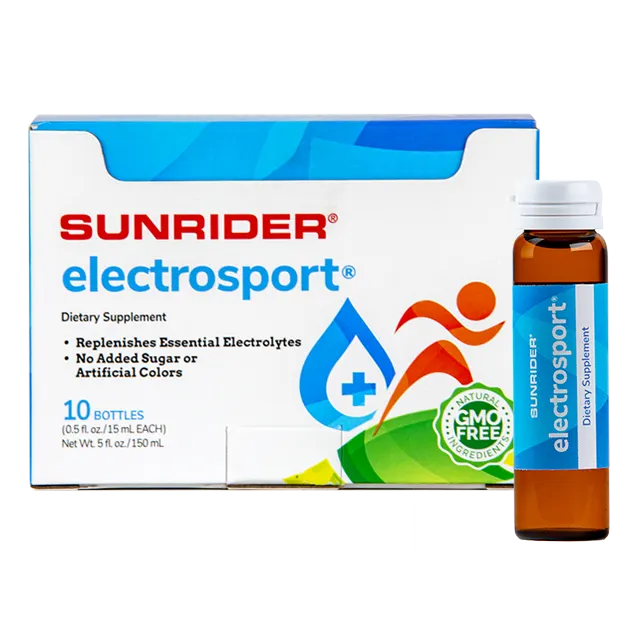
Electrosport®
$47.64Buy now
Fortune Delight®
$14.88Buy now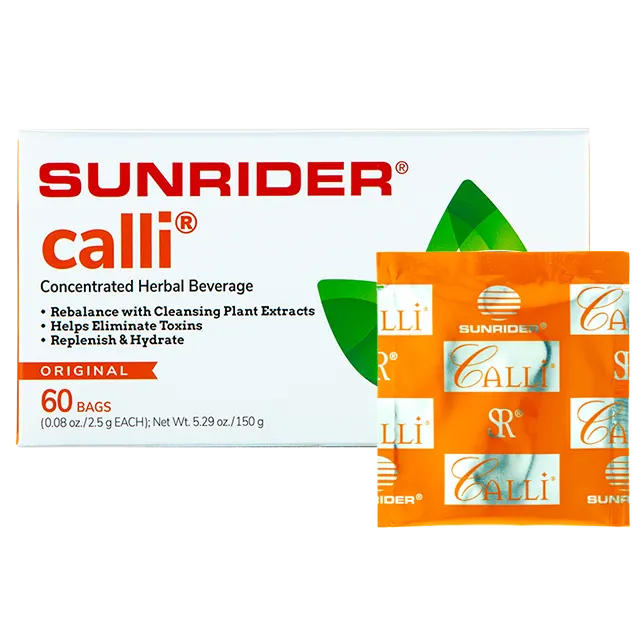
Calli®
$82.26Buy now

Sauna has better human data behind it than almost anything in the recovery aisle — and the data is also more limited than the internet suggests. Here is what each major study found, what it can and cannot prove, and the protocol that matches the evidence.
The Finnish mortality cohort
Laukkanen and colleagues (JAMA Internal Medicine, 2015) followed 2,315 middle-aged Finnish men for a median of 20.7 years. Compared with one session per week, men using a sauna 2–3 times per week had 24% lower all-cause mortality, and men using it 4–7 times per week had 40% lower all-cause mortality. Sudden cardiac death fell 22% and 63% respectively.
Session duration mattered too: sessions longer than 19 minutes carried stronger associations than sessions under 11 minutes. The pattern is dose-dependent, which strengthens the case for a real biological effect.
The obvious caveat: this is a single observational cohort in a culture where sauna is routine. Men well enough to sauna seven times a week are likely healthier to begin with. The authors adjusted for cardiovascular risk factors, socioeconomic status and physical activity, which narrows but does not eliminate that confounding.
| Sessions per week | All-cause mortality | Sudden cardiac death |
|---|---|---|
| 1 (reference) | — | — |
| 2–3 | −24% | −22% |
| 4–7 | −40% | −63% |
Dementia, blood pressure and respiratory findings
A 2017 analysis of the same cohort (Age and Ageing) associated 4–7 weekly sessions with 66% lower incidence of dementia and 65% lower Alzheimer's disease incidence over 20 years of follow-up.
A 2018 analysis found 47% lower risk of developing hypertension in frequent users, and a separate paper reported lower incidence of pneumonia and other respiratory conditions. Each of these carries the same observational caveat as the mortality data.
Why heat does anything at all
A 20-minute session at 80–100°C raises core temperature roughly 1°C, pushes heart rate to 100–150 bpm, and drives substantial peripheral vasodilation. Functionally, the cardiovascular system experiences something close to a moderate aerobic bout without joint loading.
Repeated exposure produces heat acclimation: expanded plasma volume, improved endothelial function, lower arterial stiffness, and increased expression of heat-shock proteins, which assist in protein folding and cellular stress resistance. Those mechanisms are measured in humans; whether they are what produces the mortality signal remains inference.
Traditional, infrared and steam compared
Traditional Finnish sauna runs hot and dry (80–100°C, 10–20% humidity) and is the modality behind essentially all of the long-term cohort data. Infrared cabins run far cooler (45–60°C) and heat tissue directly; the trials are short and small but do show blood pressure and recovery benefits. Steam rooms sit around 40–45°C at 100% humidity, which limits sweat evaporation and therefore the core-temperature stimulus.
If your goal is to replicate the studied dose, traditional dry heat at a duration that makes you genuinely uncomfortable near the end is the closest match.
How much sauna is enough
Match the evidence: 4–7 sessions per week, 15–20 minutes each, at 80–100°C, ideally after training rather than before it. If that is unrealistic, two to three sessions still tracked with a 24% mortality reduction in the cohort — the curve is steep at the low end.
Rehydrate deliberately. A 20-minute session can cost half a litre to a litre of sweat, along with sodium, potassium and magnesium. Plain water alone replaces volume but not minerals.
Risks and who should be careful
Sauna is well tolerated by most people, including many with stable cardiovascular disease. The clear contraindications are unstable angina, recent myocardial infarction, and severe aortic stenosis. Pregnancy warrants medical advice before heat exposure.
Alcohol is the genuine danger. Finnish forensic data attributes the majority of sauna deaths to intoxication combined with heat, where impaired thermoregulation and judgment prevent people from leaving.
A sauna protocol that matches the research
- 1
Hydrate before entering
Drink 400–500 ml of fluid with minerals in the hour before your session.
- 2
Heat for 15–20 minutes
Sit at 80–100°C until the last few minutes feel genuinely hard, not dangerous.
- 3
Cool for 5–10 minutes
Step out, cool with air or a cool shower, and let your heart rate settle.
- 4
Repeat for 2–3 rounds
Two or three rounds match the pattern used in Finnish practice and most studies.
- 5
Replace fluids and minerals
Rehydrate afterwards with an electrolyte-carrying drink rather than water alone.
Heat sessions cost you fluid and electrolytes. Rehydrating with something mineral-carrying rather than plain water is the difference between feeling restored and feeling wrung out.
Electrosport®
$47.64Buy nowFortune Delight®
$14.88Buy nowCalli®
$82.26Buy now
Frequently asked
- How long should you stay in a sauna?
- 15–20 minutes per round at 80–100°C. In the Finnish cohort, sessions longer than 19 minutes carried stronger mortality associations than sessions under 11 minutes.
- Is sauna good for your heart?
- Frequent sauna use is associated with lower cardiovascular mortality and lower incidence of hypertension in Finnish cohort data, with plausible mechanisms including improved endothelial function and reduced arterial stiffness.
- Should you sauna before or after a workout?
- After. Pre-training heat raises core temperature and reduces performance in the session that follows.
- Can you sauna every day?
- Yes for most healthy people, and daily use is within the 4–7 sessions per week band with the strongest observed associations. Hydration and mineral replacement become more important at that frequency.
Put it into practice
Browse whole-food herbal nutrition, clean beauty, and non-toxic home essentials from Sunrider's own farms and labs.
Keep reading
Ready to order?
Everything here ships direct from Sunrider at official pricing, with the manufacturer guarantee — no marketplace reseller in between.
Electrosport® — $47.64 · SKU 2405534 · in stock, ships from Sunrider