

Fasting and Longevity: What the Studies Show in Animals vs Humans
Does intermittent fasting extend lifespan in humans?
Caloric restriction extends lifespan reliably in yeast, worms, flies and rodents, but the primate and human evidence is far weaker: the two long rhesus monkey studies disagreed on survival, and in humans the only randomized long-term trial (CALERIE, 2 years, ~12% calorie reduction) showed improvements in cardiometabolic risk markers and a slowed pace of biological ageing, not lifespan. Intermittent fasting produces weight loss and metabolic improvements roughly equal to matched-calorie continuous dieting, so its advantage is adherence rather than a unique metabolic effect. Autophagy is real but the human timing figures circulating online come from rodent and cell studies, not human measurement. The main risk is lean mass: fasting without adequate protein and resistance training loses a higher share of muscle than continuous restriction.
- Lifespan extension from caloric restriction is robust in rodents, unproven in humans
- CALERIE: 2 years of ~12% restriction improved risk markers and biological ageing pace
- Intermittent fasting ≈ continuous restriction when calories are matched
- Human autophagy timelines are extrapolated, not measured
- Protein and resistance training protect muscle during any fasting protocol
Does fasting actually make you live longer?
In rodents, caloric restriction extends lifespan by 20–40% consistently. In humans there is no lifespan evidence — only trials showing improved cardiometabolic markers and, in CALERIE, a slowed pace of biological ageing measured by DNA methylation clocks.
How long do you need to fast for autophagy?
Nobody knows in humans. The commonly repeated 16–24 hour figures come from rodent liver tissue and cell culture. Human autophagy is difficult to measure in vivo, and exercise and protein restriction also trigger it.
Is intermittent fasting better than normal calorie counting?
For fat loss and metabolic markers, matched-calorie trials find them roughly equivalent. Intermittent fasting wins for people who find a shorter eating window easier to stick to, which is a real advantage — just not a metabolic one.
Does fasting cause muscle loss?
It can. Fasting protocols without adequate protein and resistance training lose a higher fraction of weight as lean mass. Hitting 1.6–2.2 g/kg of protein within your eating window and lifting twice a week largely prevents this.
Shorter eating windows make protein and micronutrient density harder, not easier. A food-form base plus a clean protein makes a compressed window survivable.
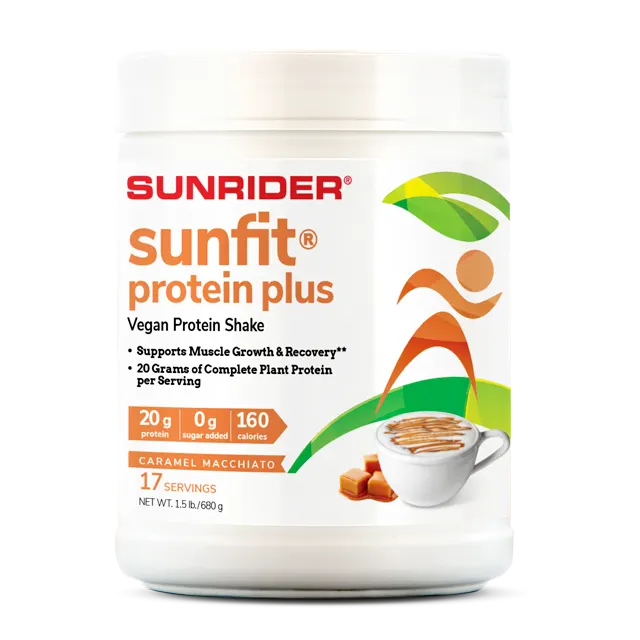
SunFit® Protein Plus | Pea & Rice Protein
$76.74Buy now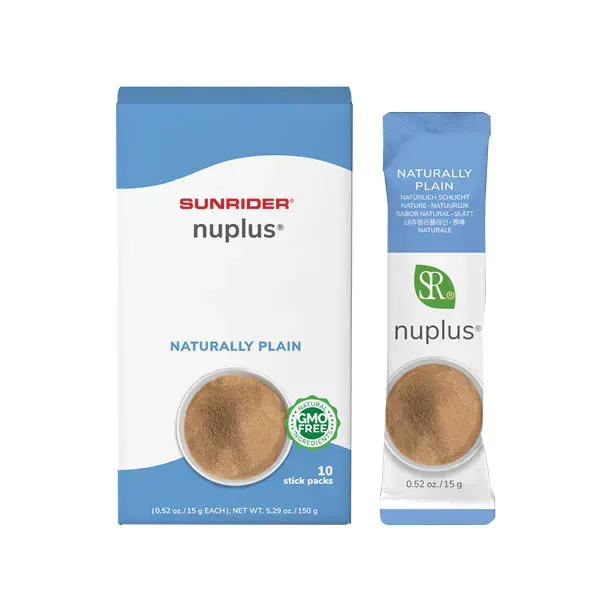
NuPlus®
$32.64Buy now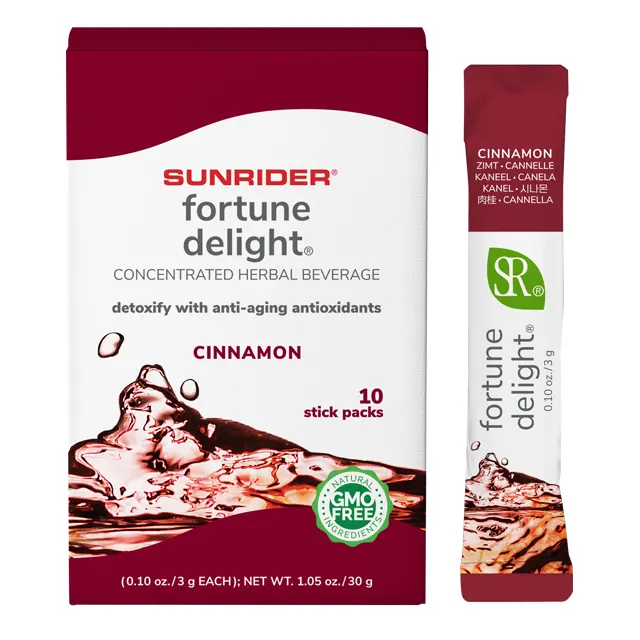
Fortune Delight®
$14.88Buy now

Fasting is where longevity science is most confidently misquoted. The rodent data really is impressive; the human data really is thinner. Sorting them out is the difference between a useful habit and a strategy that quietly costs you muscle.
What caloric restriction shows in animals
Restricting calories 20–40% without malnutrition extends median and maximum lifespan across yeast, C. elegans, Drosophila and rodents. The effect is one of the most reproducible findings in biogerontology, mediated in part through reduced mTOR and insulin/IGF-1 signalling and increased autophagy.
It also gets weaker as organisms get more complex. Two long-term rhesus monkey studies reached different conclusions: the Wisconsin study reported survival benefits, while the NIA study found improved health markers but no significant lifespan difference — largely because the control diet differed between the two.
The human evidence
CALERIE remains the only long-term randomized caloric restriction trial in non-obese humans. Over two years at roughly 12% restriction (below the 25% target, because sustained restriction is hard), participants improved blood pressure, LDL, insulin sensitivity and inflammatory markers, and a later analysis found a slowed pace of biological ageing on the DunedinPACE methylation clock.
That is a real and encouraging result. It is not lifespan data, and it will not be for decades — human longevity trials are essentially impossible to run.
Intermittent fasting in humans
Time-restricted eating (16:8, 18:6), alternate-day fasting and 5:2 all produce weight loss and metabolic improvement. When trials equalize total calories, the differences against continuous restriction mostly disappear — including in a 2022 New England Journal of Medicine trial of time-restricted eating that found no advantage over daily calorie restriction at 12 months.
This does not make fasting useless. Compressing an eating window is a practical way to eat less without tracking anything, and adherence is the variable that decides outcomes in every diet trial ever run.
Autophagy: what's real and what's extrapolated
Autophagy — cellular recycling of damaged components — is real, Nobel-recognized biology and is upregulated by nutrient deprivation. The problem is measurement: assessing autophagic flux in living human tissue requires biopsies and difficult assays, so the confident '16-hour autophagy switch' claims are extrapolations from rodent liver and cell culture.
Exercise, protein restriction and certain compounds also induce autophagy. It is not a fasting-exclusive mechanism, and pushing fasts longer chasing it costs muscle for an unmeasured benefit.
The muscle problem
Every fasting protocol reduces daily protein-feeding opportunities, and protein distribution matters for muscle protein synthesis. Fasting studies that do not control protein and resistance training consistently show a higher proportion of weight lost as lean tissue.
The fix is unglamorous: hit 1.6–2.2 g of protein per kg of body weight inside your eating window, lift twice a week, and do not extend fasts past what you can feed properly around. For adults over 60, where sarcopenia risk already outweighs most theoretical fasting benefits, this caution matters more than the fasting itself.
Who should not fast
People with a history of disordered eating, those who are pregnant or breastfeeding, adults with type 1 diabetes or on insulin or sulfonylureas without medical supervision, and anyone underweight or already losing muscle.
If you are on GLP-1 medication, appetite is already suppressed and the risk of under-eating protein is high. Adding a fasting protocol on top usually accelerates lean-mass loss rather than fat loss.
Shorter eating windows make protein and micronutrient density harder, not easier. A food-form base plus a clean protein makes a compressed window survivable.
SunFit® Protein Plus | Pea & Rice Protein
$76.74Buy nowNuPlus®
$32.64Buy nowFortune Delight®
$14.88Buy now
Frequently asked
- Does intermittent fasting extend lifespan in humans?
- There is no human lifespan evidence. Trials show improved metabolic markers and, in CALERIE, a slowed pace of biological ageing — not longer life.
- How long should you fast for autophagy?
- Human autophagy timing has not been reliably measured. The 16–24 hour figures come from rodent and cell studies, not human trials.
- Is 16:8 fasting healthy?
- For most healthy adults, yes, provided protein and micronutrient intake stay adequate within the eating window and resistance training continues.
- Will fasting make me lose muscle?
- It can, if protein is low and you are not lifting. With 1.6–2.2 g/kg of protein and two weekly resistance sessions, lean mass is largely preserved.
Put it into practice
Browse whole-food herbal nutrition, clean beauty, and non-toxic home essentials from Sunrider's own farms and labs.
Keep reading
Intermittent Fasting: How to Do It Without Losing Muscle
LongevityTop 5 Things You Can Do for Longevity (Ranked by Evidence)
NutritionNatural GLP-1 Support: What Food and Fiber Actually Do for Appetite Hormones
NutritionHow Much Protein Should You Eat a Day? A Practical Guide by Body Weight and Goal
Ready to order?
Everything here ships direct from Sunrider at official pricing, with the manufacturer guarantee — no marketplace reseller in between.
SunFit® Protein Plus | Pea & Rice Protein — $76.74 · SKU 0154134 · in stock, ships from Sunrider