
Intermittent Fasting: How to Do It Without Losing Muscle
Does coffee break intermittent fasting?
To run intermittent fasting without losing muscle, keep total protein at 1.6–2.2 g per kg of body weight inside your eating window, split across two or three meals of at least 30–40 g each, and train with resistance twice a week. A 16:8 window (for example, eating between noon and 8pm) is the easiest starting protocol and produces results equal to matched-calorie continuous dieting. Train near the start or middle of your eating window so that a protein-containing meal follows the session. Water, black coffee and plain tea do not break a fast in any practically meaningful way; anything with protein or meaningful calories does. Skip fasting altogether if you are pregnant, have a history of disordered eating, take insulin, or are already losing lean mass.
- 16:8 is the easiest window to sustain and matches other protocols in results
- 1.6–2.2 g/kg protein inside the window, 30–40 g per meal minimum
- Train near the start or middle of the eating window
- Water, black coffee and plain tea do not meaningfully break a fast
- Not appropriate during pregnancy, disordered eating history, or insulin use
What is the best intermittent fasting schedule?
16:8 for most people — a 16-hour fast and an 8-hour eating window, commonly noon to 8pm. It is the most sustainable schedule in adherence data, and matched-calorie trials show no advantage for more aggressive protocols.
What breaks a fast?
Anything with protein or meaningful calories. Water, black coffee, plain tea and sparkling water do not. A splash of milk or a few grams of sugar technically ends a fasted state but has negligible practical effect on fat loss.
Should you work out fasted?
You can, but for muscle it is a downgrade. Fasted resistance training reduces available amino acids at the time when they matter most. Train inside your eating window when possible, or take protein soon after a fasted session.
How do you hit protein in an 8-hour window?
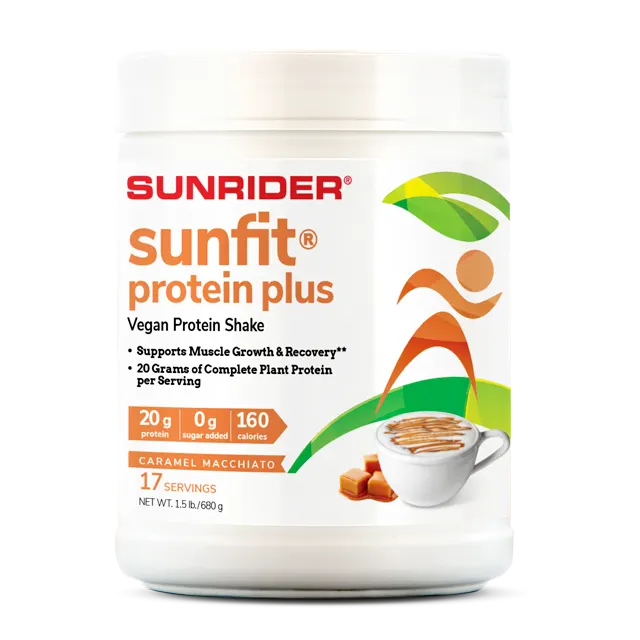
Two or three meals of 40–50 g each, anchored by a protein-dense first meal. A shake counts and is usually how people close the gap when the window shrinks.
The hardest part of a short eating window is protein and micronutrient density. A clean protein plus a whole-food base solves the first meal and the last one.
Browse the full catalog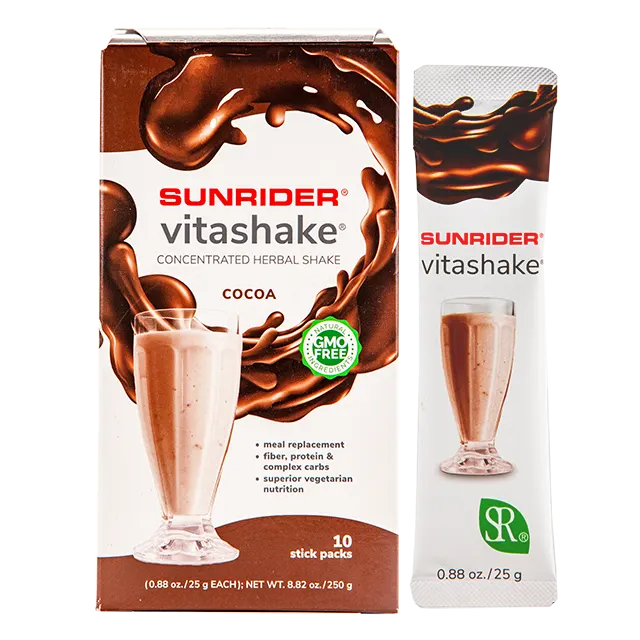

Intermittent fasting works for a boring reason: a shorter eating window usually means fewer calories without tracking anything. Keep that benefit, avoid the muscle cost, and it is a genuinely useful structure.
Choosing your window
16:8 is the default for good reason — it survives real life. A noon-to-8pm window skips breakfast, keeps dinner social, and requires no weighing or logging.
18:6 and 20:4 compress harder and make protein targets progressively more difficult. Alternate-day and 5:2 protocols show similar outcomes in trials but higher dropout rates. Start at 16:8 and only tighten if you have a reason.
| Protocol | Structure | Best for | Main downside |
|---|---|---|---|
| 16:8 | 16h fast / 8h eating | Most people, long term | Minimal |
| 18:6 | 18h fast / 6h eating | Experienced fasters | Protein gets tight |
| 20:4 | 20h fast / 4h eating | Short-term fat loss | Hard to fuel training |
| 5:2 | 2 low-calorie days/week | People who hate daily limits | Low-day training suffers |
Hitting protein in a compressed window
A 180 lb (82 kg) adult targeting 1.8 g/kg needs about 148 g of protein. In an 8-hour window that is three meals of roughly 50 g, or two meals plus a shake.
Anchor the first meal with protein rather than carbohydrate. It stabilizes appetite for the rest of the window and prevents the common pattern of a light lunch followed by an enormous, protein-poor dinner.
- Meal 1 (window opens): 40–50 g protein
- Meal 2: 40–50 g protein, largest of the day if you train in the afternoon
- Meal 3 or shake: 40 g protein before the window closes
- Fibre and micronutrients matter more, not less, when meals are fewer
Training around your window
Train near the start or middle of your eating window so a protein-containing meal follows within a couple of hours. That timing matters far more than any pre-workout supplement.
If your only realistic training slot is fasted early morning, take protein as soon as the window opens afterwards. The difference is modest but real over months.
What breaks a fast
For fat-loss purposes, calories break a fast. Water, black coffee, plain tea and sparkling water do not. Herbal tea without added sugar is fine and helps enormously with the appetite dip around hour 14.
For strict autophagy purposes nobody can answer precisely, because human autophagy timing has not been measured well. Optimizing around an unmeasurable variable is not a good use of your discipline.
Who should not do this
Anyone pregnant or breastfeeding, anyone with a history of disordered eating, people with type 1 diabetes or on insulin or sulfonylureas without medical supervision, and anyone underweight.
Adults over 65 should be cautious: sarcopenia risk generally outweighs the metabolic upside, and fewer protein-feeding windows works directly against age-related anabolic resistance.
Setting up a 16:8 week
- 1
Pick a 16:8 window
Noon to 8pm suits most schedules. Keep it consistent across days.
- 2
Set your protein number
1.6–2.2 g per kg of body weight, then divide into two or three meals.
- 3
Anchor the first meal with protein
40–50 g. This controls appetite for the rest of the window.
- 4
Train inside the window
Start or middle, so a protein meal follows the session.
- 5
Use tea and water for the fasted hours
Zero-calorie fluids blunt the hour-14 appetite dip.
The hardest part of a short eating window is protein and micronutrient density. A clean protein plus a whole-food base solves the first meal and the last one.
Browse the full catalogFrequently asked
- Does coffee break intermittent fasting?
- Black coffee does not. Adding milk, cream or sugar adds calories, though small amounts have little practical effect on fat loss.
- How much protein do you need when intermittent fasting?
- The same as otherwise — 1.6–2.2 g per kg of body weight — just compressed into fewer, larger meals.
- Can you build muscle while intermittent fasting?
- Yes, provided total protein and total calories are adequate and you train with resistance. The window itself is not the limiting factor.
- Is intermittent fasting safe long term?
- For most healthy adults, yes. It is not appropriate during pregnancy, with a disordered eating history, on insulin without supervision, or when underweight.
Put it into practice
Browse whole-food herbal nutrition, clean beauty, and non-toxic home essentials from Sunrider's own farms and labs.
Keep reading
Fasting and Longevity: What the Studies Show in Animals vs Humans
NutritionHow Much Protein Should You Eat a Day? A Practical Guide by Body Weight and Goal
NutritionNatural GLP-1 Support: What Food and Fiber Actually Do for Appetite Hormones
LongevityTop 5 Things You Can Do for Longevity (Ranked by Evidence)
Ready to order?
Everything here ships direct from Sunrider at official pricing, with the manufacturer guarantee — no marketplace reseller in between.
SunFit® Protein Plus | Pea & Rice Protein — $76.74 · SKU 0154134 · in stock, ships from Sunrider