
How to Start a Home-Based Wellness Business in 2026
How much does it cost to start a home-based wellness business?
Starting a home-based wellness business realistically takes under $500 in startup costs, a sole proprietorship or LLC registration, a product line you personally use, and 8–12 hours a week of consistent customer-facing work. The businesses that survive past year one share three traits: the owner treats it as a business rather than a hobby, they build on genuine product knowledge instead of recruitment enthusiasm, and they set an honest expectation that meaningful income takes 12–24 months. Direct-sales models remove inventory, manufacturing and fulfillment risk, which lowers the barrier to entry but does not remove the requirement to actually find and keep customers.
- Realistic startup cost: under $500
- Register as a sole proprietor or single-member LLC; track expenses from day one
- Plan for 8–12 focused hours a week
- Expect 12–24 months to meaningful income — anyone promising faster is guessing
- Product knowledge beats recruitment enthusiasm every time
How much does it cost to start a home-based wellness business?
With an independent business owner model, typically under $500 including a starter product order — versus $20,000 or more to create your own product line.
How long does it take to earn real income?
Realistically 12–24 months of consistent weekly effort. Early months usually cover product costs and produce modest supplemental income.
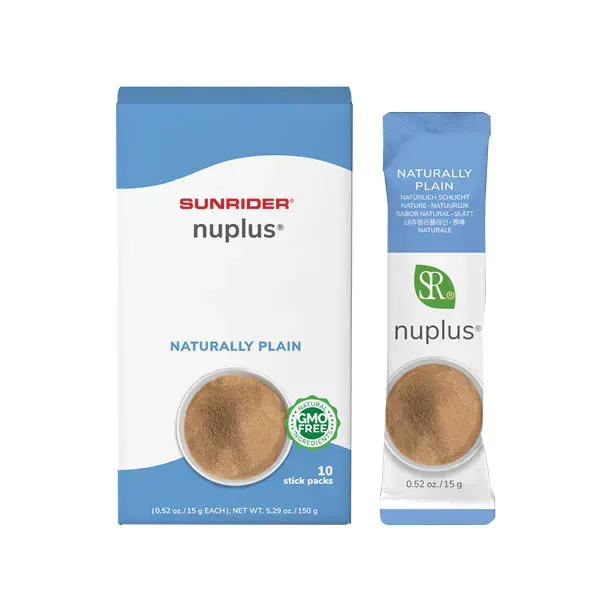
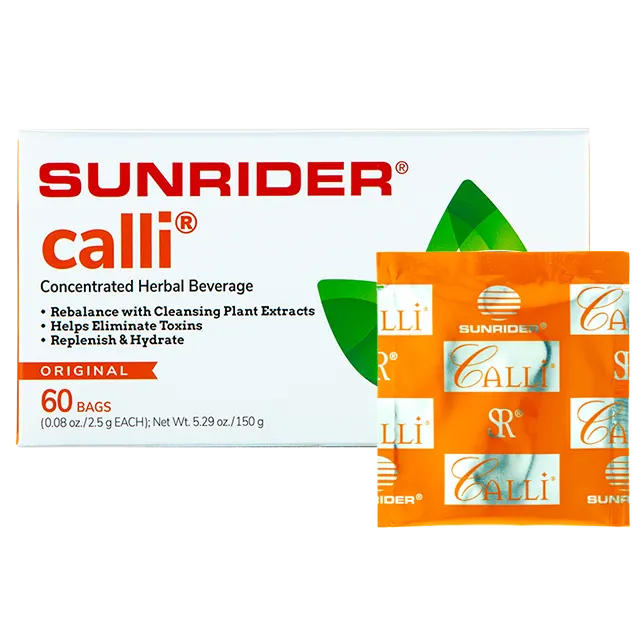
Every credible wellness business starts with products you personally use. These are the ones most of our IBOs build around.
Browse the full catalog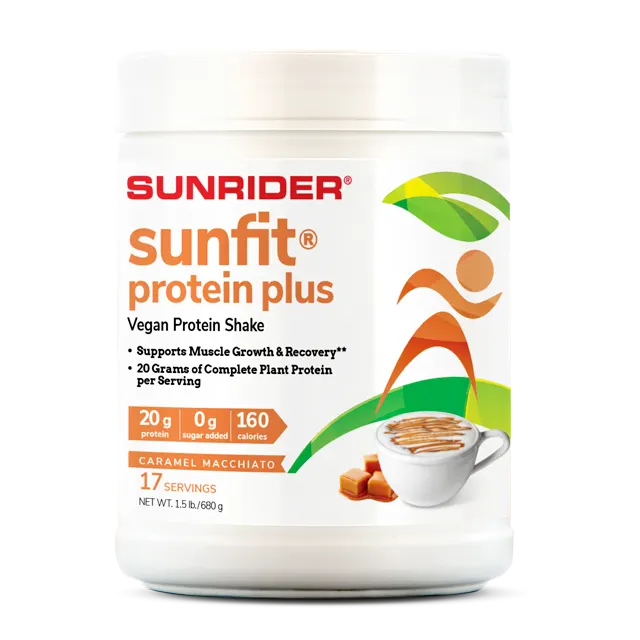

Most guides to starting a home business are either motivational or evasive about money. This one tries to be neither. Here is what the first year actually involves.
Decide what kind of business you are actually starting
There are three common routes into home-based wellness: creating your own product, reselling someone else's, or building a service practice like coaching. They have wildly different capital requirements.
Manufacturing your own line means formulation, compliance, minimum order quantities and inventory risk — typically $20,000+ before a single sale. A distributor model shifts all of that to the manufacturer, which is why it is the most common entry point for people starting alongside a job.
| Route | Typical startup cost | Main risk |
|---|---|---|
| Own product line | $20,000+ | Inventory and compliance |
| Distributor / IBO | Under $500 | Finding customers |
| Coaching or service | $500–$2,000 | Credentialing and time-for-money ceiling |
The legal and financial setup takes an afternoon
Register a sole proprietorship or single-member LLC in your state, get an EIN from the IRS at no cost, open a separate business bank account, and start logging expenses on day one. Home office space, product samples, mileage and a share of your phone bill are typically deductible — check with a tax professional for your situation.
Separating the money from personal accounts is the single change that most reliably turns a hobby into a business, because it makes the numbers visible.
Where customers actually come from
Not from posting product photos to your personal feed. The durable channels are: people who already trust you and have the problem your product addresses, a content presence that answers real questions, and referrals from satisfied customers.
Content is the slow compounding one. A single well-written answer to a question people search — how to choose a protein powder, what to look for in clean skincare — keeps working for years.
- Warm network: fastest, finite, do not burn it
- Content and search: slowest to start, largest ceiling
- Local community and events: reliable, geographically capped
- Referrals: the compounding output of doing the first three well
An honest word about income
In direct sales, the majority of participants earn modest supplemental income and a minority earn substantial income. Anyone presenting a top earner's results as a typical outcome is misrepresenting the model.
The right frame is: this is a real small business with unusually low startup cost and unusually high churn. Treat it with the seriousness you would give a $20,000 investment and your odds change accordingly.
Your first 30 days
- 1
Pick a product line you already use
Credibility is not fakeable. Use the products for at least a month before selling them.
- 2
Register the business
Sole proprietorship or LLC, EIN, separate bank account, expense tracking.
- 3
Define your person
Write down exactly who you help and what problem you solve. Vague positioning is the top cause of no sales.
- 4
Learn the catalog properly
Know the top 20 products cold — ingredients, use cases and who they are wrong for.
- 5
Have ten real conversations
Not pitches. Conversations about the problem. Ten a week is the rhythm that works.
- 6
Publish one useful thing a week
An answer to a question people actually ask. This is what still generates customers in year three.
Every credible wellness business starts with products you personally use. These are the ones most of our IBOs build around.
Browse the full catalogFrequently asked
- How much does it cost to start a home-based wellness business?
- With a distributor or IBO model, typically under $500 including a starter product order. Creating your own product line usually requires $20,000 or more.
- How many hours a week does it take?
- Plan for 8–12 focused hours weekly. Fewer than five hours a week rarely produces momentum; the work is cumulative.
- How long before it makes real money?
- Realistically 12–24 months for meaningful income. Early months typically cover product costs and produce modest supplemental earnings.
- Do I need a license to sell wellness products?
- Reselling finished consumer products generally does not require a health license, but you must not make medical claims. A local business license and sales tax registration may be required depending on your state.
Ready to start?
See exactly how the home-based Sunrider business works — startup costs, time commitment, and the mentorship we provide.
Keep reading
Ready to order?
Everything here ships direct from Sunrider at official pricing, with the manufacturer guarantee — no marketplace reseller in between.
NuPlus® — $32.64 · SKU 0186734 · temporarily out of stock