

Longevity Supplements: What Works, What Doesn't, and What's Just Marketing
What is the best supplement for longevity?
Only a few supplements have human evidence relevant to ageing: vitamin D corrects a common deficiency associated with falls and fractures, omega-3 has cardiovascular and possibly cognitive support data, creatine has strong evidence for preserving muscle and strength in older adults, protein supplementation prevents sarcopenia when dietary intake falls short, and collagen peptides have modest joint and skin trial data. NMN and NR raise NAD+ levels in humans but no trial has yet shown a clinical ageing outcome, and resveratrol's early findings largely failed to replicate. No supplement has been shown to extend human lifespan. The most defensible strategy is to correct deficits with food-form nutrition and to keep protein and muscle-supporting nutrients adequate.
- Strongest: vitamin D (if deficient), omega-3, creatine, adequate protein
- Modest: collagen peptides for joints and skin elasticity
- Unproven clinically: NMN, NR, resveratrol, most 'longevity stacks'
- No supplement has demonstrated human lifespan extension
- Correcting deficits beats chasing exotic compounds
Do longevity supplements like NMN actually work?
NMN and NR reliably raise NAD+ levels in humans, which is a biomarker, not an outcome. No trial has yet shown improvements in a clinical ageing endpoint. Resveratrol, the earlier version of this story, largely failed to replicate.
What supplement has the best evidence for ageing well?
Creatine monohydrate, for a boring reason: it consistently supports muscle mass and strength in older adults when combined with resistance training, and muscle is one of the strongest predictors of independence after 60.
Is collagen worth taking?
Modestly. Randomized trials show small improvements in skin elasticity and joint discomfort at 2.5–10 g daily over 8–12 weeks. It is not a structural rebuild — but the effect sizes are real and the safety profile is clean.
Should older adults take protein supplements?
Only if food falls short — but it usually does. Anabolic resistance means adults over 60 need more protein per meal to trigger the same muscle protein synthesis, and appetite tends to decline at the same time.
The three that survive an evidence filter for ageing well: enough protein, collagen support, and a whole-herb formula for the daily foundation.
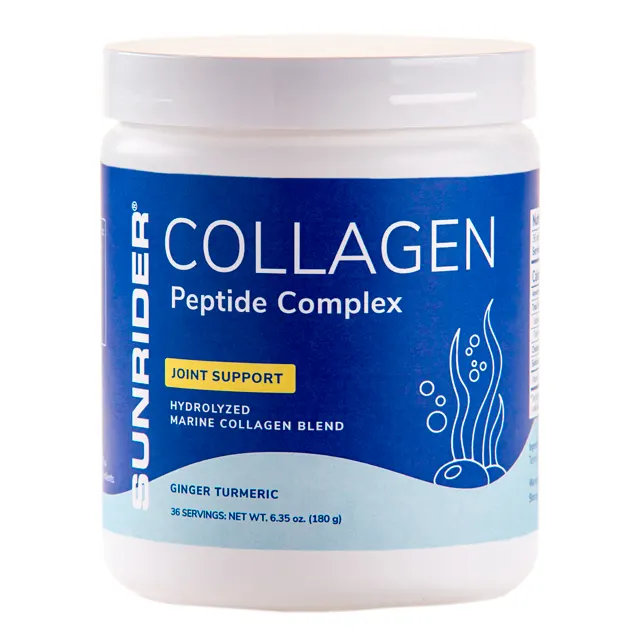
Collagen Peptide Complex
$63.56Buy now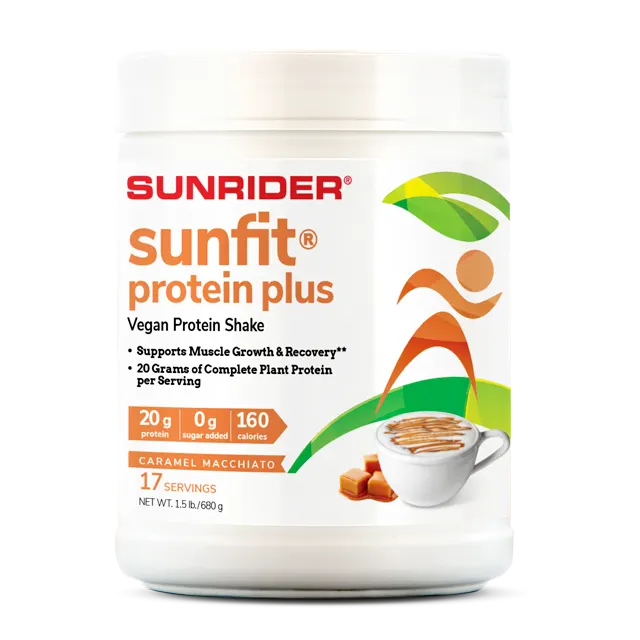
SunFit® Protein Plus | Pea & Rice Protein
$76.74Buy now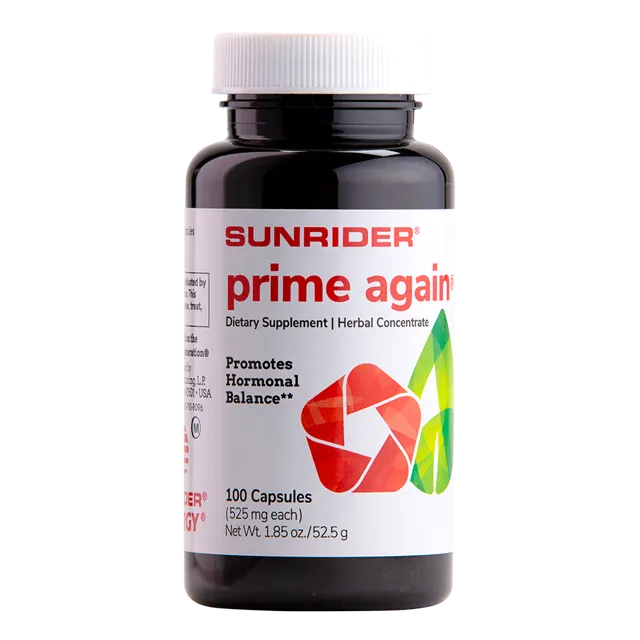
Prime Again®
$51.78Buy now
The longevity supplement market runs on biomarkers, mouse studies and podcast enthusiasm. Here is the same list graded by what has actually been measured in humans, oldest and dullest evidence first.
What has real human evidence
Vitamin D corrects a genuinely common deficiency, and correction is associated with fewer falls and fractures in older adults. Testing beats guessing; megadosing has no benefit and intermittent high doses have shown harm.
Omega-3 fatty acids have the largest evidence base of any supplement here, with cardiovascular risk-marker improvement and mixed but suggestive cognitive data, particularly at intakes most people do not reach from diet.
Creatine monohydrate is the surprise entry on a longevity list. In older adults combining creatine with resistance training, lean mass and strength gains consistently exceed training alone, and muscle mass is one of the strongest predictors of independence in later life. It is also cheap and among the most studied compounds in sports nutrition.
| Supplement | Evidence for ageing outcomes | Verdict |
|---|---|---|
| Vitamin D (if low) | Falls and fracture reduction | Test, then correct |
| Omega-3 | Cardiovascular markers, some cognition | Reasonable |
| Creatine | Muscle and strength in older adults | Strong |
| Protein | Prevents sarcopenia when intake is low | Strong |
| Collagen peptides | Modest skin and joint trials | Modest |
| NMN / NR | Raises NAD+; no clinical endpoint yet | Premature |
| Resveratrol | Early findings largely unreplicated | Skip |
Protein: the supplement most people actually need
Anabolic resistance means older adults require a larger protein dose per meal — around 40 g rather than 25 g — to produce the same muscle protein synthesis response. Appetite typically declines at the same age, which is a bad combination.
This is the least exciting and most impactful intervention on the list. If protein intake is under 1.2 g/kg and there is resistance training in the picture, closing that gap will do more than every exotic compound combined.
Collagen, joints and skin
Randomized trials of hydrolysed collagen peptides at 2.5–10 g daily over 8–12 weeks show small but consistent improvements in skin elasticity and hydration, and reductions in activity-related joint discomfort in athletes and older adults.
Mechanistically, collagen peptides are not deposited intact; the working hypothesis is that specific di- and tripeptides signal fibroblast activity. Treat it as a modest, low-risk addition rather than a structural intervention.
The NAD+ family: promising, unproven
NAD+ declines with age, and NMN and NR both raise circulating NAD+ in human trials. That is where the human story currently stops — the trials measuring clinical ageing outcomes have either not been run or have not shown effects.
The precedent worth remembering is resveratrol, which produced a similar wave of enthusiasm from sirtuin activation data, and whose central findings failed to replicate. Biomarker movement is a reason to keep studying a compound, not a reason to spend $90 a month on it.
The whole-food alternative
The pattern across the failures — beta-carotene, vitamin E, resveratrol — is that isolating a compound at a pharmacological dose behaves differently from eating the food that contains it. The pattern across the successes is that they correct a deficit rather than push a system beyond normal.
That is the practical case for a whole-food herbal base: it is a way of raising the floor across many nutrients at once, in food form, daily, instead of betting on a single molecule with an eight-week biomarker trial behind it.
The three that survive an evidence filter for ageing well: enough protein, collagen support, and a whole-herb formula for the daily foundation.
Collagen Peptide Complex
$63.56Buy nowSunFit® Protein Plus | Pea & Rice Protein
$76.74Buy nowPrime Again®
$51.78Buy now
Frequently asked
- What is the best supplement for longevity?
- For most people: adequate protein and creatine, plus vitamin D if deficient and omega-3 if dietary intake is low. None of these extend lifespan directly; they preserve the muscle and metabolic health that determine healthspan.
- Is NMN worth the money?
- Not yet. It raises NAD+ in humans but no trial has shown a clinical ageing benefit, and the resveratrol precedent argues for patience.
- Do collagen supplements actually work?
- Modestly. Trials at 2.5–10 g daily show small improvements in skin elasticity and joint comfort over 8–12 weeks.
- Can supplements replace a good diet for healthy ageing?
- No. Isolated nutrient trials have repeatedly failed to reproduce the benefits of whole-food dietary patterns, and a few have shown harm.
Put it into practice
Browse whole-food herbal nutrition, clean beauty, and non-toxic home essentials from Sunrider's own farms and labs.
Keep reading
Ready to order?
Everything here ships direct from Sunrider at official pricing, with the manufacturer guarantee — no marketplace reseller in between.
Collagen Peptide Complex — $63.56 · SKU 0216834 · in stock, ships from Sunrider