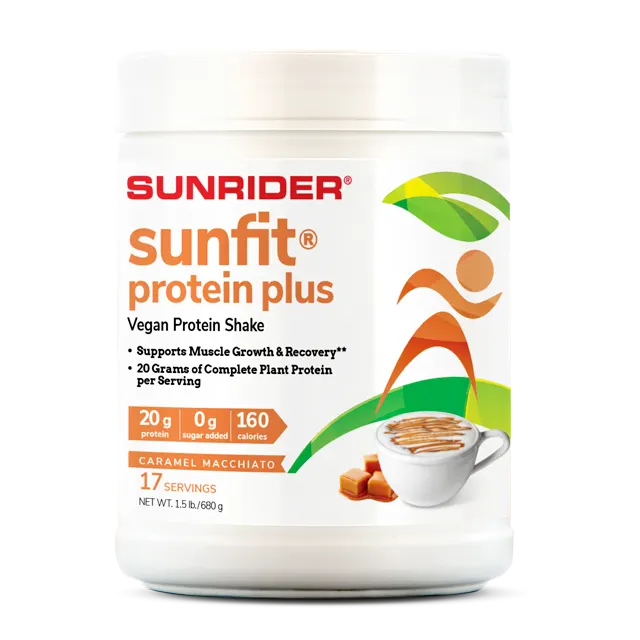

SunFit Protein Plus: Sunrider's Pea and Rice Protein, Reviewed
How much protein is in SunFit Protein Plus?
SunFit Protein Plus is Sunrider's plant protein powder, combining pea and rice protein — a pairing chosen because pea is low in methionine and high in lysine while rice is the reverse, so together they produce a complete amino acid profile comparable to animal protein. It is dairy-free, suits people avoiding whey, and delivers a leucine content sufficient to trigger muscle protein synthesis when serving sizes are adequate. Research on pea-and-rice blends versus whey shows equivalent strength and lean-mass gains over 8–12 week training studies when total protein is matched. Use one to two servings daily to top up dietary protein toward the 1.6–2.2 g/kg range, ideally near training.
- Pea plus rice = complete amino acid profile
- Dairy-free; no whey, no lactose
- Matched-protein trials show results equal to whey
- Best used to close the gap toward 1.6–2.2 g/kg daily protein
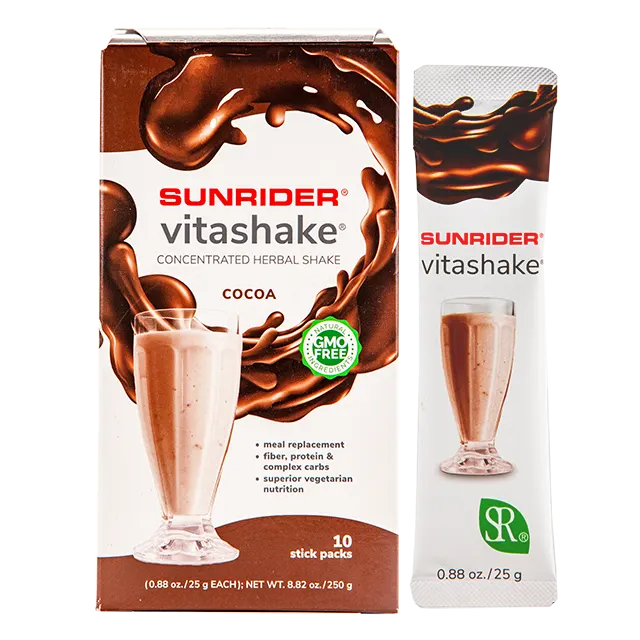
- Blends with VitaShake or NuPlus for a full meal
Is SunFit Protein Plus a complete protein?
Yes. Pea protein is high in lysine and low in methionine; rice protein is the opposite. Combined, they cover the full essential amino acid spectrum, which is why the pea-rice pairing is the standard in serious plant protein formulation.
Is plant protein as good as whey for building muscle?
When total protein and leucine are matched, yes. Randomized 8–12 week training trials comparing rice or pea-rice protein against whey have found equivalent gains in strength and lean mass.
When should you take SunFit Protein Plus?
Any time it helps you reach your daily protein target — total daily intake matters more than timing. Near training is a sensible default because it makes the habit automatic.
Can you mix SunFit Protein Plus with NuPlus?
Yes, and it is the most common combination. NuPlus supplies the whole-food base and fibre; SunFit supplies the protein. Together they make a genuine meal rather than a snack.
The standard muscle-support stack from the Sunrider range: protein for the tissue, a whole-food base for everything else, and a fruit-and-grain mix to make it taste like breakfast.
Browse the full catalog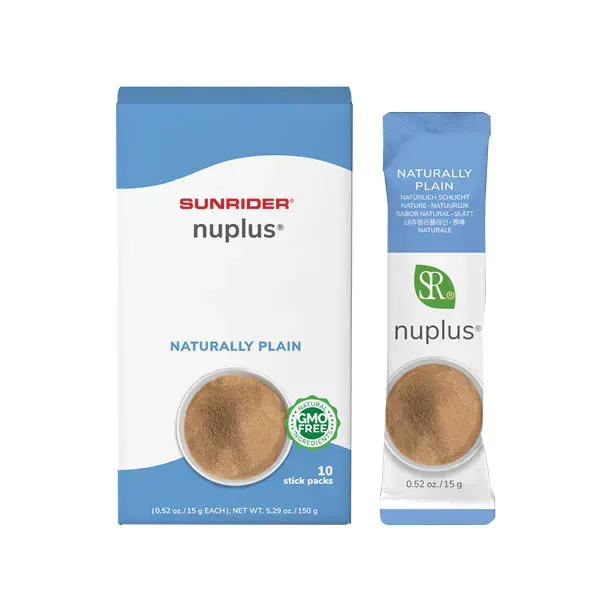
Plant protein used to mean accepting a compromise. Pea-and-rice blends ended that argument about a decade ago, and SunFit Protein Plus is Sunrider's version of the formulation that settled it.
Why pea and rice together
Single plant proteins have amino acid gaps. Pea protein is rich in lysine but limited in methionine; rice protein is rich in methionine but limited in lysine. Combined in the right ratio, the gaps cancel and the blend delivers a complete essential amino acid profile.
This matters for muscle because leucine content, not just total grams, determines whether a serving triggers muscle protein synthesis. A well-formulated pea-rice blend at an adequate serving size clears that threshold.
Plant protein vs whey, honestly
Whey has a slight edge in leucine density and digestion speed. In practice, 8–12 week resistance training trials comparing rice or pea-rice protein against whey at matched total protein find no meaningful difference in strength or lean-mass outcomes.
The real advantages here are practical: no lactose, no dairy, easier digestion for a lot of people, and a lower environmental footprint. The real cost is that plant protein needs slightly larger servings to match whey's leucine.
How to use it
Use it to close the gap between what you eat and your target of 1.6–2.2 g of protein per kg of body weight. For most people that is one to two servings a day on top of ordinary meals.
Near training is the convenient default, but total daily intake is what drives adaptation — the timing window is far wider than supplement marketing suggests. Blending with NuPlus or VitaShake turns it into a complete meal rather than a standalone shake.
- 1–2 servings daily to top up dietary protein
- Blend with NuPlus for a whole-food meal
- Blend with VitaShake for a fruit-forward breakfast
- Water for a lighter shake, plant milk for a richer one
Who it suits
Anyone avoiding dairy, anyone whose digestion dislikes whey, plant-based eaters, and older adults trying to hit higher per-meal protein targets against a declining appetite.
If you tolerate whey well and shop purely on cost per gram of protein, commodity whey is cheaper. The case for this product is the formulation philosophy and the rest of the range it fits into.
The standard muscle-support stack from the Sunrider range: protein for the tissue, a whole-food base for everything else, and a fruit-and-grain mix to make it taste like breakfast.
Browse the full catalogFrequently asked
- How much protein is in SunFit Protein Plus?
- Check the current label on the official product page for exact grams per serving — formulations and serving sizes are updated periodically.
- Is SunFit Protein Plus vegan?
- It is a pea and rice plant protein blend with no dairy or whey.
- Can you build muscle on plant protein alone?
- Yes. Matched-protein training trials show equivalent strength and lean-mass gains between pea-rice blends and whey.
- How many scoops per day should I take?
- Enough to reach 1.6–2.2 g of protein per kg of body weight in total. For most people that is one to two servings alongside normal meals.
Put it into practice
Browse whole-food herbal nutrition, clean beauty, and non-toxic home essentials from Sunrider's own farms and labs.
Keep reading
Sunrider VitaShake: What It Is and How It Compares to a Protein Shake
Sunrider ProductsSunrider NuPlus: What It Is, What's In It, and How to Use It
NutritionPlant-Based Protein vs Whey: Which Actually Works Better?
NutritionHow Much Protein Should You Eat a Day? A Practical Guide by Body Weight and Goal
Ready to order?
Everything here ships direct from Sunrider at official pricing, with the manufacturer guarantee — no marketplace reseller in between.
SunFit® Protein Plus | Pea & Rice Protein — $76.74 · SKU 0154134 · in stock, ships from Sunrider